Don’t you think that shopping malls have a ‘sameness’ about them? Our local Westfield probably has a similar layout to those in New Jersey or the Netherlands or the other 32 sites worldwide. One shop that has opened in the mall near us is, as you have guessed, for removing tattoos. Why have them done in the first place only to have them erased later? There’s no one solution to that question, but we’ll try to give some answers later.
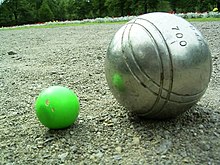
When Madame and I lived in what one family member ungraciously called the ‘arse end’ of France we played in the annual village petanque competition. One particularly sultry day we were drawn against two strapping farm workers who we were clearly not going to beat. One had a snake crawling up his leg, disappearing up his shorts, to who knows where? (apologies to the owner of the leg on Wikimedia Commons)
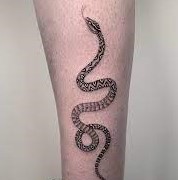
It was unusual that there actually was a tattoo in our small village. This corner of the country is predominately Catholic, with a capital C. In the revised Catholic edition of the Bible it states ‘You shall not make any cuttings in your flesh……….or tattoo any marks upon you: I am the Lord.’ (Leviticus 19:28). Taken in context it really refers to markings that expressed devotion to a false god.

On this occasion Pope Francis said people should not fear tattoos and that young priests could use them as a talking point to encourage dialogue. No more guilt there then.
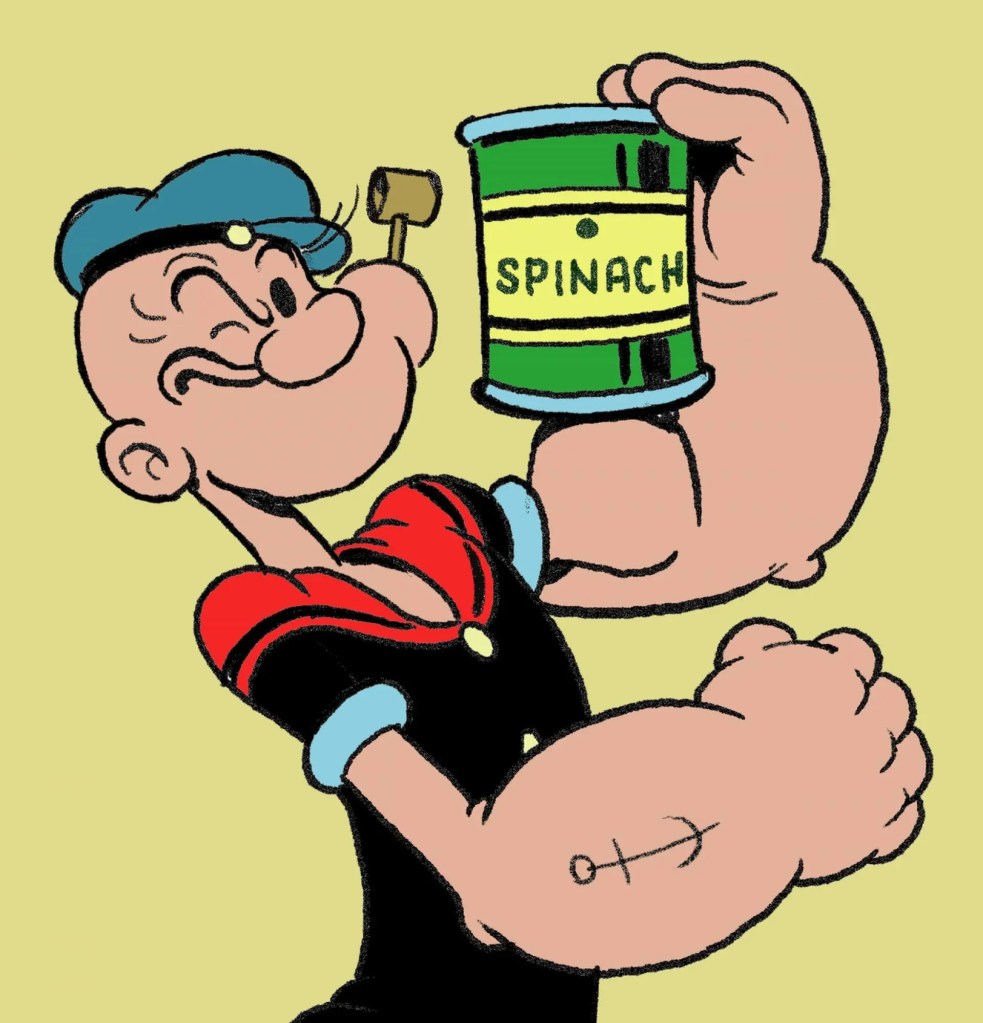
Jeremy Clarkson, never one to suppress his opinions, said that he couldn’t see the point of a tattoo at all and that, despite Sir Winston Churchill’s mother having a snake round her wrist, there was a time when a tattoo would demonstrate that you had been in the nick or the navy, but now pretty much everyone has one.
Remember him?
Whatever your views on the subject it has to be admitted that some tattoos really are works of astonishing skill; take this one from the British artist Stewart Robson. Looks like the real thing.

History tells us that the lower deck adopted the tattoo craze when Captain Cook arrived in the Pacific Islands where the practice had existed for centuries. The word tattoo is Polynesian and, so we’re told, is the sound made by the little wooden hammers that the islanders use to puncture the skin. (“tatau” in Samoa and “tatu” in Tahiti). Well, the sailors apparently asked if they could be decorated like that and carried their tattoos back home. It wasn’t just the lower deck that adopted the practice. Admiral Lord Charles Beresford, according to legend, had a tattoo of the local hunt in full cry down his back, with the fox disappearing up the appropriate orifice. True or false? Hopefully only Lady Charles would have been able to verify that.

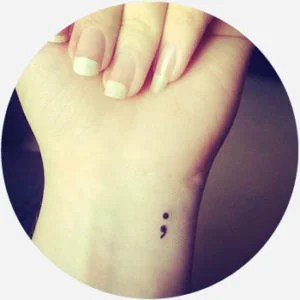
This tattoo of a semi-colon is in a class of its own; a simple explanation is that the wearer has overcome some hardship in their life,
Humans have marked their bodies with tattoos for thousands of years. These permanent designs—sometimes plain, sometimes elaborate, always personal—have served as ornaments, status symbols, declarations of love and signs of religious beliefs. It was a common practice among Roman slave owners to tattoo them so that they could be recognized quickly in the event of escape.

Photo credit: Metropolitan Museum of Art
Cleopatra was reputedly tattooed with henna, made from the leaves of the flowering henna plant, or Egyptian privet. It has been found on mummies, carbon dated to as far back as 3351 B.C.
If you had been walking in the Alps along the Austrian Italian border 5,000 years ago you might have met this man. Ötzi, also called the Iceman and named after the Ötzal Alps where he was found, had a total of 61 tattoos! Each group of tattoos is simply a set of horizontal or vertical lines. Microscopic examination of samples collected from these tattoos revealed that they were created from a mixture of fireplace ash or soot. They were made with a needle piercing the skin and then rubbing the pigment into it.

First Nations’ communities here in Australia historically didn’t use tattoos. Their rock art, which is abundant, provides a communal language and history. A Biripi man from the north NSW coast says “Scarification was used by my people instead; we used to mark the arms and chest with small nicks to show levels of education achieved and pass on food knowledge.”

This kangaroo below is now Australia’s oldest known, intact rock painting and has been dated to between 17,500 and 17,100 old. Such accuracy is astounding.

The Māori people of New Zealand did however practise tattooing. Amongst these were facial designs worn to indicate lineage, social position and status within the tribe. This is interesting in that they, also, originally came from the Pacific Islands as did the First Peoples.
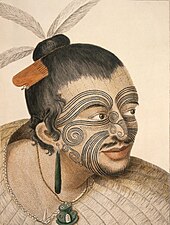
A chief with tattoos seen by Cook (drawn by Sydney Parkinson 1769 and engraved by Thomas Chambers
So, how do you set about erasing a tattoo that is no longer needed? Prior to the development of laser tattoo removal methods an acid was applied that removed the top layers of skin reaching as deep as the layer in which the ink resides. Rubbing the skin with salt along with skin grafts, applying tannic acid, garlic and pigeon dung were other methods. Doesn’t that put you off?

Along comes laser treatment, but does it work?
Does laser tattoo removal really work? Clinics that use this method say yes, lasers can remove tattoos completely. In fact, lasers are the safest, most effective tool to remove unwanted tattoos. However, you may need to receive several sessions before the tattoo is removed completely and it will cost you. There is no shortage of clinics that are prepared to treat you, at a price.
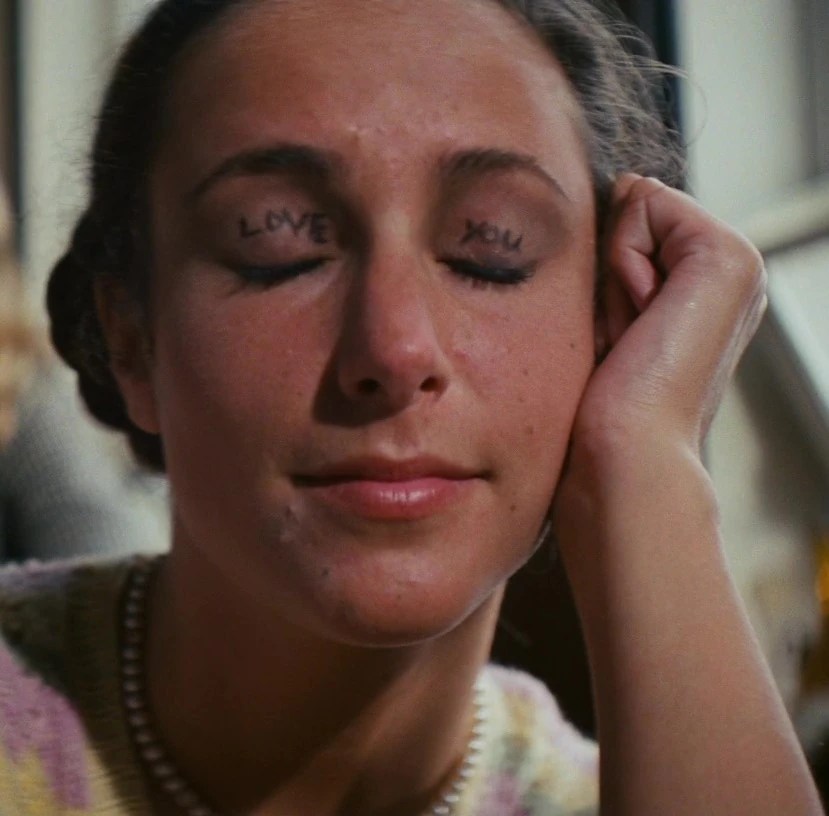
Beware though; there are parts of your body where it is painful and/or dangerous to have tattoos.
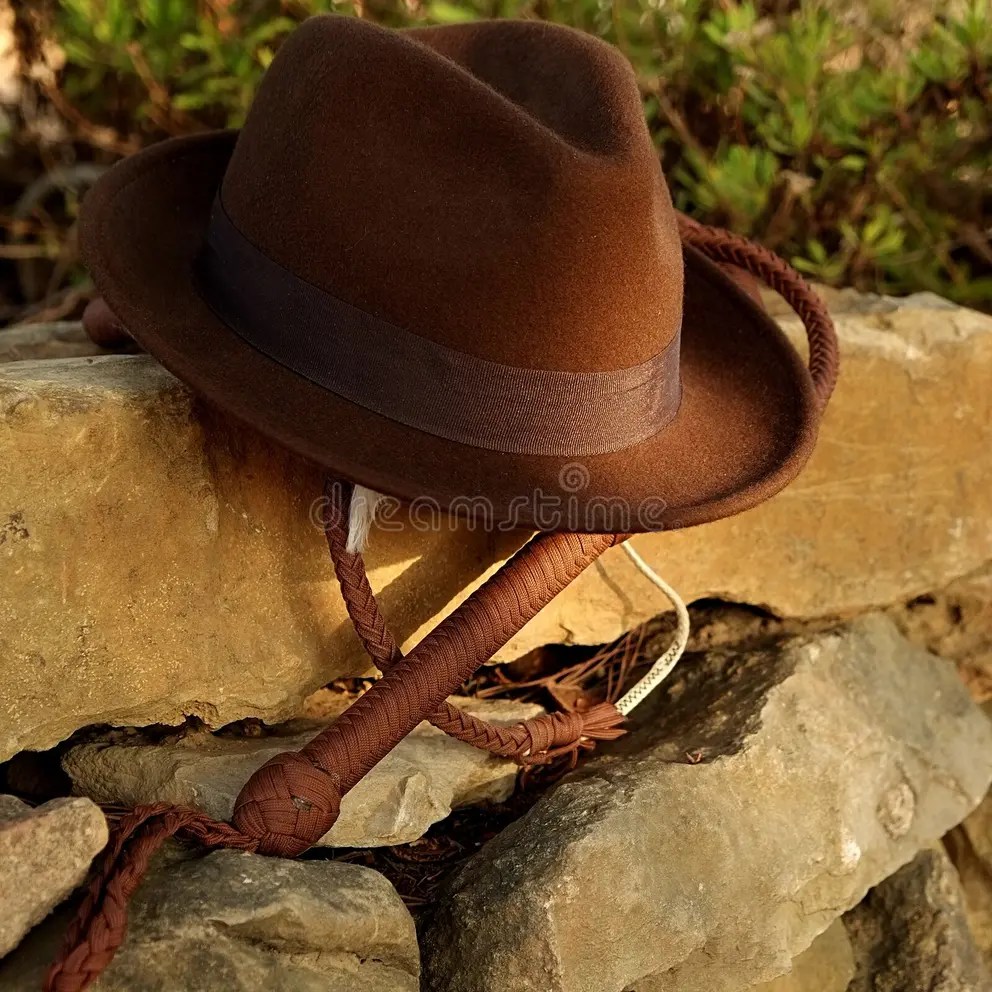
I’ll spare you the first, for obvious reasons. The second clue is in Raiders of the Lost Ark.
Well, Madame and I are off to see the latest Harrison Ford film at our local cinema.
 Another Down Under diary