Do you remember, in the early days of Covid, when you had to keep a distance of two metres from the person in front of you in a queue? Exactly five years ago to the day, blog post 21. Antisocial distancing was published on 12 December (freefromlockdown.com). It came about after seeing a UFO (actually a PLU) in the hair of the customer 2m in front. What is a PLU?
Courtesy: dreamstime
Have you taken a good bite out of an apple only to find yourself chewing a piece of plastic? Welcome to the world of the PLUs. In the trade these are known as ‘price look-up’ labels. They feature a four or five digit code that helps cashiers identify each item and its price. The stickers are helpful for you, the consumer, as they can tell you the type of produce (in case you didn’t know!) but also the variety and the growing method (organic starts with a 9, or conventional starts with 4). All clear so far?
This is the humble rhubarb. The PLU code for rhubarb is not a standard code, as it is rarely sold in bulk . It is usually found with a 4-digit code like 4141, if it is conventional, or 84141 if it is organic, according to my source. Hang on though, what has happened to organic starting with a 9? An expert on codes explained that 8 was originally added to show that the item was genetically modified. But, there are not many GMO fruits and vegetables, and their method of production does not affect their price, so there was no need for a specific label. That clears that one up.
You, the consumer, are more concerned about your health and protecting the environment than previous generations. Currently, the vast majority of stickers are made with a thin layer of plastic, which means they can better withstand transit and packaging. However, vinyl and other thin plastic films are not compostable or biodegradable, and you should remove the sticker before composting. The newly acquired residents of our Bunnings worm farm cannot digest them so they come out as they went it.
The year Madame and I left France that country became the first to enact laws banning all plastic packaging on fruits and vegetables. Soft plastics, such as you find in supermarkets, are a big problem on their own. Does your local supermarket have a recycling point? Probably not. Most end up being incinerated, the minority recycled into lower value products such as bin bags or carrier bags.
One suspects that there is a huge gap between what we as consumers are told about recycling and the reality. There are limited ways in which soft plastics can be re-used. Anyway, we digress. Have you heard of the IFPS? Probably not. It’s the………
The PLU codes have been in use for 35 years and over 1,400 have been assigned. The codes are administered by the IFPS which is responsible for deciding which codes are assigned to which foods. In the unlikely event of your wanting to look at the codes for all commodities you can download them from their website.
Courtesy IFPS
So, next time you accidentally swallow a sticker don’t panic! Medical experts say it will go through your body normally, just like chewing gum. While you wouldn’t want to make a habit of eating them regularly, they’re not going to make you sick (Sticker Shop.UK). Had to check out this fact, but it seems most chewing gum on sale Down Under is made from a variety of oil-based synthetic rubbers – similar to the material used in car tyres! Repeat, don’t make a habit of eating either just because you can!
Courtesy PIXABAY
Readers from 50 countries, from Albania to Vietnam, have logged into this blog over the past 5 years.
Read more posts at freefromlockdown.com or Down Under Diary.
When under threat this animal curls into a tight ball. The tough, overlapping scales shield it against the sharp teeth and claws of these predators, but are defenceless against humans. These slow-moving, gentle creatures are seriously threatened by poaching and have become one of the most highly traded mammals on eastern markets. Any idea what it is? Perhaps this will help…………..
According to one Asian newspaper the authorities had identified at least 200 people who contracted the virus in 2019 and who came under medical surveillance; the earliest case being 17 November, weeks before the emergence of the new virus was officially announced. So, six years ago today, this animal became the most high-profile/notorious mammal on the planet. It’s the pangolin. Candidates for the origin of the outbreak of Covid-19 were this harmless creature and/or bats. Initially the finger of blame was pointed at the wildlife trade in the wet market of Wuhan in China, but an investigation by a team from Oxford found that both bats and pangolins had an alibi – neither was there! The WHO requested that China share more detailed information about the animals sold at markets in Wuhan, and information on work done and biosafety conditions at laboratories in Wuhan.
A ‘wet’ market
The constantly wet floors due to the melting of ice used to keep food from spoiling, the washing of meat and seafood stalls and the spraying of fresh produce give the market its name. We visited this one at La Cruz in Mexico, which was an example of an organised, clean and well regulated market. Not all are like this above.
If sanitation standards are not maintained, wet markets can spread disease. Those that carry live animals and wildlife are at especially high risk. Because of the openness, newly introduced animals may come in direct contact with traders and customers, or to other animals which they would never interact with in the wild. This may allow for some animals to act as intermediate hosts, helping a disease spread to humans.
Caged marmots above a cage containing hedgehogs
Madame and I were living in SW France when reports started to come through about this new coronavirus. It’s doubtful if any countries escaped Covid, but some are reluctant to produce figures. The first three cases reported in France, in January 2020, had a history of residence in, or travel to, China but without any exposure to wet markets, sick people or live animals. France was hit hard and fast and was unprepared. Moreover, just before the pandemic, the public health system had been affected by months long protests and strikes by hospital personnel demanding more resources.
The church and its pastor, Samuel Peterschmitt (Church Life)
A key event in the spread of the disease across France was the annual assembly of the Christian Open Door Church between 17 and 24 February 2020 in Mulhouse, a city in the north-east near the Swiss and German borders. This was attended by about 2,500 people, at least half of whom are believed to have contracted the virus. ‘We Prayed for Healing. GodBrought a Pandemic.’ (Christianity Today December 2020). However, a report suggested that the impact of the church meeting had been overstated, and that the virus had been present in the region since November 2019, and that the Church was “only one link in the chain of virus transmission”. Whatever the truth, once lockdown was imminent near panic set in. Those who could escape did so…….
…..by car….
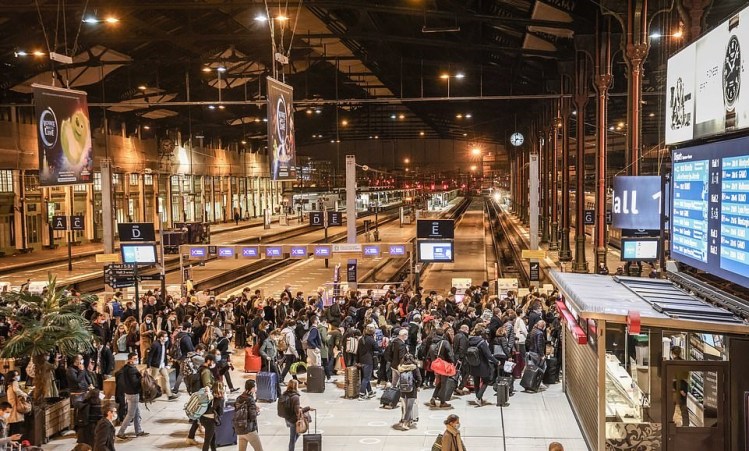
….or train.
Paris
So, all these people fleeing from Paris, where did they go? To their holiday homes? The Atlantic coast was popular, as was the south west of the country where we lived. Inevitably they brought Covid with them and were not popular locally. Meanwhile, diagonally across France, Paris with its banlieus (suburbs) was badly affected. Confined to their apartments residents were affected emotionally as well as physically.
Densely populated suburb near Paris
The hospitals in the Alsace region in the north east were soon overstretched. The French military used its airborne hospital, for the first time for civilians, taking patients from Mulhouse to Bordeaux. Ambulances, helicopters and aircraft carried the most serious cases to hospitals which had the medication and equipment necessary to treat serious them.
Mulhouse to Bordeaux flight March 27 2020
Mulhouse is close to the German border
German military flight Strasbourg to Ulm
But most were carried in specially adapted trains.
Courtesy SNCF
Ouest France
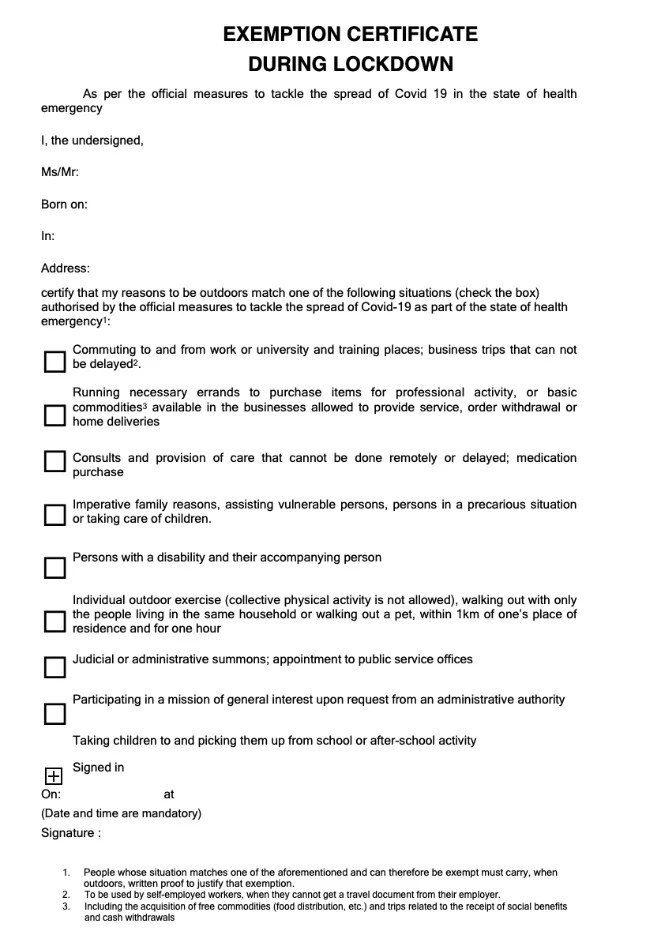
The first, of three, lockdowns for us started on 17 March and continued for two months. Living in the country during this period had its advantages as exercise was limited to a kilometre from the house. We could leave the garden and walk down to the river or up into the hills. At all times we had to carry ‘une attestation’, which we had to take with us on the rare occasions we were allowed out, i.e. shopping. Translation…….
One Sunday, at the start of the lockdown, we went for a longer walk, down to the river then climbed up to Marc’s farm and back, about 4 km. No rules were broken because at no point were we more than one kilometre from the house (well, that’s how we interpreted it). It meant that the last twenty metres to our house were by road. Almost made the front gate when a police car materialised from nowhere. The two gendarmes didn’t look old enough to carry firearms and our attestation wasn’t valid as the date was in pencil (trying to save the ink cartridge). Fortunately, it was midday and France closes for two hours for lunch, so they didn’t linger.
Outside the house
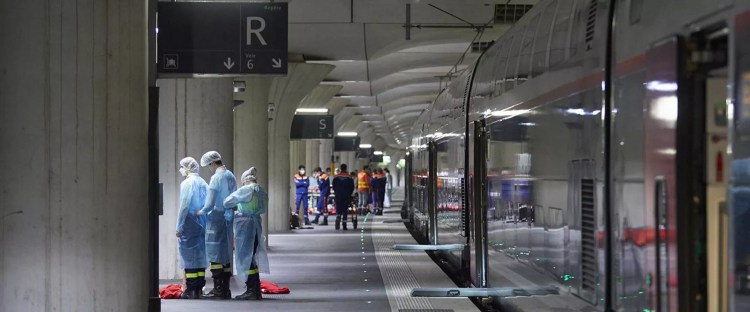
Covid-19 created conditions that France had never seen before. For the first time in its history, the SNCF (Société nationale des chemins de fer français), France’s state-owned railway operator, carried intensive care patients to hospitals in high-speed TGVs. On 26 March the first train left Paris for Angers. Behind the scenes, specialists had spent 48 hours preparing the train.
The future? We all want to move on from COVID-19 and, with many of us vaccinated, you might be wondering if it’s time to let those pandemic worries go for good. But the virus continues to evolve and the likelihood of it disappearing is low. It is expected to become an endemic disease, similar to the flu, meaning it will likely become a constant but manageable presence in the population.
On 11 November Madame and I would stand with the residents in our village in France. Monsieur le Maire, or the senior military person, would make a brief speech and the names of all those killed in action in WW1 were read out. After each name we would reply ‘mort pour la France’. In a village of less than 500 the number of dead was 32.
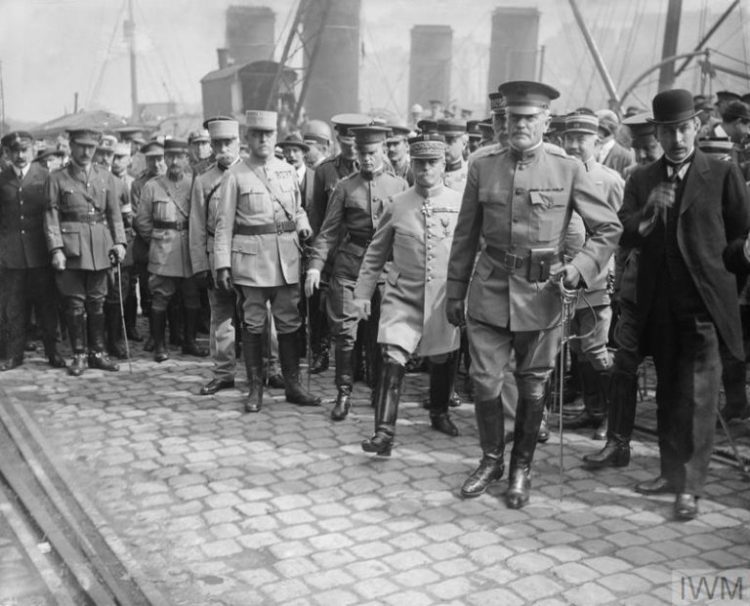
That war did not end at 11.00 hours, on day 11 of the 11th month. An armistice is a ceasefire, not an official end to war. The original one was for a period of 36 days, after which it had to be renewed. This was done four times before the Treaty of Versailles was signed. General John Pershing, Commander of the American Expeditionary Force, did not approve of the armistice. Consequently he gave no instructions to his commanders to suspend any new offensive action during the remaining hours. (Gov.UK)
General Pershing landing at Boulogne, 13 June 1917.
‘The war that will end war’ was the title of the 1914 book by HG Wells. This developed into the satiric phrase “the war to end all wars”. The terms of the armistice alone sowed the seeds for WW2. Albert Einstein, on the other hand, is famous for his quote, ” I don’t know with what weapons World War III will be fought, but World War IV will be fought with sticks and stones.” This was a warning that a future major war could be so destructive that it would cause the collapse of civilization, forcing humanity to regress to a primitive state.
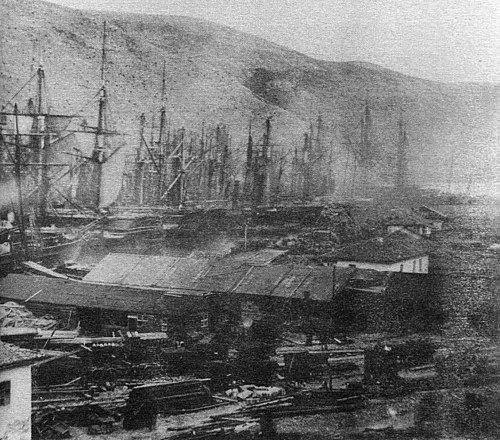
Military trains were primarily used to carry supplies and ammunition to the front but, well before WW1, the army realised the need to adapt trains to carry the wounded. You have to go back to the Crimean War (1853), which was one of the bloodiest wars in the 19th century, for the first recorded train.
The railway at Balaclava where the first train left from
As a result of having to deal with massive numbers of casualties, many medical innovations came out of the this war. Florence Nightingale gained fame by revolutionizing the nursing profession. A promotional postcard was produced by Reckitt and Sons commemorating her shortly after her death.
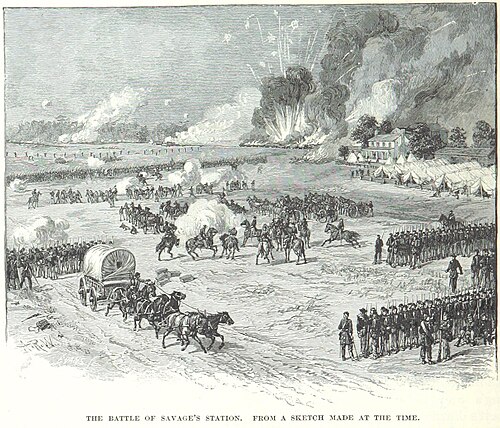
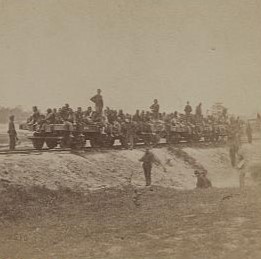
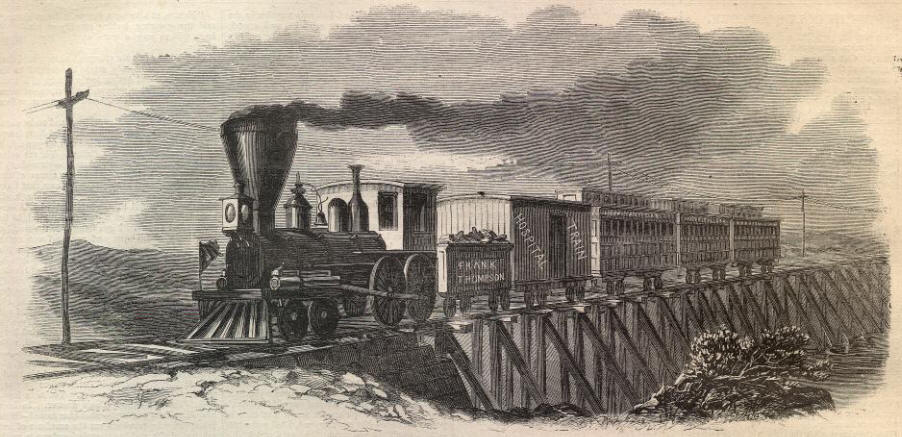
The idea of using hospital trains would find its way to America during the Civil War. In 1861, when the Civil War began, there were more than 30,000 miles of railroad tracks in the North, and only 8,000 miles in the South. While the North had a clear advantage, the South began to use its railroad system almost immediately for transferring troops and supplies. It was the use of the railroad by the Confederate Army that gave them a tactical victory at First Bull Run/Manassas. It wasn’t until January 1862 that President Lincoln authorized the U.S. government to take control of the railroads in the North. The first priority was to ship army rations, followed by forage for the horses, ammunition, and then medical supplies. The army quickly realized that they could make use of all the empty trains that were returning from the battlefields to transport the wounded. (Source; National Museum of Civil War Medicine).
Savage’s Station
These first hospital trains were nothing more than regular freight trains. Patients were placed in boxcars or baggage cars on wooden floors covered with straw, pine boughs, and blankets. Katherine Wormeley, a Sanitary Commission volunteer, described the wounded as being “put inside the covered cars—close, windowless boxes, sometimes with a little straw or a blanket to lie on, oftener without. They arrive a festering mass of dead and living together.” In addition, the jarring of the train during the journey over uneven rails, combined with the jerking of the cars when stopping and starting, was an excruciating experience for the wounded. (National Museum of Civil War Museum). Because of the stressful conditions that the soldiers were exposed to, the early hospital trains would only transport those patients who were not seriously wounded and could tolerate the taxing journey. The authorities were quick to realise what improvements were necessary.
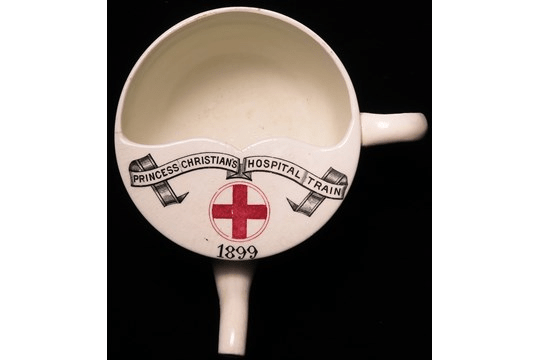
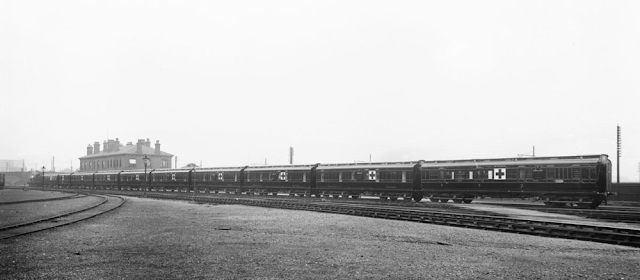
The Second Boer War (the first resulted in a Boer victory and eventual independence of the South African Republic) saw a big improvement in the care of the wounded. 75,000 returned home sick or wounded. The British Red Cross voted a sum of money for the building and equipping of a complete hospital train of seven carriages. It was completed in Birmingham in ten weeks. An arrangement of pulleys in the roof enabled each bed with a patient on it to be raised to the proper level by one man. Each carriage was provided with a stove, a lavatory and a closet. No. 7 contained the kitchen and pantry, including berths for two cooks and a compartment between for the guard. It was named after Princess Christian who was largely responsible for raising the money. How the train was moved to South Africa is not recorded, but presumably by sea.
Courtesy of Lockdales
Which brings us back to the appalling casualties of WWI, who we remember today. The Princess Christian train was so successful that the Birmingham factory, which built the original, was asked to produce another with yet more improvements. The comfort of the wounded was naturally the first priority. Every hospital train was to be capable of carrying four hundred patients, with full accommodation for doctors, nurses and orderlies, as well as kitchens and storerooms. 400 may seem generous, but it was a drop in the ocean when you consider the thousands of casualties daily.
The allied casualties on the first day of the Battle of the Somme were distressing; approximately 38,000 wounded and 20,000 killed (day one only).
The poet, Robert Graves, was badly wounded at the battle of the Somme in 1916 by a shell fragment that went through his lung and he was mistakenly reported as dead.
Excerpt from Good-Bye to All That, an autobiography by Robert Graves
“That evening, the R.A.M.C. orderlies dared not lift me from the stretcher to a hospital train bunk, for fear of it starting haemorrhage in the lung.
So they laid the stretcher above it, with the handles resting on the head-rail and foot-rail.
I had now been on the same stretcher for five days. I remember the journey as a nightmare.”
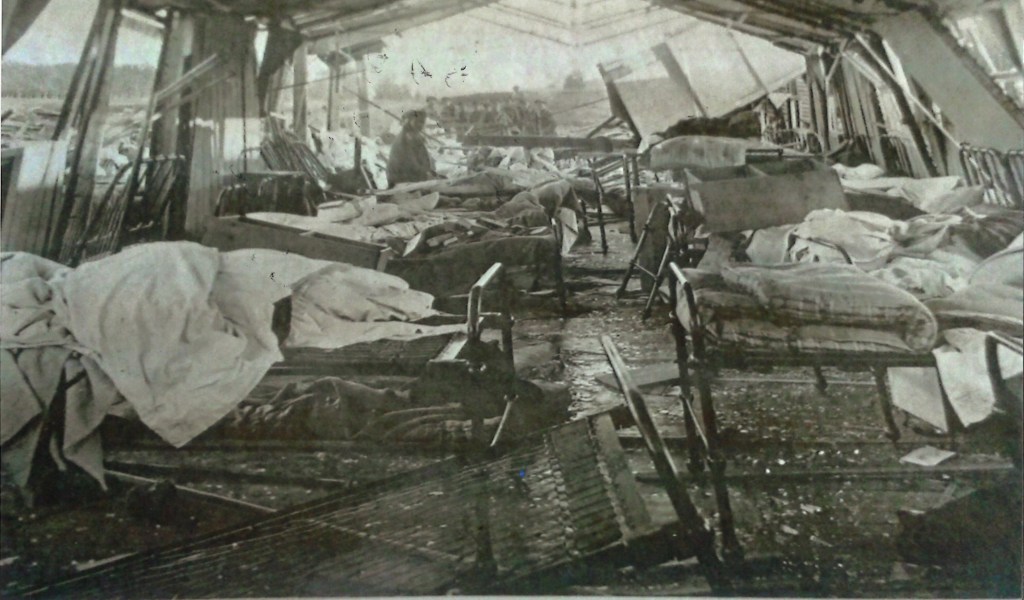
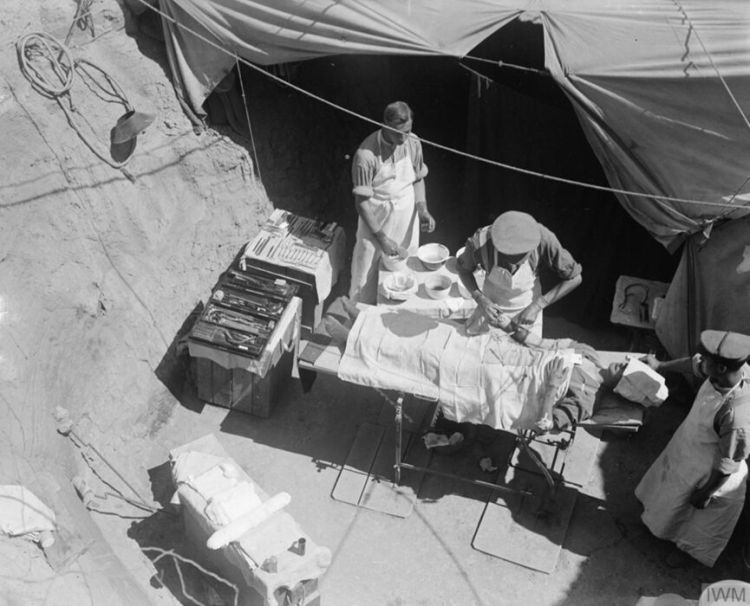
Field ‘hospital’ 1916
The Australian Imperial Force lost 60,000 men and 152,000 were wounded. To help deal with so many injured and sick soldiers, the Australian Army Medical Corps provided doctors and nurses at its Casualty Clearing Sections in France.
5th Australian Field Ambulance, Ypres 1917
The Gallipoli campaign was a World War1 military operation in which Allied forces landed on the Gallipoli peninsula in April 1915 with the aim of capturing the Dardanelles strait and weakening the Ottoman Empire. The campaign became a bloody and costly stalemate, ending in a military defeat for the Allies, who were forced to evacuate in early 1916. Approximately 60,000 Australians fought at Gallipoli; of these around 8000 were killed and 18,000 injured.
Australian field hospital
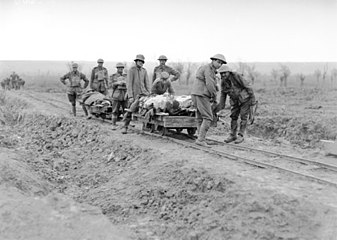
Unarmed, and often under fire, stretcher bearers from the Australian Army Medical Corps carried the seriously wounded away from the front lines to aid posts. Casualties were evacuated by sea via barges, steam launches and hospital ships to temporary facilities on Greek islands and Egypt.
jingoistic: characterized by extreme patriotism especially in the form of aggressive foreign policy.
The initial “spirit of 1914″ saw widespread jingoistic support, with people rushing to enlist and patriotic groups forming, though the initial enthusiasm waned as the war dragged on. In Britain one of the most popular sayings of 1914 was that the war would be ‘over by Christmas’. ”You will be home before the autumn leaves” is famously attributed to Kaiser Wilhelm II, who supposedly said it to his troops as they went off to war. The prevailing feeling was that the war would be short and finished by the end of the year. It is hard now to comprehend the naivety of those in positions of power.
Propaganda poster by unknown artist
Headed by Kaiser Wilhelm’s famed quotation: “Ich kenne keine Parteien mehr, ich kenne nur noch Deutsche!” (“I no longer know parties, I only know Germans”), the wartime propaganda poster above allegedly shows a cross section of German society. As portrayed here it clearly lacks ‘the lower orders.’ The one below paints a different picture.
Wilhelm II surrounded by German workers. Deutsches Historisches Museum
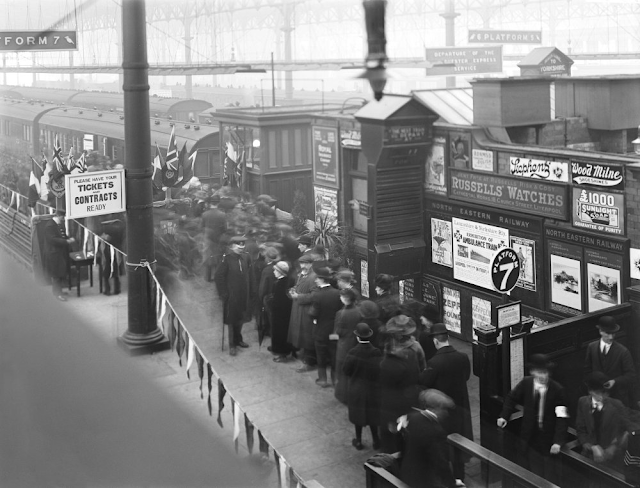
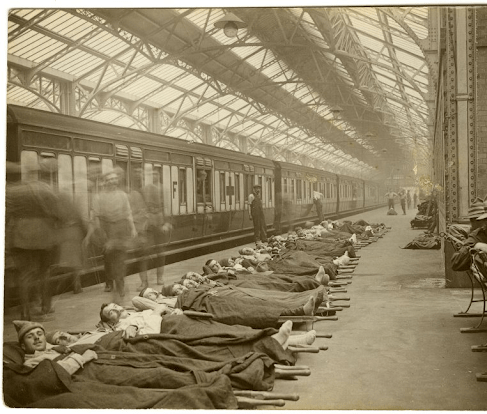
Censorship, of newspapers, films and letters, was an indispensable war weapon: its task was to keep the people in an atmosphere of utter ignorance and unshaken confidence in the authorities. Censorship was thus authorized in Britain by the Defence of the Realm Act (DORA). Allies and enemies had their own methods. The reality of the trenches had to be sanitized by all means; there was no place for the injured and the dead; but, as the war dragged on, it was impossible to hide the casualties arriving back home.
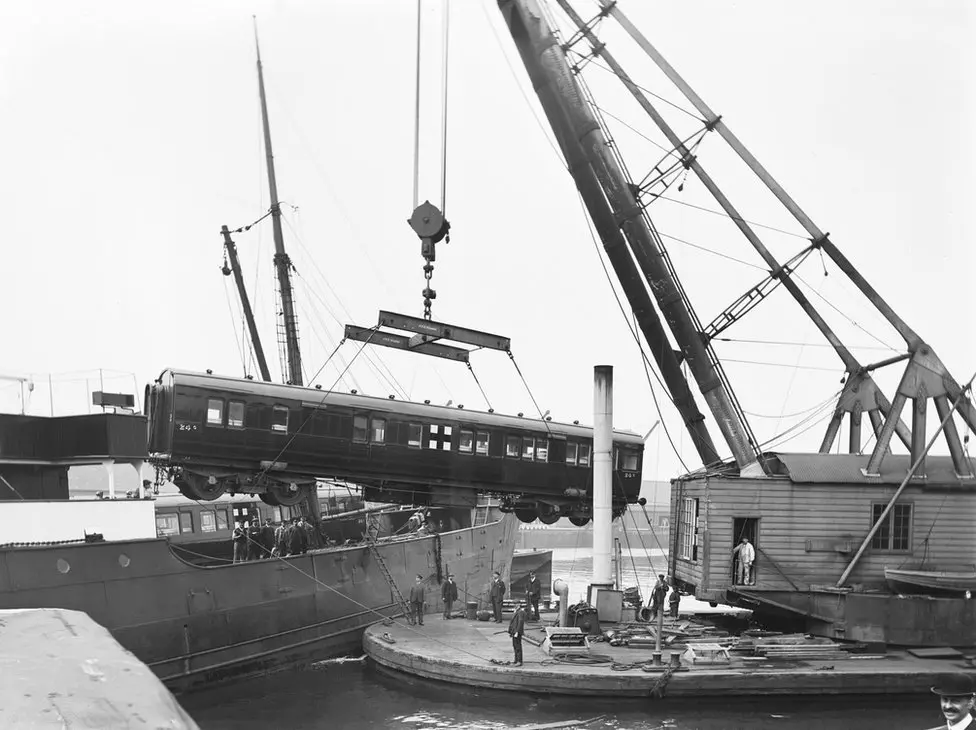
Liverpool Station
Wounded from the train waiting to be taken to hospital
While the war on the ground was grinding to a halt, that in the air was just starting. The first aerial threat came from German airships called Zeppelins. At 11,000 feet, Zeppelins could turn off their engines, drifting silently to carry out surprise attacks. Successive damaging attacks caused public outcry and government embarrassment.
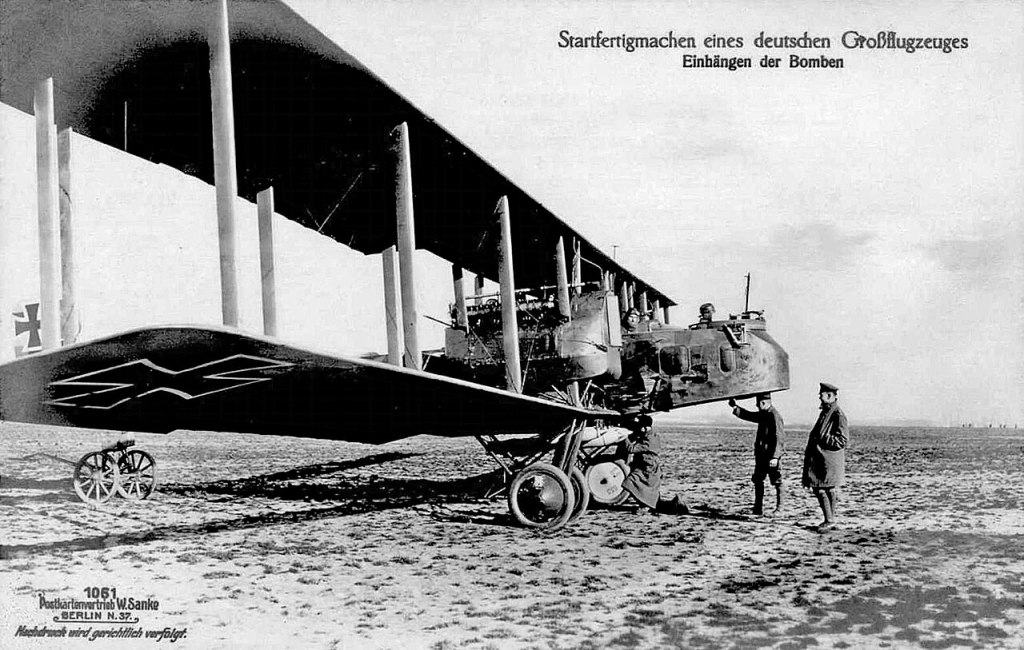
In June 1917 the first air raid on Britain by huge Gotha bomber aircraft took place. To meet this latest threat, new tactics in aerial combat were developed. Wireless communication, coupled with sophisticated observation and reporting of enemy movements, enabled fighters to be despatched to meet the bombers. Anti-aircraft fire and barrage balloons also forced enemy aircraft higher, compromising their bombing accuracy. By May 1918, over 60 Gothas had been destroyed and the aerial threat to Britain was effectively over.
English casualties from WWI Gotha bomber raids were estimated at approximately 4,000 killed or injured. Targeted on the civilian population, rather than military sites, these aerial attacks emphasised the random quality of warfare. Out of the blue, anyone living in a town or port within range of bombers and airships could lose their life. In terms of night raids, German bombers needed fine weather and moonlight to spot their targets so, when flying conditions were good, people living in populous, central London districts sought refuge in the Underground. By autumn 1917, 86 Tube stations had been made available as public shelters with a capacity of a quarter of a million.
The Underworld: Taking cover during a London air raid, by Walter Bayes, 1918
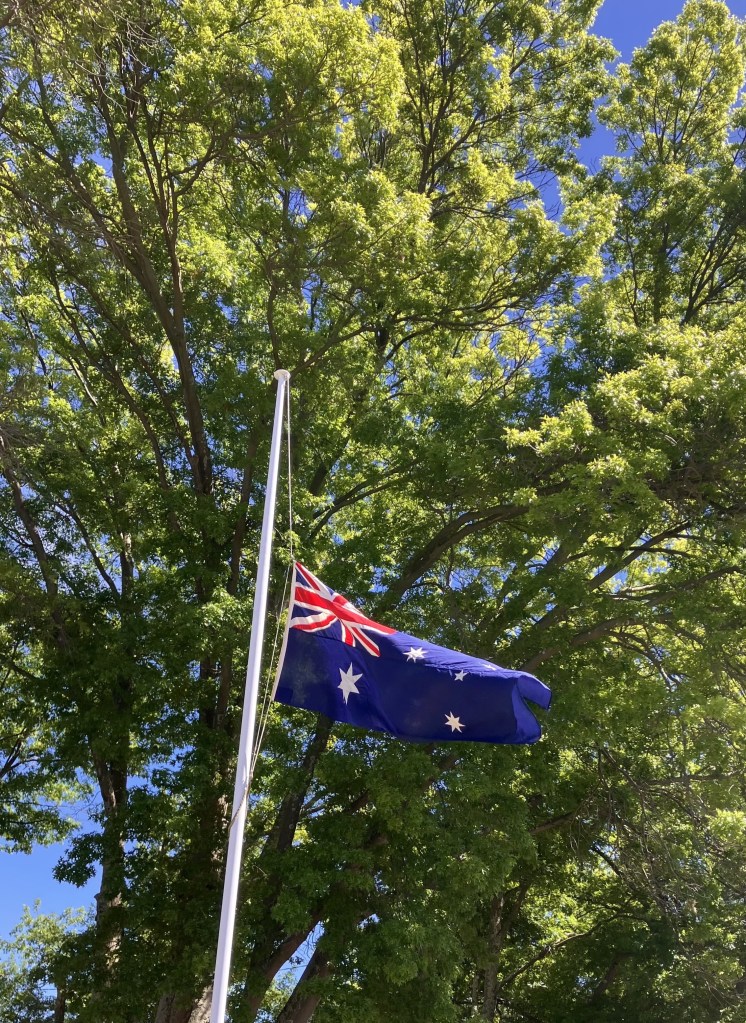
Today we attended the Remembrance Day ceremony in our local town Down Under. Despite being 17,400 km (about 10,800 miles) from our French village the format was the same, only the names and flag were different.
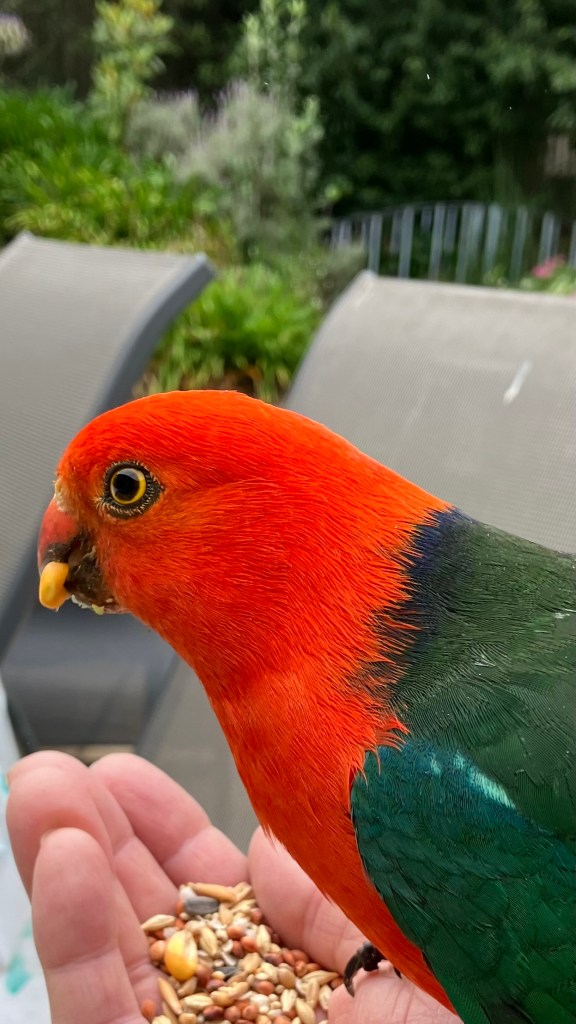
Newly arrived Down Under we encouraged the exotic, colourful birds to feed in the garden. It didn’t take long to make friends.
But, it was bad mistake…………….
……………we had never met a bird quite like this left-handed/footed, sulphur crested cockatoo. When it and its accomplices started to peck the garden furniture it was time for action. They’ve been known to strip the wood from window frames down to the glass. A child’s water pistol helps deter them (as recommended by the local council) but they are persistent and won’t disappear overnight; and don’t think your waste bins are secure.
Courtesy New Scientist
Even large buildings are not immune from their attention. Polystyrene is a favourite.
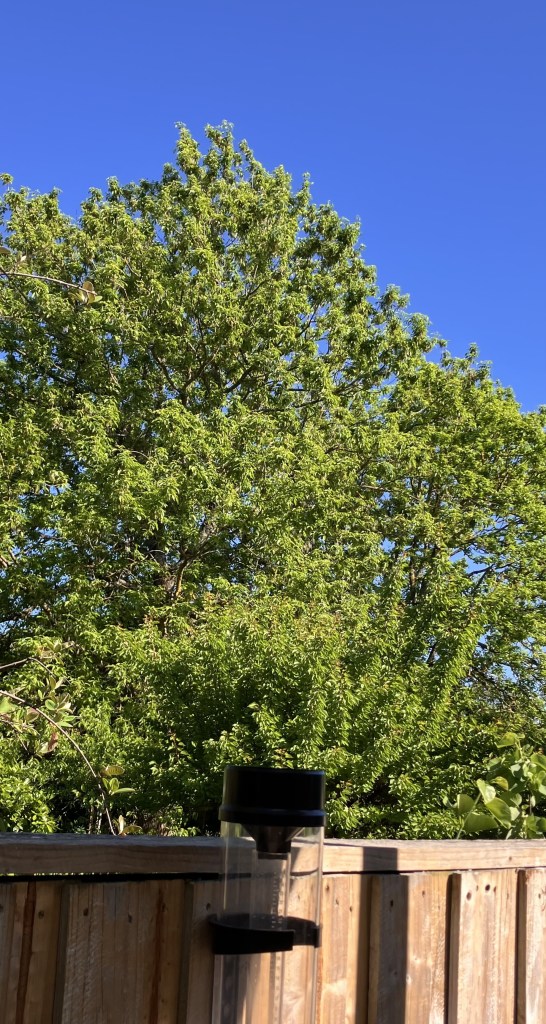
Today, October 16 2025 started with clear blue skies. The rain gauge was empty. For several days during this (Australian) winter it has been full to overflowing. The tree overlooking us was without its usual cockatoo lookout.
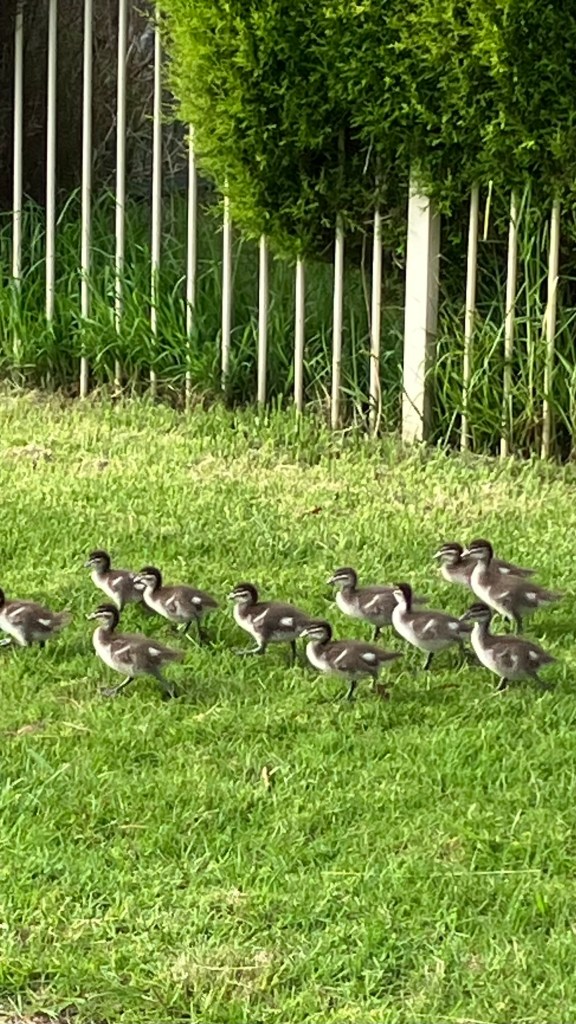
It seemed safe to scatter some bird seed in the house for the rosellas, who usually arrive for breakfast, but who are probably nesting. The first flock of twelve ducklings has arrived.
Unlike the British mallards these wood ducks nest in the trees. Within a day or so of hatching (practically as soon as their down is dry) the tiny ducklings are tipped out of the nest by their parents. They then float to the ground. Most seem to survive. Back to the bird house……
…….where the cockatoo appeared out of nowhere. It looked at me with its round, marble like eye, taunting me to act. It took three squirts of the water pistol before it decided to call it a day.
Today is a red letter day for bird enthusiasts. The Guardian newspaper runs an annual poll to find the most popular bird. It’s run in collaboration with BirdLife Australia, which works tirelessly to save the most threatened wild bird species. The 2025 winner is……………the Tawny frogmouth.
The actual voting process seems complicated and even the organisers admit that it can be on partisan (i.e. state) lines. The final choice seems unremarkable with so much colour available. Frogmouths are nocturnal birds and, as night hunters, resemble owls. They rest on branches during the day and are remarkable in how they avoid observation or detection. Try identifying these four, emulating broken branches.
Courtesy: Garrytre Own work
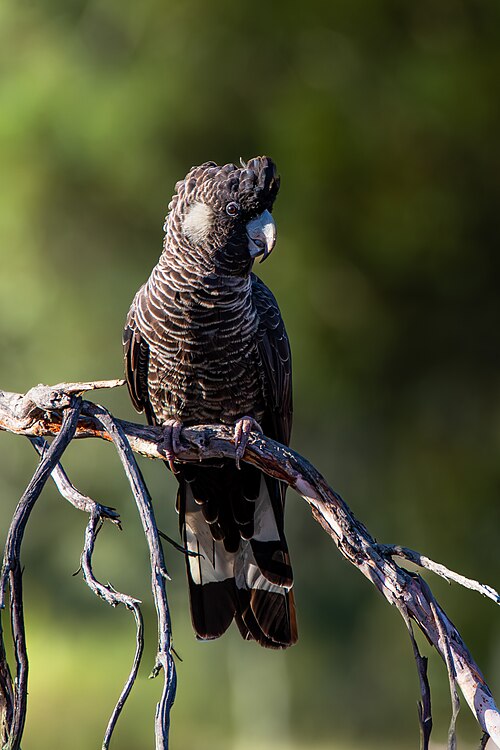
In second place was Baudin’s black cockatoo, named after the French explorer. This seems a surprising choice as so few bird enthusiasts will have seen one, endemic as they are to the far south west of the country. Found nowhere else in the world it is listed as Critically Endangered with maybe 5,000 surviving, but that’s a guesstimate.
Wikipedia
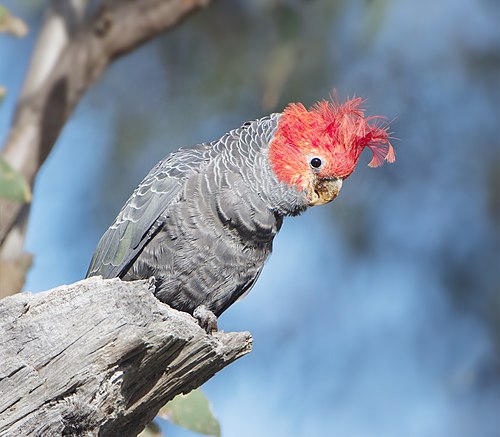
We could carry on, but non-bird lovers may well switch off. It’s worth a look at number three, if only for its name. The charismatic gang-gang cockatoo, another endangered species, is known for its call, which is unforgettable! It sounds like a rusty, creaky hinge with a rising inflection!
Wikipedia
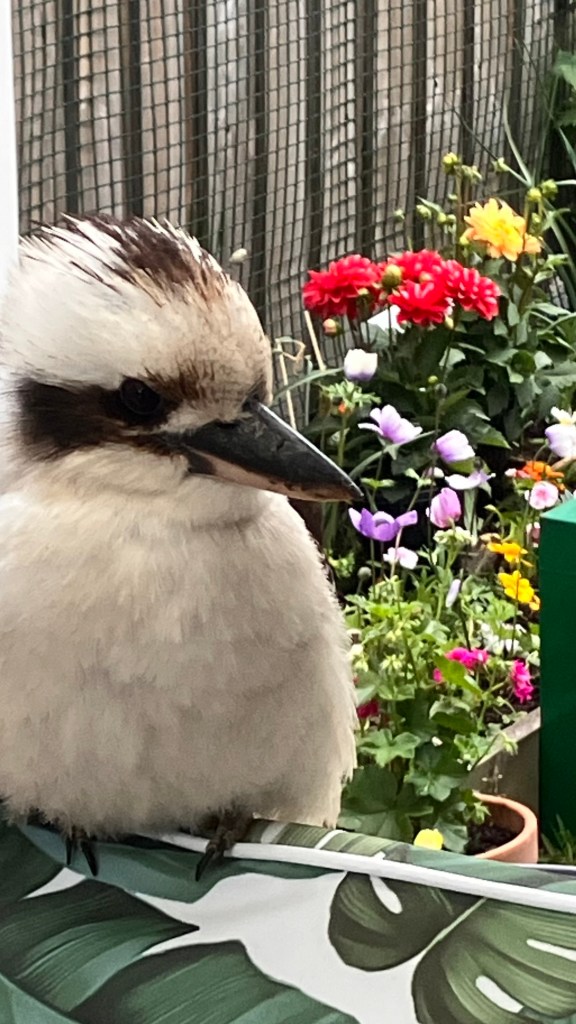
After a day of playing hide and seek with a raucous cockatoo it was an agreeable diversion when a young, fluffy kookaburra paid us an evening visit and seemed reluctant to go.
Did you read the Mr. Men, or Little Miss, books when younger, or tell the stories now to a formative generation? With their colourful bodies and distinctive personalities the Mr. Men were an instant hit when published in 1971. They were a godsend during our car journeys from the UK to Brittany in the summer. Translated into myriad languages, the title of the German version has a certain je ne sais quoi about it.
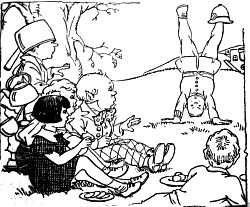
The people walk upon their heads, The sea is made of sand, The children go to school by night, In Topsy-Turvy Land.
The front-door step is at the back, You’re walking when you stand, You wear your hat upon your feet, In Topsy-Turvy Land.
(Courtesy of H.E. Wilkinson)
Readers are transported to an eccentric world where everything is turned upside down and inside out. Wilkinson invites us to explore the fantastical landscape of Topsy-turvy Land, where the ordinary becomes extraordinary and the rules of reality are happily demolished.
Enid Blyton captured the imagination of children, and still does after a century! In her tale of The Magic Faraway Tree children can climb to the top and go through a hole in the cloud to a different land each time, Topsy Turvy of course being one. Last year it was announced that the story would be filmed, adapted into the modern day. Apparently it will ‘tap into 21st century children’s post-pandemic anxiety’, whatever that means!
Courtesy Library of Congress
This is set, curiously, in ‘Arabia’, the origin of Islam. How did it arrive here? Well, Samuel Zwemer was an American missionary whose efforts at sharing the Christian gospel were, unsurprisingly, not always successful. Topsy-Turvy Land was the first of two illustrated children’s books written by him and his wife. The work aimed to attract young adults to missionary work. There is no order to the chapters and “you can begin to read it anywhere.”
This sign, which looks as if it could have been displayed during the French Revolution, (Citizens rise up…) appeared on the roundabout at the entrance to our town when the Gilets jaunes were active before Covid. The “yellow vests” blocked roads and caused traffic chaos on Saturdays. The demonstrations stemmed from anger over rising diesel fuel prices and taxes. The town’s two gendarmes joined them for coffee.
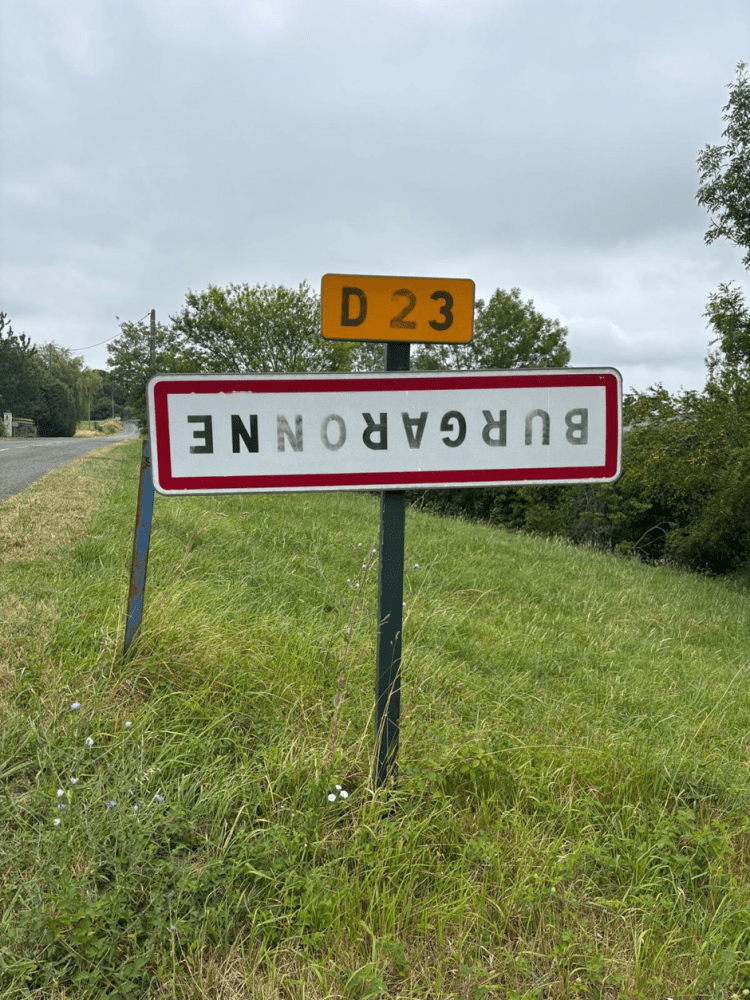
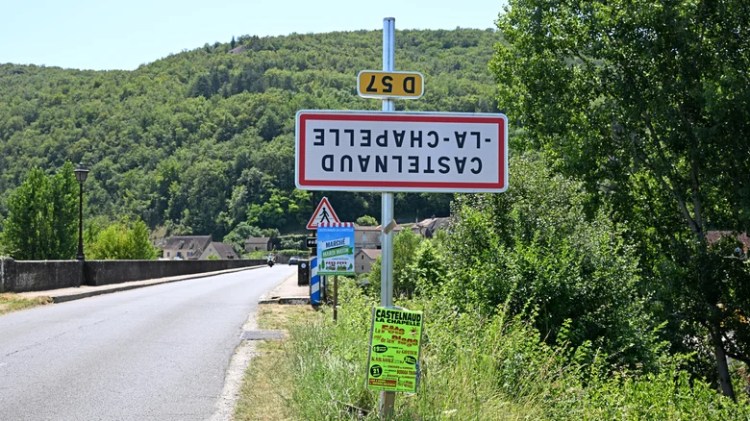
The world has turned topsy-turvy say angry French farmers. In a campaign to draw attention to what they say is their increasingly precarious way of life they have turned thousands of road signs upside down.
Courtesy of Jane Price
The head of one farmers’ union said “Where we come from, if someone tells us to do one thing one day and then the opposite the next, we say we’re walking on our heads. That’s where this idea came from.” Farmers’ specific grievances, cost of farm diesel, late payment of EU subsidies, bureaucracy and competition from imports are not new. Madame and I know, from having lived in rural France, that life can be tough for farmers, especially for those who live on their own.
Dave Pennells
This is a mild reaction from the farmers; it’s not always so.
Olivier Chassignole—AFP/Getty Images
Last year French farmers protested in Paris, vowing to block roads and drive tractors to the presidential palace, because of low prices, high taxes, and red tape. Inconvenient yes, but not as obnoxious as dumping manure in front of government buildings in Toulouse.
On a less contentious note a musical period drama came to our cinemas 25 years ago featuring Jim Broadbent and Allan Corduner – Topsyturveydom. It’s a witty and entertaining dramatisation of the partnership between Gilbert and Sullivan and focusing on The Mikado, which made their fame and fortune. In it the Prime Minister of Topsyturveydom describes his country as a land “where everything is conducted on principles the very reverse of those” in England. The people are born elderly and grow younger until they become infants.
The other night, from cares exempt,
I slept—and what d’you think I dreamt?
I dreamt that somehow I had come
To dwell in Topsy-Turveydom!—
Where babies, much to their surprise,
Are born astonishingly wise;
With every Science on their lips, And Art at all their fingertips…….
…..and so on!
In about the same era there was a craze for topsy turvy masks. These have a face one way and, when turned upside down, hey presto, you have a different one. The origin of these is shrouded in mystery. Some claim they were linked to the Roman god Janus, who is depicted as having two faces; one facing the past and one facing the future and has given his name to the expression ‘two-faced’. Maybe……..
Did you know that there is a galaxy out there somewhere called NGC 1313, otherwise known as Topsy Turvy? It has a diameter of about 50,000 light years.
In medieval England salt was rare and expensive; the nobility sat at the high table and their inferior guests at lower trestles. Salt was placed on the top table so that only those of superior rank had access to it. Salt was used by the ancient Egyptians for the process of mummification and war was narrowly avoided between Mexico and the United States at El Paso because of it, so…..
…..what does salt mean to you, apart from sprinkling it on your food?
The diner at Summer Bay?
Angelina Jolie on the run?
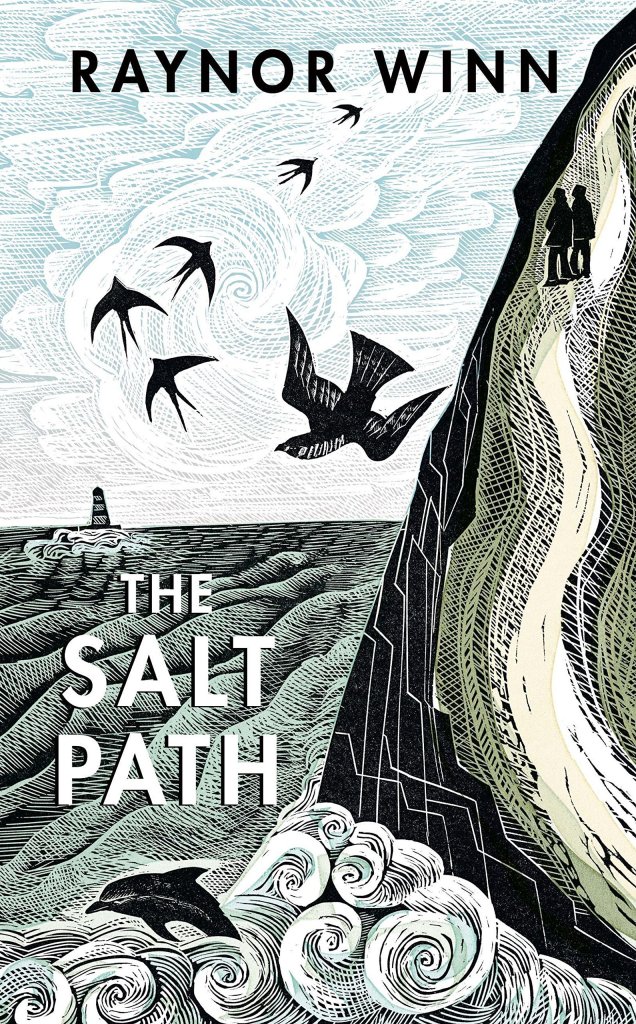
The Salt Path by Raynor Winn?
Where does it all come from? Marine scientists estimate that there are about 50 quintillion kilograms of salt in the ocean (that’s the number 50 with 18 zeros after it!).
One of our favourite campsites in France was at LaTurballe on the west coast near the wide beaches of La Baule and the Guérande salt marshes.
One holiday we bought a bag of salt to take home. It was eye-wateringly expensive but we were told that the fleur de sel de Guérande was the ‘crème de la crème’ of salt. Harvested entirely by hand by workers (Paludiers) – a practice which has remained largely unchanged for centuries – only the youngest crystals from the very top layer of the salt ponds are taken by barely skimming the surface, so only minute quantities are harvested. Coincidentally, friends of ours have the surname ‘Saltern’ meaning a set of pools in which seawater is left to evaporate to make salt.
There is evidence that salt has been refined for at least 6,000 years. It was essential for preserving meat and fish, curing hides, treating wounds and used as currency; but not everyone lived near the sea, nor had the ability to extract salt from seawater.
Lake Bunbumga (Wakefield R.C.)
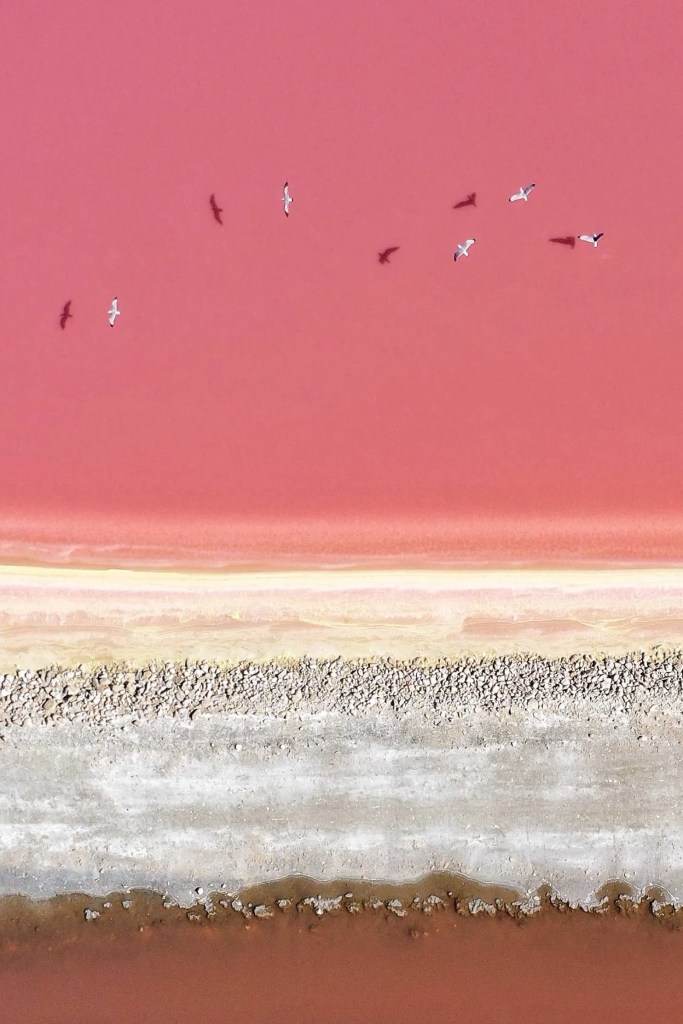
Down Under, the aboriginal peoples harvested salt from, among others, the ‘pink lakes’ region of SW Australia.
Madame and I visited Uluru (Ayers Rock), a well-known outcrop in the centre of Australia which is sacred to the Aboriginal people of the area. It’s also near Lake Amadeus. Its surface is usually coated in a dry salt crust due to the desert conditions of the area.
It’s not just Down Under that salt was present in spiritual ceremonies. Salt is deeply ingrained in the rituals of many indigenous cultures around the world and used for blessings and purification rites in various beliefs…….
Elisha pouring salt into the waters of Jericho (2 Kings 2:19-21)
…..but how did primitive peoples, worldwide, obtain salt if they lived far from the sea or lakes? The answer lies in the treatment of certain plants and trees, not large-scale production admittedly, but enough to enhance the flavour of food.
The picturesque town of Salies-de-Béarn is a short distance from where we lived in the pays Basque and is characterised by its distinctive architecture – sloping roofs on picturesque half-timbered houses. Its name might give you a clue as to its popularity. While not a large-scale mining operation, Salies-de-Béarn has a long history of salt extraction from natural springs, earning it the nickname “City of Salt”. Madame was a frequent visitor to its famed thermal baths.
It was Madame who reminded me of the legend of a wild boar ( un sanglier) which was wounded by medieval hunters and hid in muddy marshland. He was found dead months later, but preserved and covered in salt crystals. It was then that people realised that under the village was a spring of salt water.
If you don’t live near a spa you could install a salt water hot tub – very trendy these days.
Courtesy Adobe Stock
The tonnes of salt mined worldwide annually evidently do not come entirely from the oceans and lakes, nor, fortunately, does it end up on our plates. The western world eats more salt than it needs. Try reading Salt Wars, ‘The Battle Over the Biggest Killer in the American Diet’, by Michael Jacobson. It makes disturbing reading.
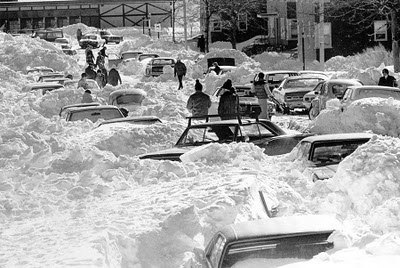
So, where does all the salt go? Flying into Chicago’s O’Hare Airport one (mild) winter we were impressed by the rows of snow clearing vehicles lining the runways. ORD literature claims they have over 250 pieces of world-class snow removal and advanced weather forecasting equipment.
Chicago Blizzard of 1967
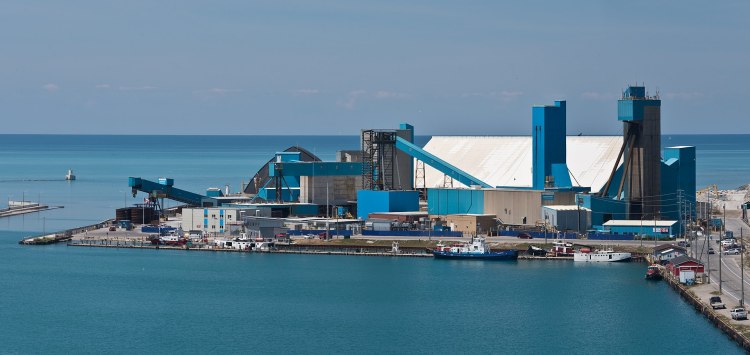
While the airport primarily uses de-icing fluids it devours a large quantity of road salt, up to 8,000 tons annually. This has to come from somewhere. Fortuitously, across the waters and over the border in Ontario, 550m below Lake Huron, is the Sifto Salt Mine, the largest in the world.
Wikipedia
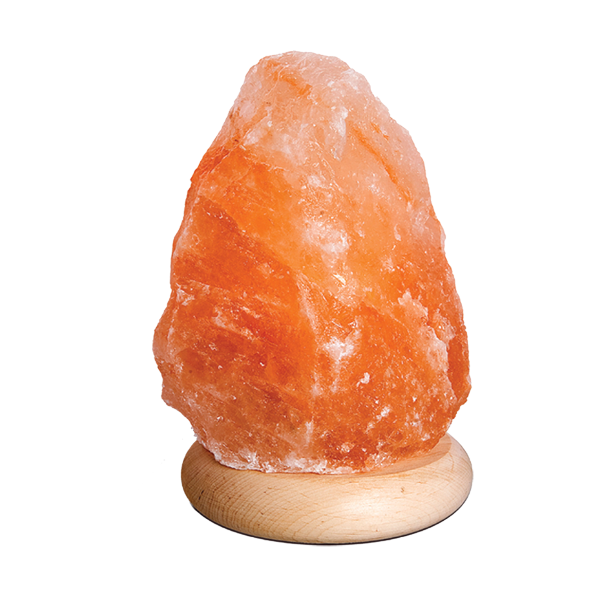
Have you purchased a Himalayan salt lamp? Placing a light bulb inside large chunks of this pink salt gives it a distinctive look and emits a warming glow. Some people believe they provide health benefits, but these are disputed. Many people choose to buy the lamps simply because they like the way they look and enjoy the ambiance the pink light creates in their homes.
The violin is just a taster for the spectacular salt carvings that lie beneath the surface of the Wieliczka Salt Mine museum in Poland.
Leonardo da Vinci would be proud of this 1928 sculpture of ‘The Last Supper’……..
Courtesy Antoni Wdrodek
….but first prize must surely go to this nine metre long banqueting table made entirely from one ton of salt collected from the Murray River in Australia……
Courtesy Ken and Julia Yonetani.
……would need a few boxes though!
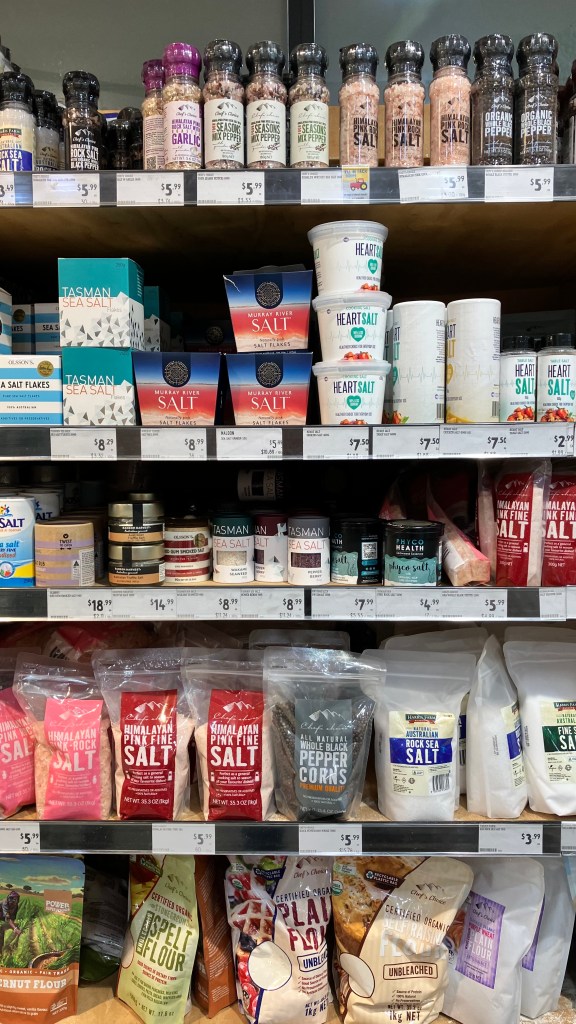
Well, it’s time to come to the surface and take a look at this product nearer home. Madam was keen to purchase ‘pink salt’. In recent years, Himalayan salt has become a popular item on our supermarket shelves here. Its attractive pink hue and claims of health benefits are appealing, but there seems to be little scientific evidence to justify these assertions.
Courtesy IndiaMART
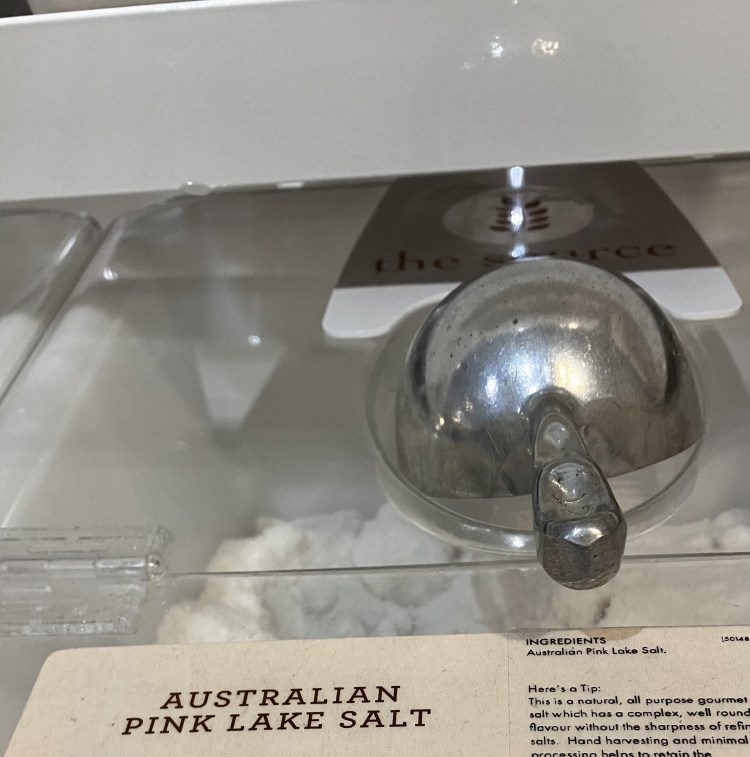
Our local store, which sells a vast range of products, from rolled oats to Pinto beans, stocks three varieties of salt:
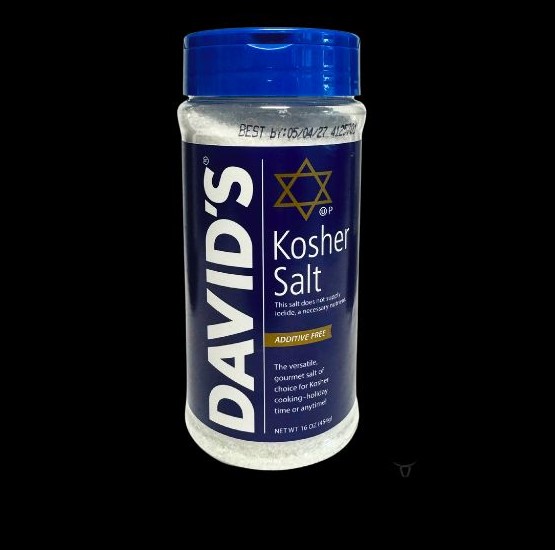
The first two are familiar but where do you find Celtic salt? Not where you might think. Known Down Under as Sel Gris it is harvested primarily at……. Guérande. Kosher certified salt is also marketed from Guérande, but this one is mined and packed in the US.
David’s Kosher Salt
This one, in our larder, is confusing; it’s not sure where the contents originated!
There was a time, when offered tea, that the choice was between Indian or Chinese. Now there is a bewildering choice. Salt has gone the same way.
We keep a bag of rough salt as a deterrent. In wet weather slugs find their way into the letterbox and nibble the post. A layer of salt discourages them; the drawback is that salt becomes damp and spoils the mail. You can’t win!
Most likely the soap you use will contain salt. The chemistry involved is too complicated for this post!
MAGALI CHESNEL/SOLENT NEWS
Flamingos fly over pink salt flats in the Camargue region of southern France
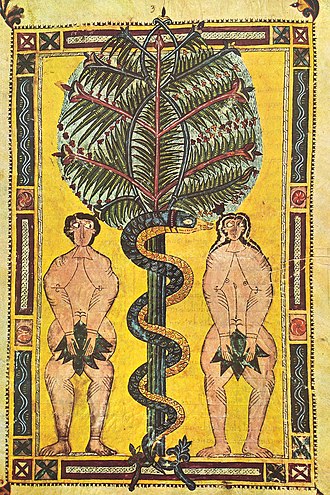
Unless you really do live in the back of beyond you will never be far from a sign informing, cautioning – forbidding even. Verbal warnings have been given to us, from toddler to dotage, since humans could communicate. One of the earliest on record was that given to Adam “…..you must not eat from the tree of the knowledge of good and evil…..” which Eve then did, egged on by the serpent. You may, or may not, subscribe to this story and theology has no place in this post. This is about everyday signs, mostly common, sometimes bizarre; but the story of Adam and Eve has, over the centuries, generated a wealth of works of art.
An illustrated manuscript circa 940
From a Church in Ethiopia
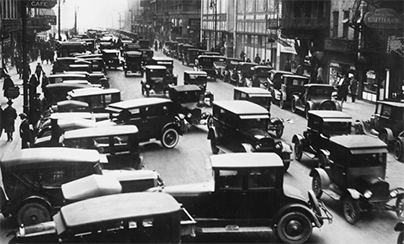
Motoring has developed beyond recognition since The Locomotive Act of 1865 in England. This became known as the Red Flag Act, thanks to its extraordinary stipulation that any self-propelled road vehicle had to be preceded by a person walking at least 60 yards ahead, carrying a red flag. America passed a similar, short lived, law.
It wasn’t long before road signs were introduced to cope with the rapid increase in traffic. You can see why:
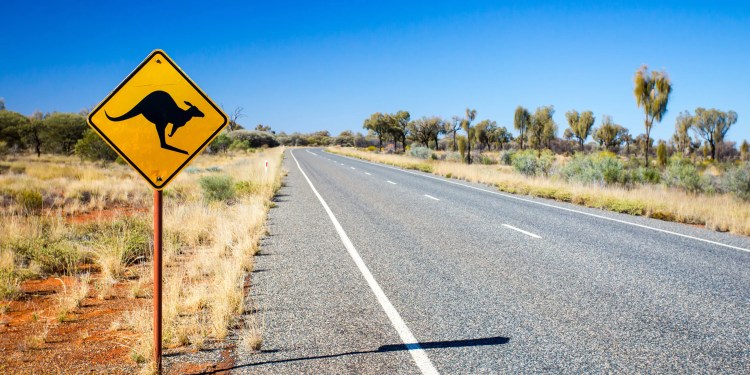
Kangaroo signs are common in Australia, even near built-up areas. These indigenous marsupials are moving closer to human habitations as their land is gradually swallowed up for yet more buildings. It’s no joke if you hit one; they can weigh in at up to 50kg and can write off a vehicle; it pays to be wary on country roads, particularly at dusk.
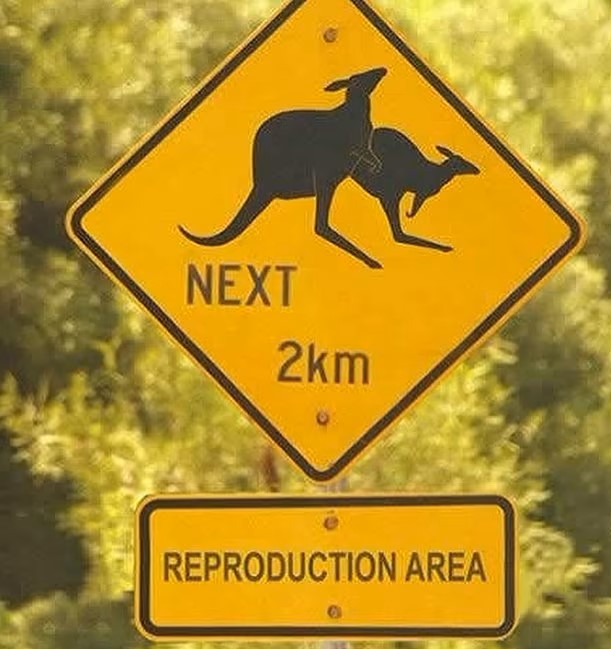
This sign is, supposedly, genuine. If so, don’t stop the car and investigate!
And this one?
Courtesy ABC
This is special to Christmas Island. Sir David Attenborough described the red crab migration as ‘like a great scarlet curtain moving down the cliffs and rocks towards the sea’.
Courtesy Daily Mail
Just joking
In our previous life this sign, ‘un train peut-en cacher un autre‘, was a common sign by railway tracks. For non-linguists it says that there could be another train behind the one that is passing.
Courtesy of Florian Pépellin
“One Train May Hide Another” by the late Kenneth Koch is a poem that uses the metaphor of a train crossing to illustrate how one thing (like a moment in life) can obscure or hide another. Not everything is black and white. It was on a trip to Kenya that he saw a sign at a railroad crossing and wrote this poem out of that experience:
In a poem, one line may hide another line, As at a crossing, one train may hide another train. That is, if you are waiting to cross The tracks, wait to do it for one moment at Least after the first train is gone. And so when you read Wait until you have read the next line— Then it is safe to go on reading. …
Academy of American Poets
Madame and I made a visit to Bayonne, the charming coastal Basque city famed for ham and chocolate. We were walking through the medieval streets and passed a beauty salon. In the window was this cheeky poster. You’ll get the meaning if you substitute ‘hairs’ for ‘poils’. Only in France!
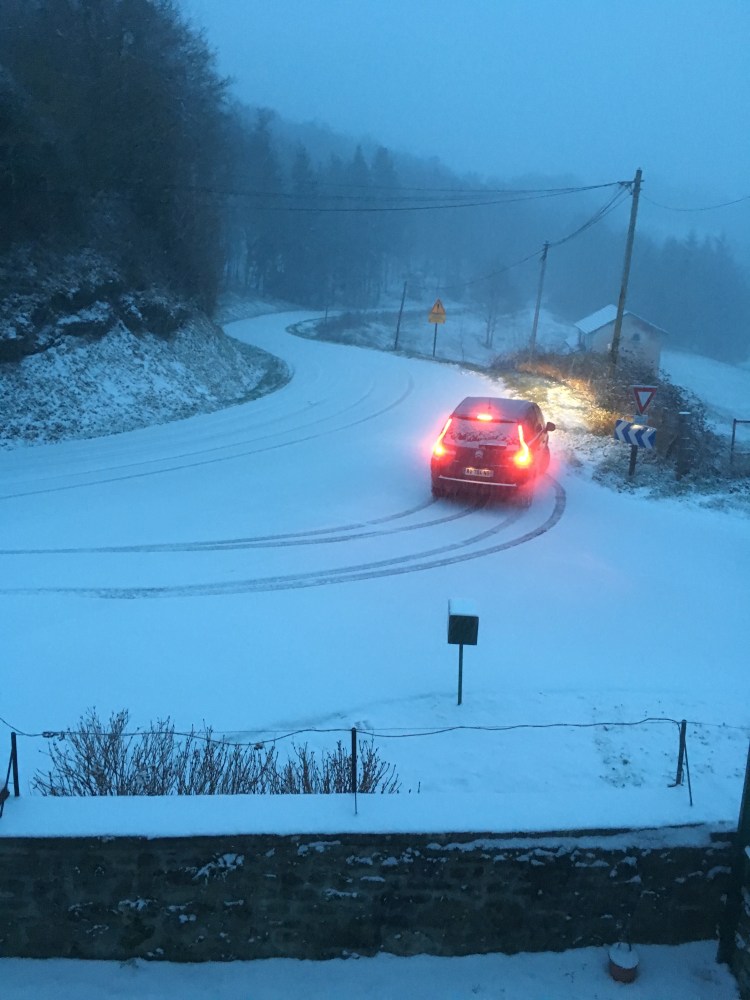
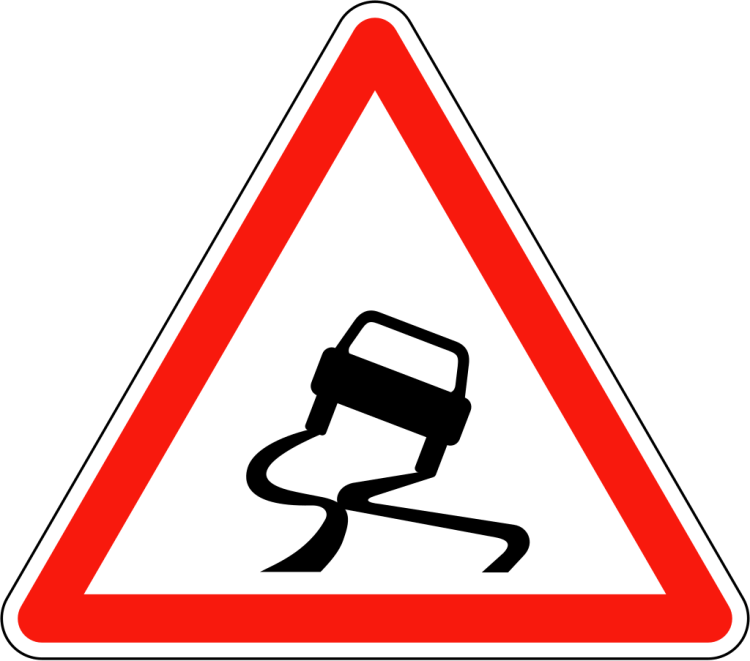
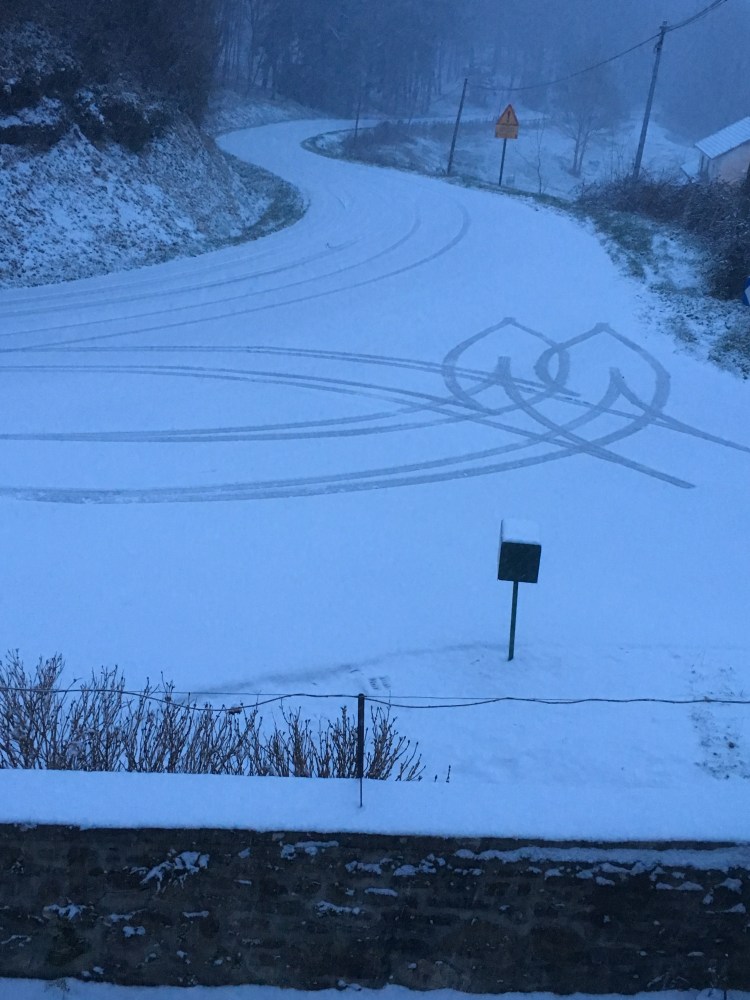
Our Basque house was on a bend. Before the turning there was a warning sign. It wasn’t a snow sign as the weather was rarely cold enough. One year it was though. From an upstairs window we watched a car driver wrestle with the slippery corner.
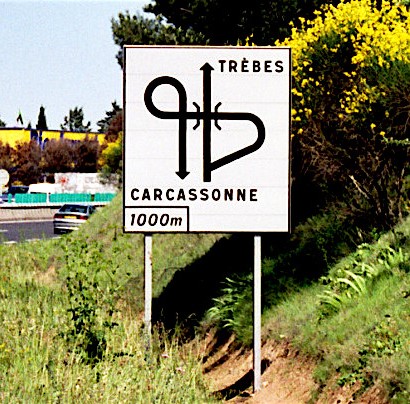
Road signs are designed to give a clear message; this takes some working out………………………
…………and some send out mixed messages! (This was later changed by the council).
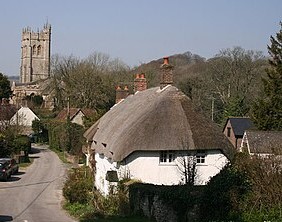
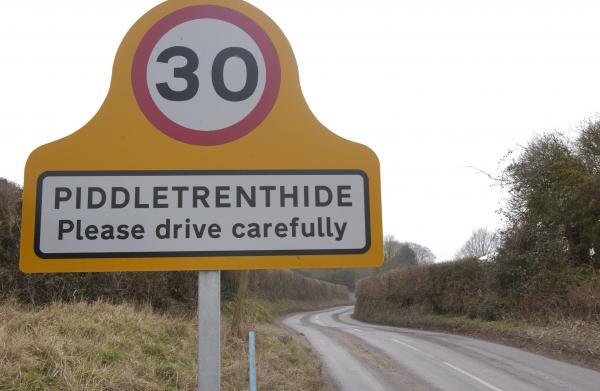
Back in rural England there has been a campaign to improve the ‘Piddle Path’, the existing bridleway which follows the River Piddle from Piddlehinton to Piddletrenthide, approximately 2.5 miles.
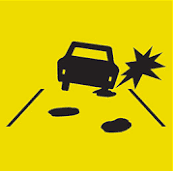
Back to more serious signs. This spells trouble. Wheels, tyres and steering can all be damaged if you hit a pothole at speed. The really tricky ones are those that have filled with water after rain and are hidden.
It’s hardly surprising that the most popular vehicle sold Down Under in 2024 was a ‘ute’ (a solid utility vehicle for the uninitiated), similar to a pickup truck elsewhere. These were supposedly developed by Ford as the result of a letter in the 1930’s from the wife of a farmer in Australia. She asked for “a vehicle to go to church in on a Sunday and which can carry our pigs to market on Mondays”.
Courtesy Positive.News
Have you heard of flacking (not fracking)?The French for a puddle is uneflaque (d’eau). A street artist called Ememem coined this word after seeing a pothole outside their workshop in Lyon and filled it with mosaics. They (sex not known and prefer to remain anonymous) haven’t looked back and their work has spread beyond France.
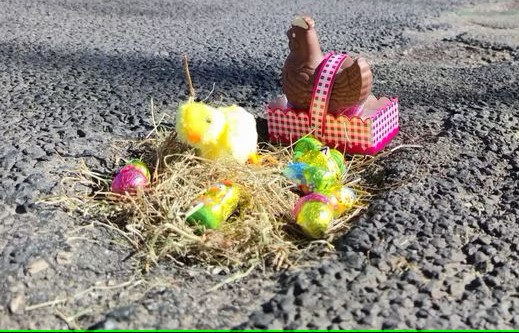
So, why ‘pothole’? One source claims the word originated from the Middle English word ‘pot’ meaning a deep hole and was then used in the 1820s to describe geological features in glaciers and rocks. Back to France, where a pothole is called rather charmingly un nid-de-poule, a hen’s nest; so called because hens have a habit of scratching holes for a dust bath or to lay eggs?
French motorcycling groups wanted to draw attention to the bad state of many roads and highlight the dangers that potholes can bring to riders of two-wheeled vehicles so they created hens’ nests in the holes, complete with eggs and fluffy yellow chicks.
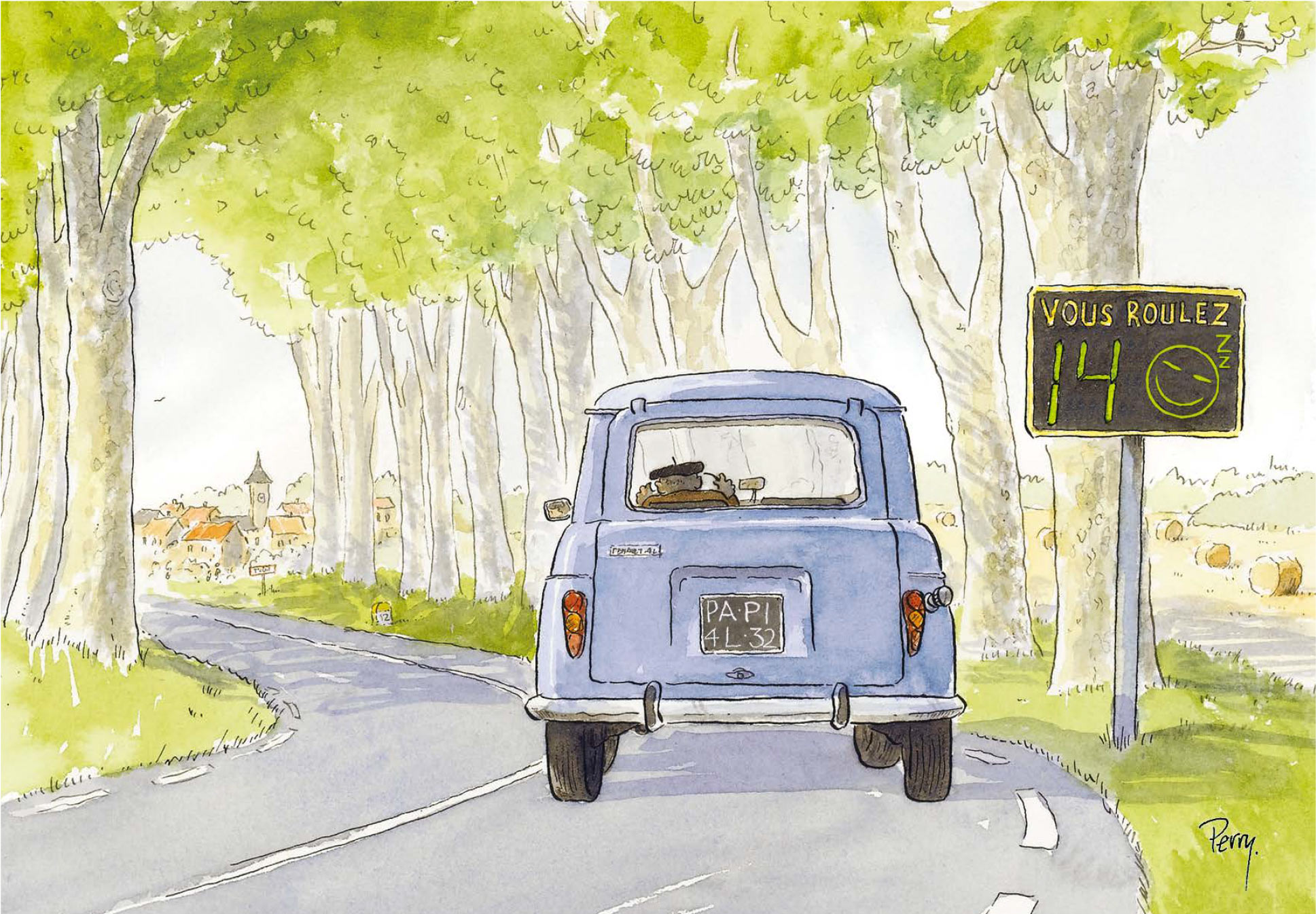
Perry Taylor rounds off the post with one of his humorous ink drawings of life in the SW of France; perrytaylor.fr
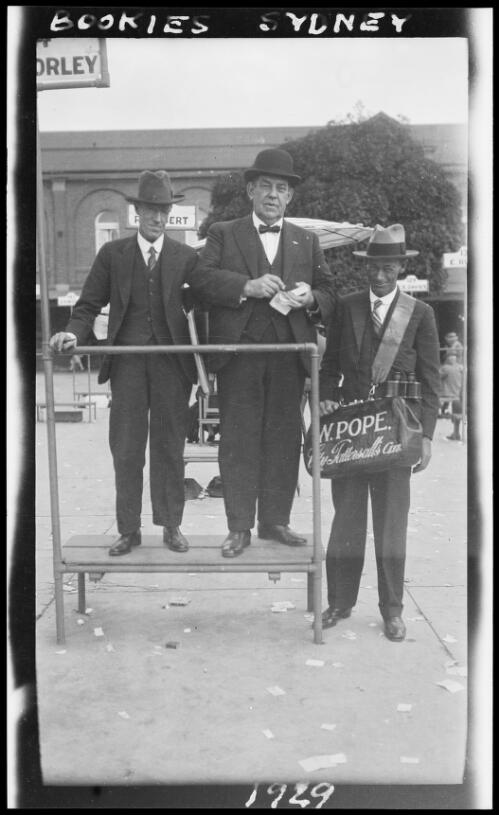
You could be forgiven if you thought this post was about horse racing and betting, hence the title, but it’s not. It does make you wonder though if bookies would carry a bag full of money out of the racecourse these days. Unlikely.
Randwick Racecourse 1929
Nor is it about Hedgewars, a turn based strategy, action and comedy game, featuring the antics of pink hedgehogs as they battle from the depths of hell to the depths of space. This is the funniest and most addictive game you’ll ever play (so say Apple). If you understand that then you are obviously a devotee of computer games. Why the toadstools? Apparently the hedgehogs nibble them!
Courtesy of Steam, a digital distribution service
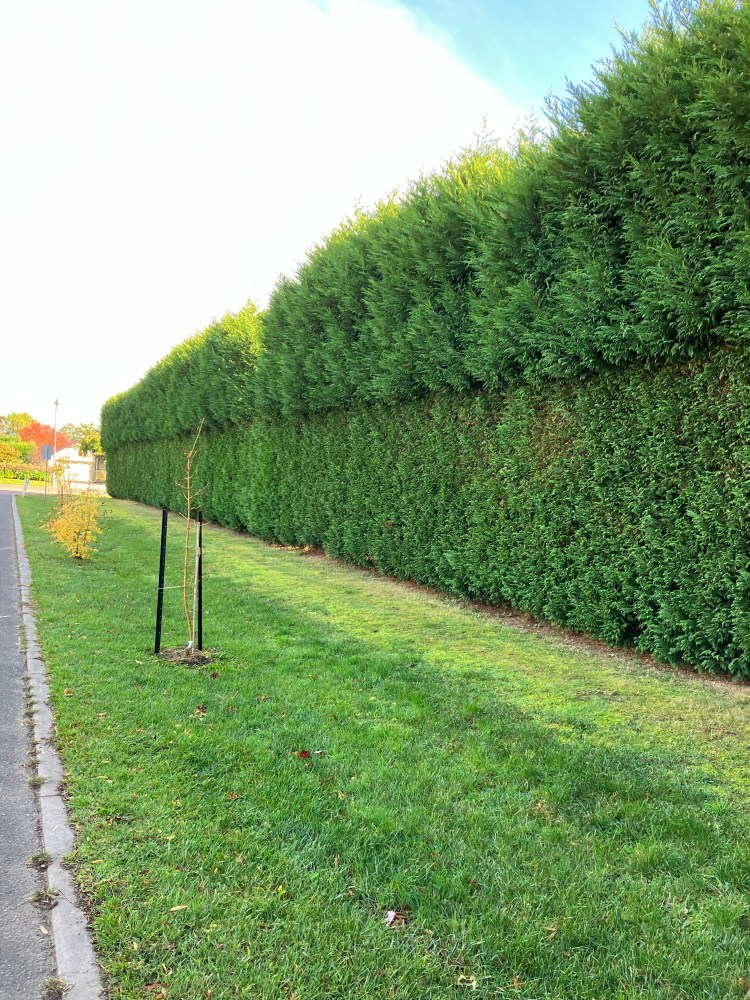
This is about a much more prosaic subject, mundane even, i.e. hedges. Well, not to some people. A few years ago in a peaceful corner of rural England, in an area where detached houses with manicured lawns nestled under gentle hills, war was being waged. A resident, who had lived in the same road for seventy years, was accused in court of attempted murder of….wait for it….his neighbour’s leylandii hedge, by urinating on it. The culprit was sentenced to one day’s custody.
A fine example in Poland
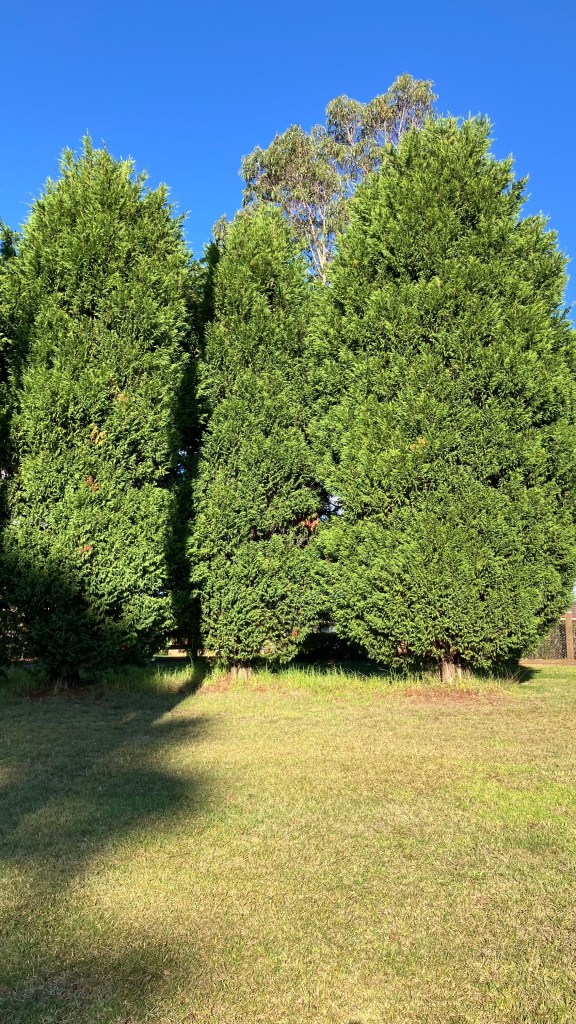
It had to be Cupressus × leylandii; no other hedge seems to cause so many disputes between neighbours. It is capable of growing more than one metre per year and is excellent as a screen. The other side of the coin is that it grows too tall and causes problems for the neighbours. It can reach 40 metres (130ft) or more. Some years ago a gardener in the UK shot dead his neighbour after an argument over a conifer hedge that divided their properties.
Here we have the chicken and egg conundrum; which came first? The hedges or the properties behind them, which are deprived of light?
This harms no-one as it gives the owner privacy and is next to a path and road.
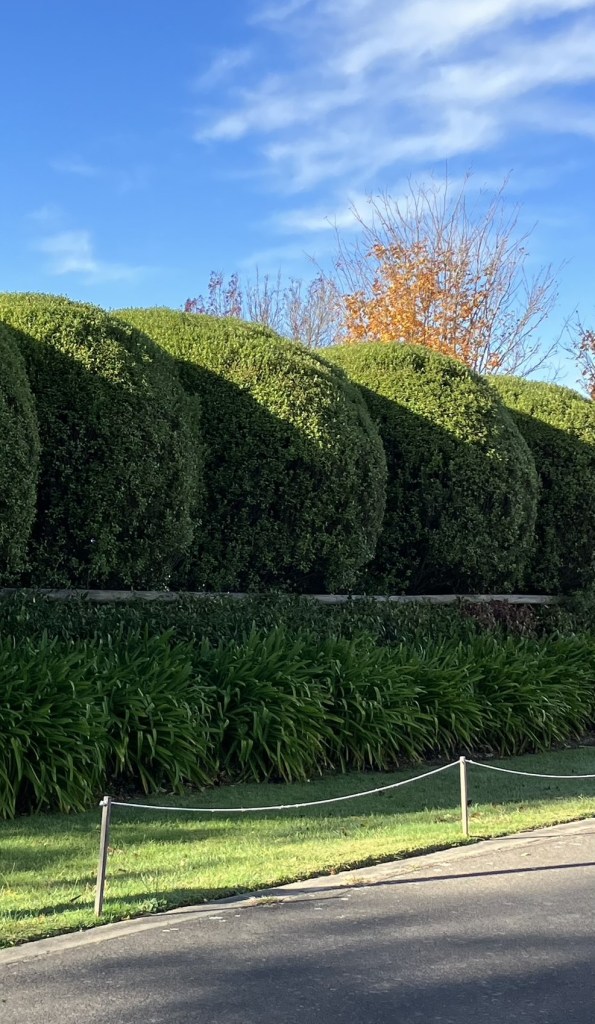
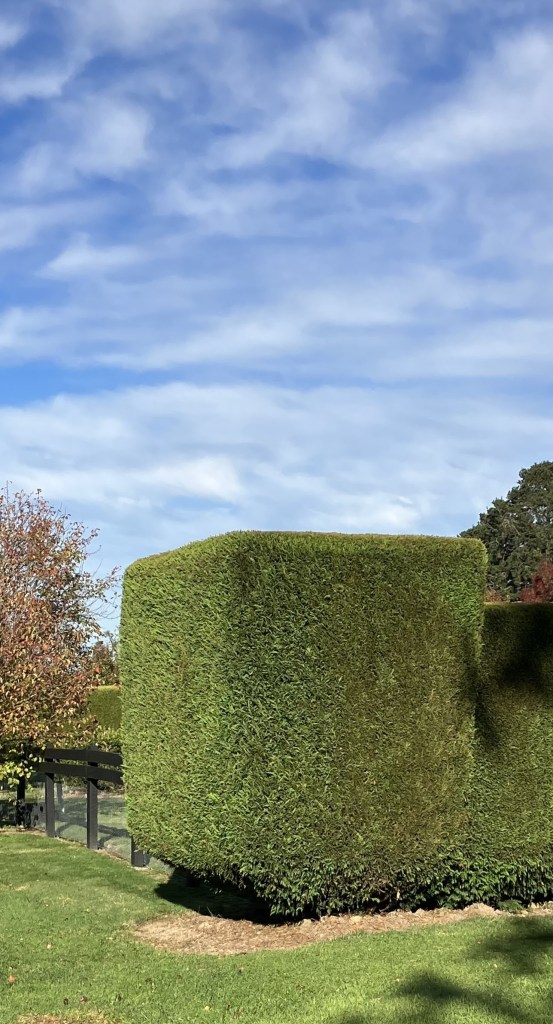
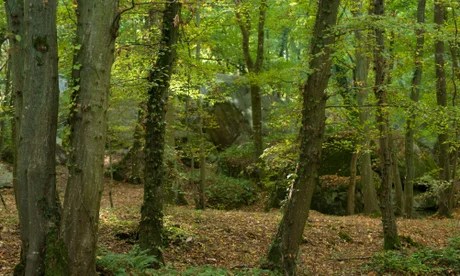
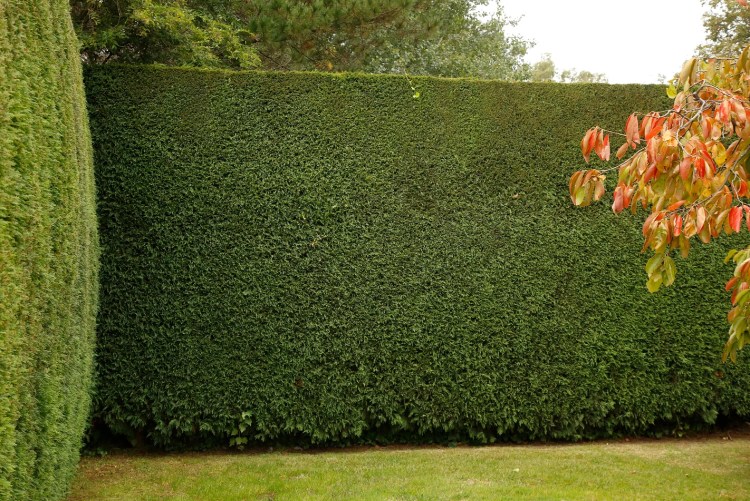
There are countless examples of good husbandry where owners take pride in their hedges and keep them at a sensible height. Three examples near us:
Perhaps the owner was having a break!
So, how did we get to this point? How and when did this controversial plant arrive Down Under? The nearest date I can find is 1990 when it was presumably imported by a garden centre. As to its origin I can do no better than quote from an article by Nick Turrell in The Guardian of Sat 8 Dec 2012.
‘In 1888 something very rare happened on a country estate in Wales: a plant genus was born. Ever since, it has been nothing but trouble. It has caused civil unrest, violence and even murder in its march across the country. Until recently it was the bestselling plant in every garden centre in Britain. As with rats, wherever you are, you’re never far from a Leyland cypress.
Its full name is x Cuprocyparis leylandii, which translates as the “tree most likely to annoy your neighbours”. It was discovered on the 4,000-acre Leighton Hall estate, near Powys, after two cypress trees – which in nature grow nowhere near one another – cross-fertilised and produced six seedlings. The new tree has become so infamous that it’s known by only one name. Leylandii’s success is especially impressive when you consider that it can’t reproduce, which means that every plant we see today comes from cuttings and has been planted by humans.’
This was the hit movie for children in 2006, an animated comedy starring Bruce Willis, which subtly portrays the contrast between the pastoral existence of animals and the frenetic lives of the film’s human characters. That year Michael Duffy of the Sydney Morning Herald wrote an article entitled ‘The green walls of suburban misery’. One of the points he made was that bigger houses are being built on smaller blocks and householders have resorted to leylandii to give them privacy from their neighbours. The other side of the coin is that they might block the light, and view, of nearby residents. It’s not all doom and gloom though. By chance I hit upon:
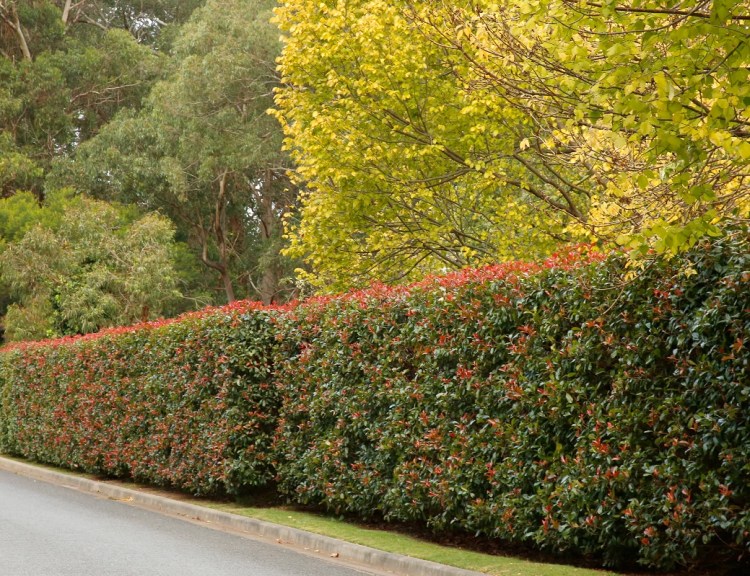
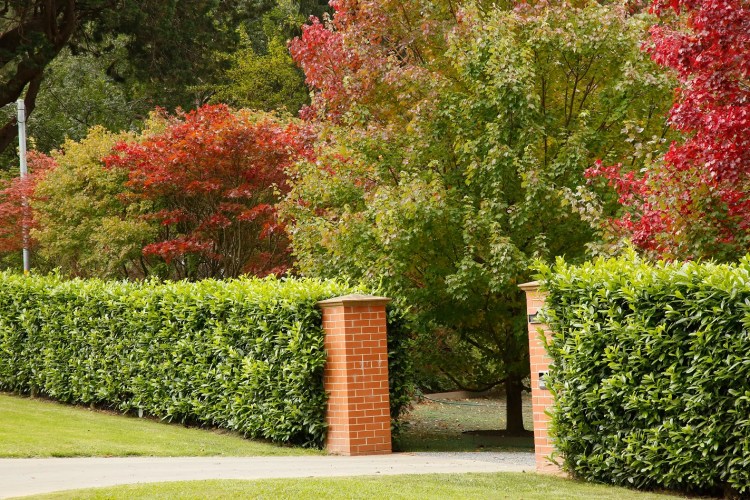
This user friendly website, founded by Brian and Kaylene, www.aussiegardener.com.au echoes the previous paragraph: ‘With yards getting smaller and privacy getting harder, hedges have become an essential part of Aussie Backyards, but they are also a beautiful architectural feature when done well.’ Brian has kindly given permission to reproduce some of their pictures of what hedges can really look like.
Photinia with Golden Elm behind
Leightons Green
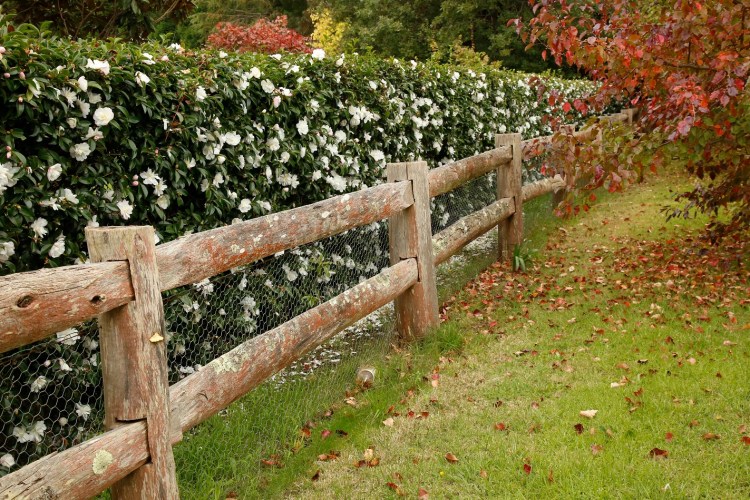
Camelia
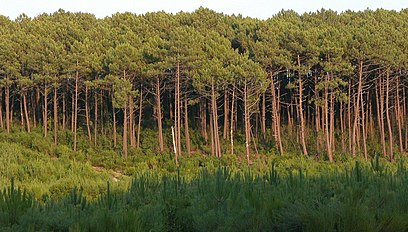
In the unlikely event that you have been following this blog since its inception in 2020 you will know that Madame and I lived in Nouvelle-Aquitaine in SW France. With almost 3 million hectares of forest, this area is the most wooded in France. Mercifully Leylandii wasn’t in evidence. It is often said that the French are not interested in a product unless they have produced it themselves. In this case that was a blessing. If you have driven through this region you would have passed through The Landes, the largest man-made woodland in Western Europe. Maritime pines were planted on what was swamp land. What would it have been like if leylandii had been available?
Many of you will have driven the length of Western France and seen the poplars lining the roads as windbreaks. Near our house was a young plantation. Traditionally trees were planted by the landowner when a daughter was born and were intended as part of her dowry on marriage. Poplars grow quickly and the idea was that they would be mature and ready to fell just when the daughter got married, and the proceeds from the sale of the wood could fund the wedding festivities. On that note………..
Forget infantile jokes about how the fairy became pregnant. This is a serious post.
Toad’s Tool is the first, and only, graphically oriented Super Mario 64 level editor. Does that mean anything to you? Me neither.
An acclaimed scientific journal claims that ‘mankind has hankered after a tool that can detect impending seismic activity’. It seems the common toad (Bufo bufo to you) could fit the bill. The evidence comes from a population of toads which left their breeding colony three days before an earthquake that struck L’Aquila in Italy in 2009 (BBC report). Fatalities were in the hundreds and even ‘earthquake proof’ buildings collapsed.
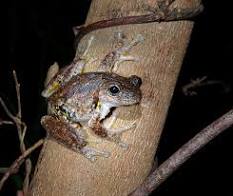
Shortly after madame and I moved into our present house, and were sitting in the garden, we heard a rhythmic tapping sound that seemed to come from our neighbour’s garden. The house had been empty for more than a year, so machinery was ruled out. We learnt, from someone who knows about these things, that it was caused by a striped marsh frog, which has a ‘tock’ call, and sounds a like a dripping tap. That one solved then.
Toads deserve a more sympathetic press. Attracting them into your garden is a natural way of reducing your pest population. They live exclusively on insects, so encourage them. Autumn can be a hazardous time for them. Raking a pile of leaves that had blown into a corner we disturbed a toad which presumably thought there was a safe place to shelter from the winter. It was picked up carefully and given a safer home. It had a dry, bumpy skin.
This is public enemy No. 1 according to the Environment and Heritage department of NSW. Cane toads were brought to Australia from Hawaii with the intention of controlling the cane beetle in the sugar plantations in north Queensland. The beetles live high up on the upper stalks of the plant. The toads can’t jump that far so…… it was a wasted exercise. Scientists estimate that there are more than 200 million of them hopping around Australia causing havoc to the ecosystem. (Fact: Female toads can lay up to 30,000 eggs, twice a year!) Cane toads have no natural enemies and their spread could have a devastating impact on our native animal species. If you find one…..report it to the authorities.
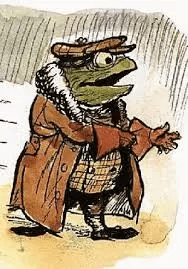
Remember him? If you read Wind in the Willows when you were young you would have met him. How could you forget Mr. Toad of Toad Hall, a character lacking in even the most basic common sense and with a reckless interest in cars?
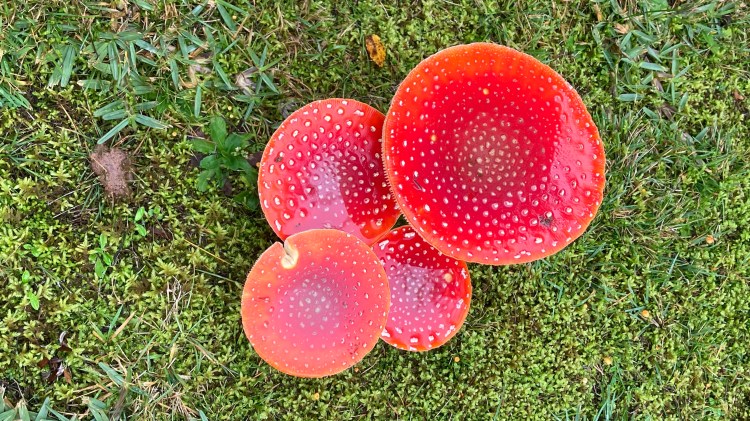
This is not stinkhorn, of course, that comes later, but it’s very colourful. It has been raining for a week. The forecast for this coming week? More of the same, as much as 50cm in a day. That’s a lot of rain, but nature needs rain as well as sun, of which Australia generally has plenty. There are those living things that welcome it;
Designed by Freepik
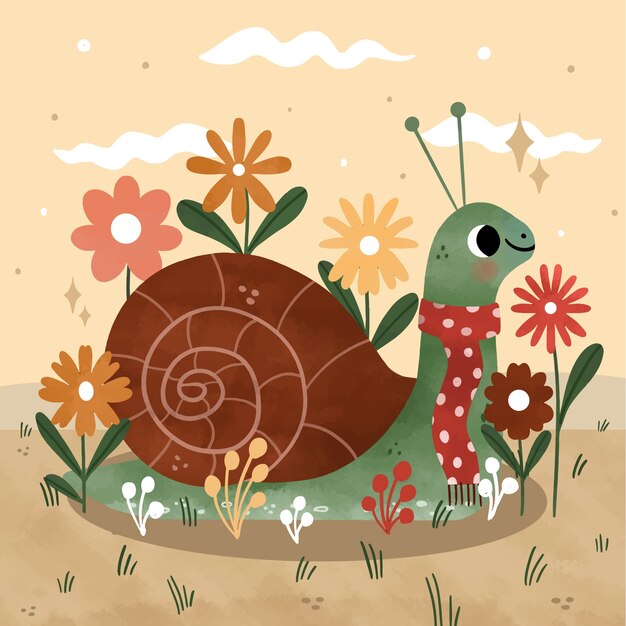
The harder the rain the more snails will crowd into our letterbox. Leave it for a few days and they will have nibbled any letters that have arrived. Fortunately there are few in these days of emails. We must not be too hard on them. In another life, when Madame and I lived in rural France, their relatives were a delicacy, or maybe it was the garlic butter that went with them. So also was the stinkhorn, believe it or not, the immature version anyway. But we have never tried them and nor should you unless they’ve been checked by an expert. All around us here fungi have sprouted like weeds, some appealing, some not.
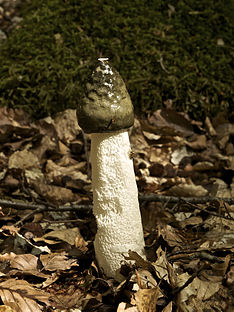
It is the stinkhorn that fascinates, but maybe not always for botanical reasons. Officially known as Phallus impudicus this easily recognisable mushroom is known for its foul odour and shape. A 16th century botanist referred to it as the pricke mushroom. You don’t need to forage for long to find them; the stench ensures that. Victorians were so disconcerted at their shape and tried to destroy them to stop the spores spreading. A waste of effort; the purpose of course was to avoid impressionable young ladies being embarrassed if they came across them during an early morning walk; presumably those same prudes who covered piano legs to preserve their modesty. This has been debunked as a myth by the author of The Victorian Lady’s Guide to Sex, Marriage and Manners. Impudicus? from the Latin for ‘immodest’ or ‘shameless’.
Some mushrooms appeared on our lawn. one damp spring. They looked like those you can buy in the shops, white on top, pink underneath and they peeled easily. Living in foreign parts we decided on caution and took them to the local pharmacie. The chemist looked at one closely, turned it upside down, sniffed it, then said he wouldn’t touch it.
To the unwary there doesn’t appear to be much to choose between these two sets of white mushrooms. You should suffer no adverse reactions from the first, but would be unlikely to survive the second. Le calice de la mort is the chalice of death. Just one Death Cap mushroom could kill you.
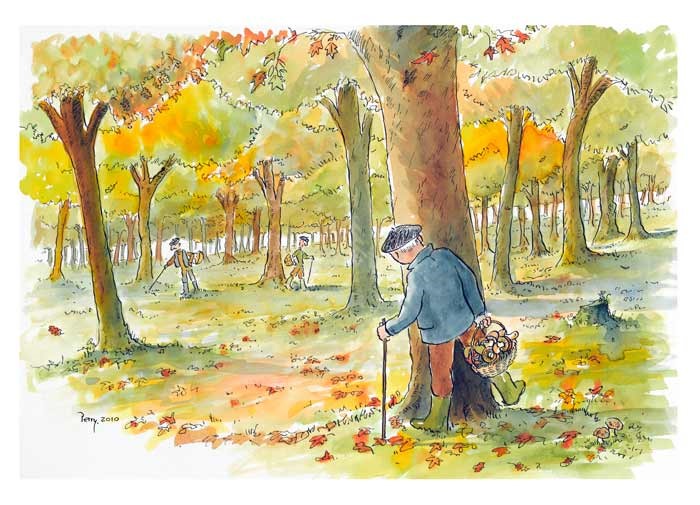
In our corner of rural France hunting for mushrooms was a serious business. Those who knew where to find the les cèpes and les bolets made sure that nobody else did.































































































 Another Down Under diary