As our Boeing Dreamliner from the Middle East started its descent you could, with a little imagination, make out moving bodies on the waves far below. This was February two years ago; summer here, but a cold grey winter in the Pays Basque that we had left behind.
Biarritz had been our nearest seaside resort and a late-comer to surfing. The sea may look placid here but the waves were robust enough for the French Surfing Championships held just after we had left. The G7 countries met in Biarritz but we were not permitted in the town unless using officially approved coaches. When Boris Johnson went for a swim his protection detail accompanied him on a surf board (today’s useless fact). It’s not recorded if the officer carried a waterproof sidearm; a speargun might have been more practical.
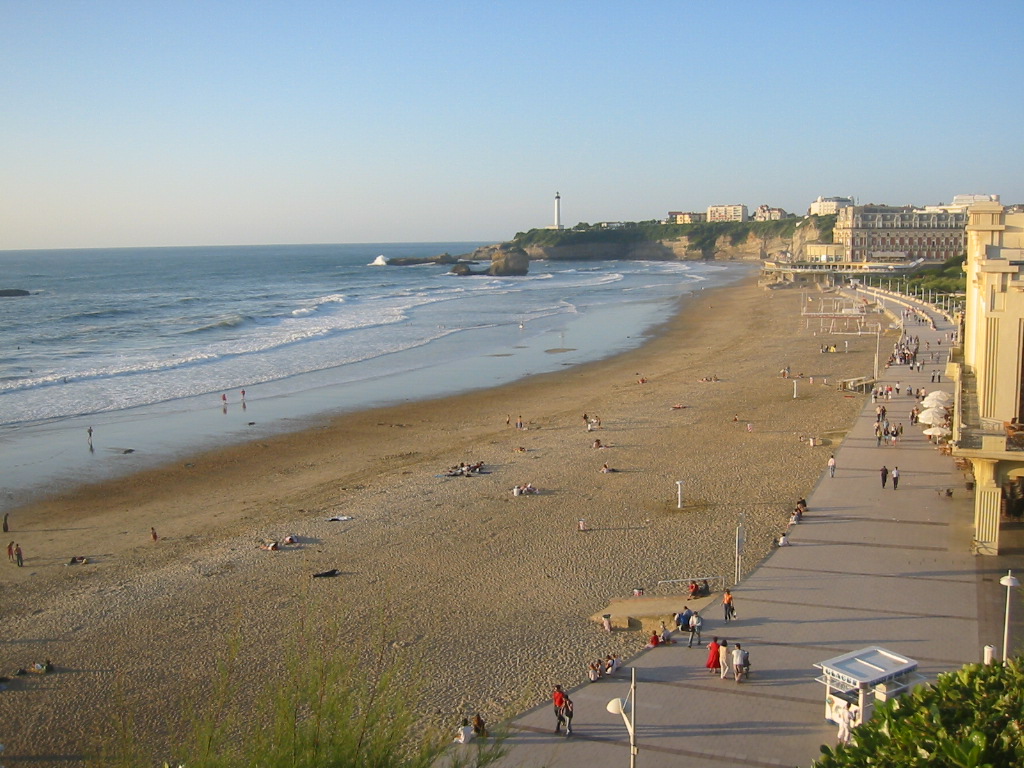
Calm then, but it was a different picture after last year’s storm
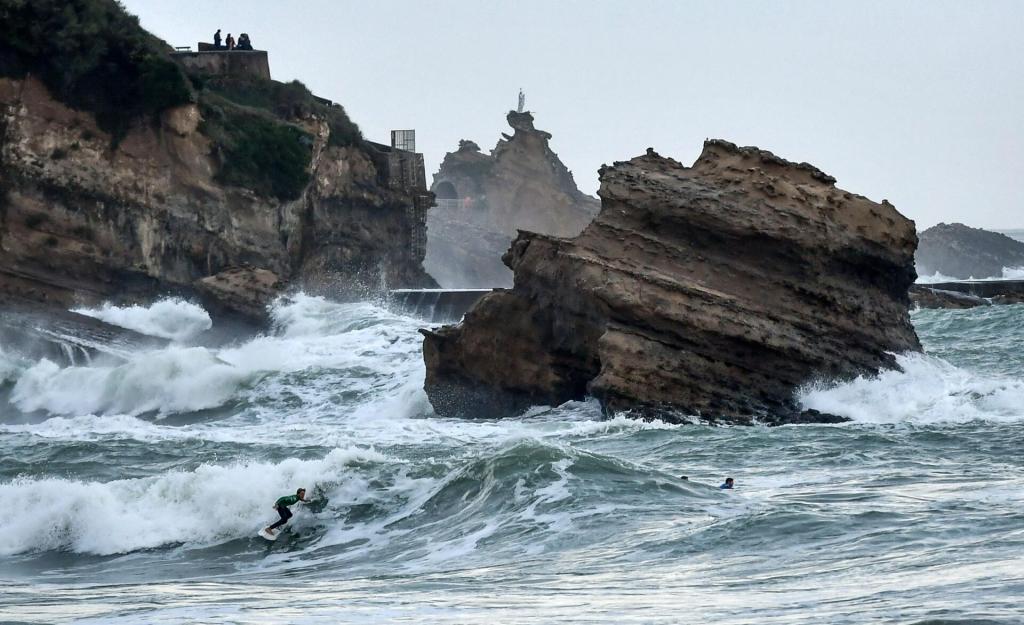
(Le Monde: Photo by GAIZKA IROZ / AFP)
It was a Californian, Dick Zanuck, who is said to have introduced surfing to Biarritz. He had bought a board with him to test the Basque waves while he was here in 1956 filming Hemingway’s novel ‘The Sun Also Rises’ . The book, although recognised as a classic, was originally banned in several countries because of ‘profane language’.

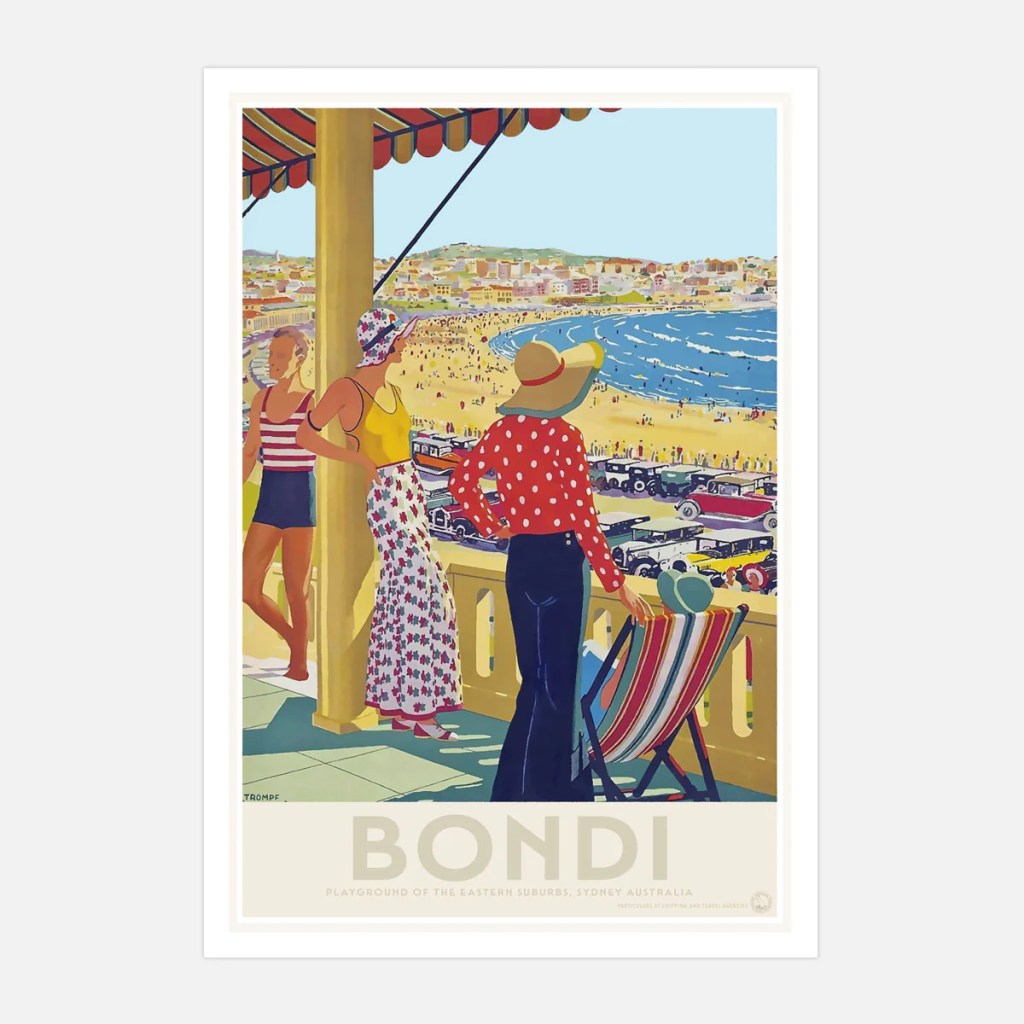
Bondi, our destination, boasts a kilometre long beach that produces world-class waves, making it popular with surfing enthusiasts; but it’s Freshwater, near Manly, that has the distinction of being the first place in Australia to popularise board riding. In 1915 Duke Kahanamoku demonstrated this ancient Hawaiian technique before an enthralled audience. Reputedly a minor Hawaiian royal he is better remembered for winning three Olympic gold medals for the United States; in the water obviously.

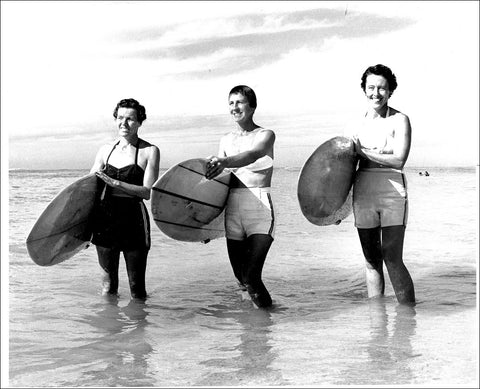
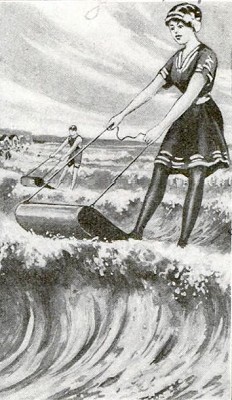
Surfing might seem to be a sport dominated by men, but that is a fallacy. Last century a board, said to have been used for surfing, was discovered in the burial cave of an Hawaiian princess who lived in the 17th century. An early print later in this post shows both sexes enjoying the sport.

Well, within a week, Madame and I had exchanged one surfing paradise for another, but at the other end of the planet.

Historically boards would have been basic; little more than a roughly shaped piece of wood that could float, like a present day hand board without the strap.

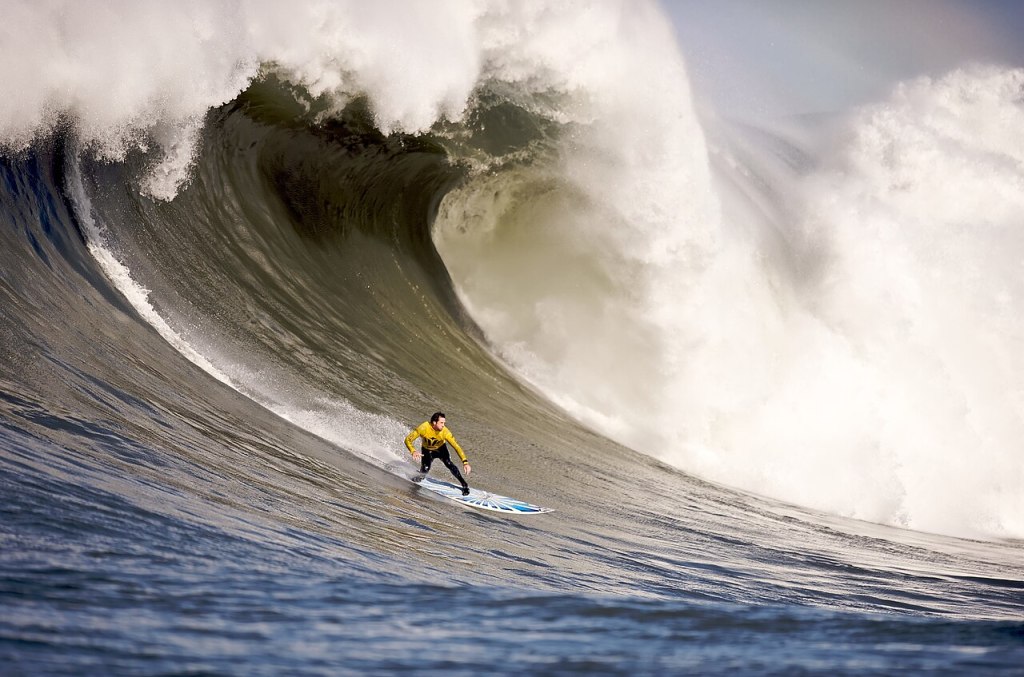
Long boards are thought to have been invented in ancient Hawaii; usually made of wood from local trees and were extremely heavy. Present day boards use modern, light materials.
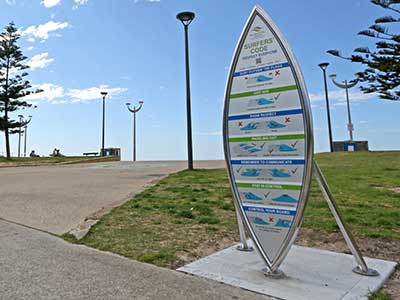
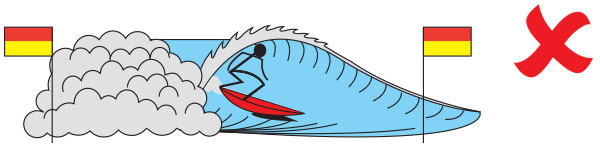
To a casual visitor to the beach surfing might seem to be a disorganised sport. It isn’t; local councils issue rules of etiquette for those riding the waves.
To put a date on surfing as a sport is problematic. Petroglyphs, or lava rock carvings, were etched into stone centuries ago by native Hawaiians. Their true meanings are unknown, but are generally thought to be records of births and other significant events in the lives of the islanders. Certainly, by the time Europeans arrived, riding the waves was well established.

Photo courtesy of Hawaii Magazine
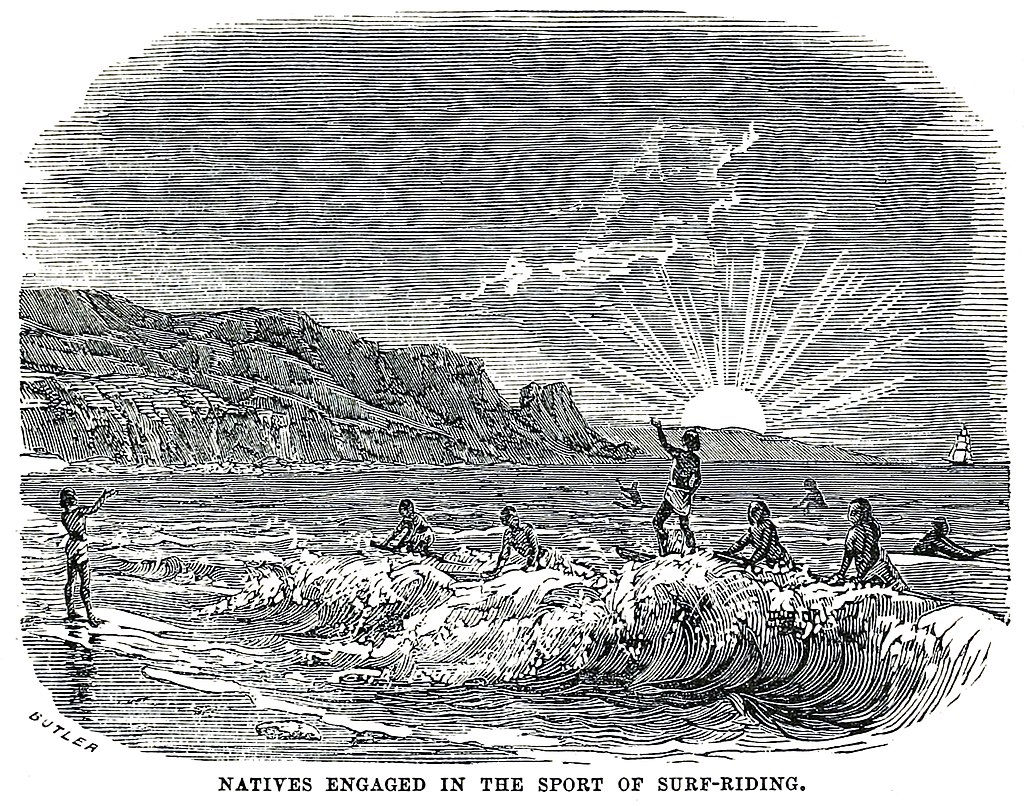
With the European and American traders came the missionaries. A few, more enlightened, realised there was the danger of unsettling what was the natural order of things as far as the inhabitants were concerned. Some fought, vainly, against forced labour in the plantations or mines on the islands.

For the missionaries, here were souls to be cured; not only were the natives naked but they were, as illustrated above, indulging in debauched practices; well, that is how the missionaries saw it. Plainly this could not continue. In the interests of ‘decency’ everyone had to be clothed, even very young children. This was detrimental in the long run as the clothes were rarely washed or dried, or even changed, so they became dirty and insanitary. Healthy bodies were replaced by sickly ones. ‘The local people had quickly understood the link between disease and the white man’s arrival by sea’
(‘One fine Day’ by Matthew Parker).
The population of the Pacific Islands was decreasing and would continue to do so.
Needless to say, riding the waves was now forbidden.
Now for something lighter.
If everybody had an ocean
Across the U.S.A.
Then everybody’d be surfin’
Like Californi-a
Remember them?

Maybe not, as this was released 61 years ago!
Then everybody’d be surfin’
Well they are aren’t they? But the Web of course.
freefromlockdown.com
 Another Down Under diary