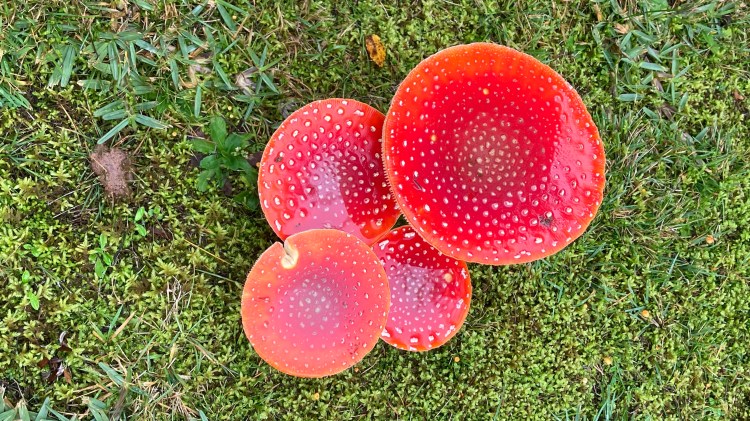
This is not stinkhorn, of course, that comes later, but it’s very colourful. It has been raining for a week. The forecast for this coming week? More of the same, as much as 50cm in a day. That’s a lot of rain, but nature needs rain as well as sun, of which Australia generally has plenty. There are those living things that welcome it;
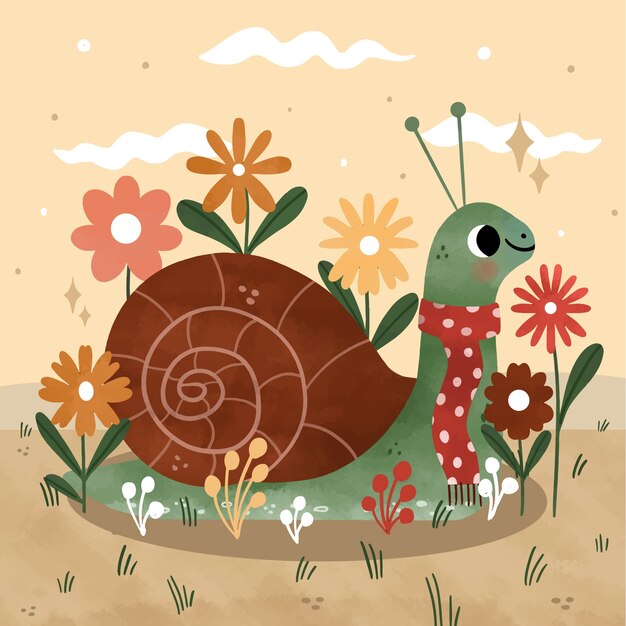
The harder the rain the more snails will crowd into our letterbox. Leave it for a few days and they will have nibbled any letters that have arrived. Fortunately there are few in these days of emails. We must not be too hard on them. In another life, when Madame and I lived in rural France, their relatives were a delicacy, or maybe it was the garlic butter that went with them. So also was the stinkhorn, believe it or not, the immature version anyway. But we have never tried them and nor should you unless they’ve been checked by an expert. All around us here fungi have sprouted like weeds, some appealing, some not.
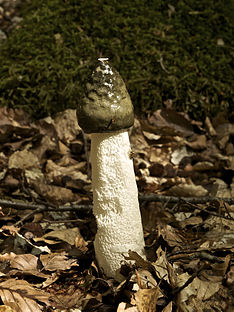

It is the stinkhorn that fascinates, but maybe not always for botanical reasons. Officially known as Phallus impudicus this easily recognisable mushroom is known for its foul odour and shape. A 16th century botanist referred to it as the pricke mushroom. You don’t need to forage for long to find them; the stench ensures that. Victorians were so disconcerted at their shape and tried to destroy them to stop the spores spreading. A waste of effort; the purpose of course was to avoid impressionable young ladies being embarrassed if they came across them during an early morning walk; presumably those same prudes who covered piano legs to preserve their modesty. This has been debunked as a myth by the author of The Victorian Lady’s Guide to Sex, Marriage and Manners. Impudicus? from the Latin for ‘immodest’ or ‘shameless’.

Some mushrooms appeared on our lawn. one damp spring. They looked like those you can buy in the shops, white on top, pink underneath and they peeled easily. Living in foreign parts we decided on caution and took them to the local pharmacie. The chemist looked at one closely, turned it upside down, sniffed it, then said he wouldn’t touch it.
To the unwary there doesn’t appear to be much to choose between these two sets of white mushrooms. You should suffer no adverse reactions from the first, but would be unlikely to survive the second. Le calice de la mort is the chalice of death. Just one Death Cap mushroom could kill you.

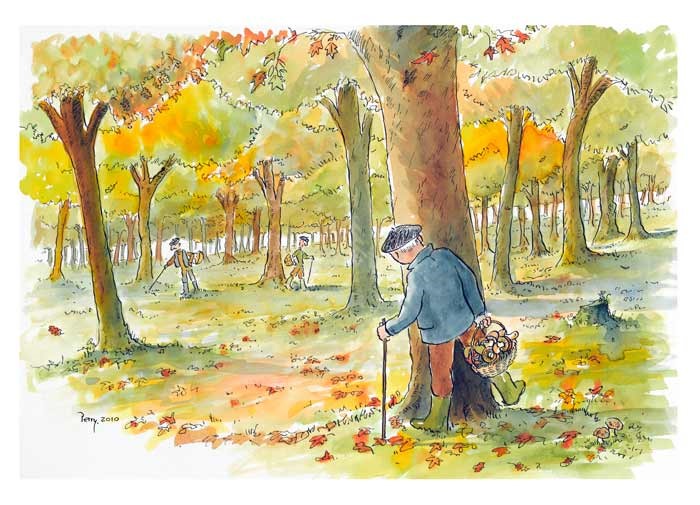
In our corner of rural France hunting for mushrooms was a serious business. Those who knew where to find the les cèpes and les bolets made sure that nobody else did.
For more posts please go to freefromlockdown.com
 Another Down Under diary