
In medieval England salt was rare and expensive; the nobility sat at the high table and their inferior guests at lower trestles. Salt was placed on the top table so that only those of superior rank had access to it. Salt was used by the ancient Egyptians for the process of mummification and war was narrowly avoided between Mexico and the United States at El Paso because of it, so…..
…..what does salt mean to you, apart from sprinkling it on your food?


Where does it all come from? Marine scientists estimate that there are about 50 quintillion kilograms of salt in the ocean (that’s the number 50 with 18 zeros after it!).
One of our favourite campsites in France was at La Turballe on the west coast near the wide beaches of La Baule and the Guérande salt marshes.

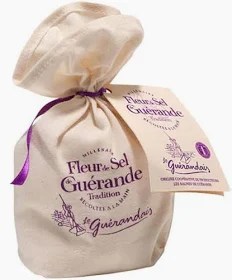
One holiday we bought a bag of salt to take home. It was eye-wateringly expensive but we were told that the fleur de sel de Guérande was the ‘crème de la crème’ of salt. Harvested entirely by hand by workers (Paludiers) – a practice which has remained largely unchanged for centuries – only the youngest crystals from the very top layer of the salt ponds are taken by barely skimming the surface, so only minute quantities are harvested. Coincidentally, friends of ours have the surname ‘Saltern’ meaning a set of pools in which seawater is left to evaporate to make salt.


There is evidence that salt has been refined for at least 6,000 years. It was essential for preserving meat and fish, curing hides, treating wounds and used as currency; but not everyone lived near the sea, nor had the ability to extract salt from seawater.
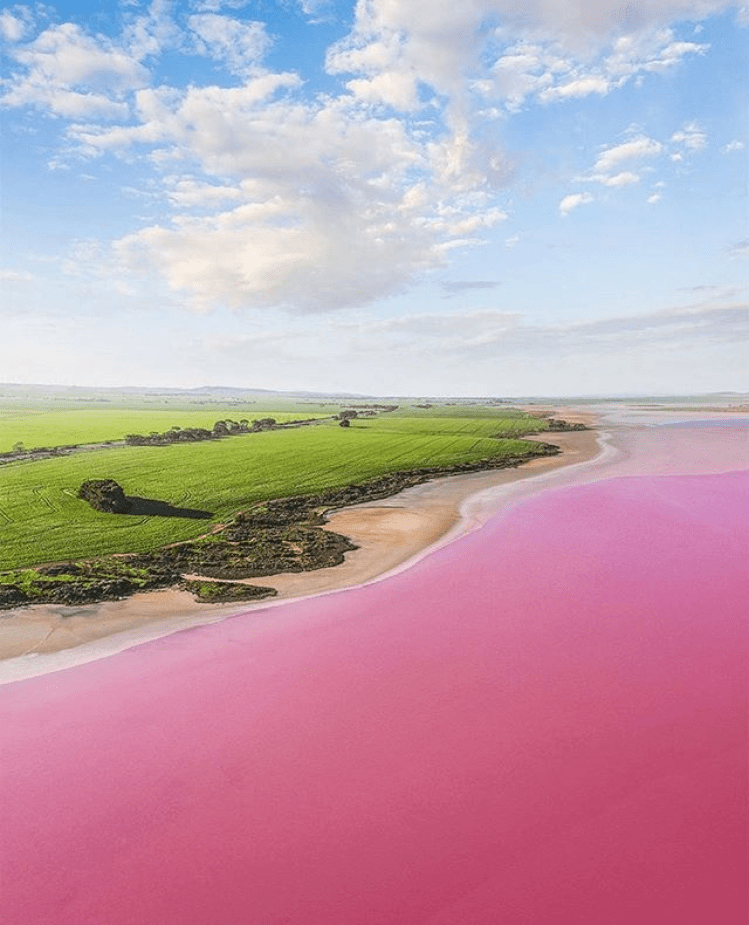
Down Under, the aboriginal peoples harvested salt from, among others, the ‘pink lakes’ region of SW Australia.
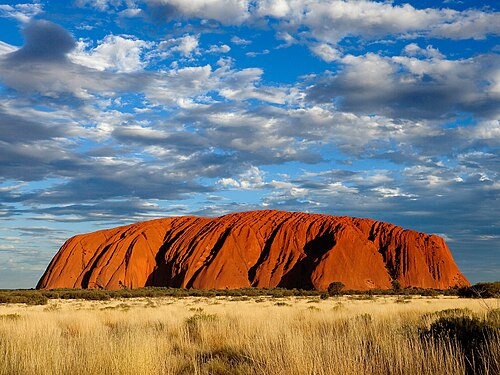
Madame and I visited Uluru (Ayers Rock), a well-known outcrop in the centre of Australia which is sacred to the Aboriginal people of the area. It’s also near Lake Amadeus. Its surface is usually coated in a dry salt crust due to the desert conditions of the area.

It’s not just Down Under that salt was present in spiritual ceremonies. Salt is deeply ingrained in the rituals of many indigenous cultures around the world and used for blessings and purification rites in various beliefs…….

…..but how did primitive peoples, worldwide, obtain salt if they lived far from the sea or lakes? The answer lies in the treatment of certain plants and trees, not large-scale production admittedly, but enough to enhance the flavour of food.
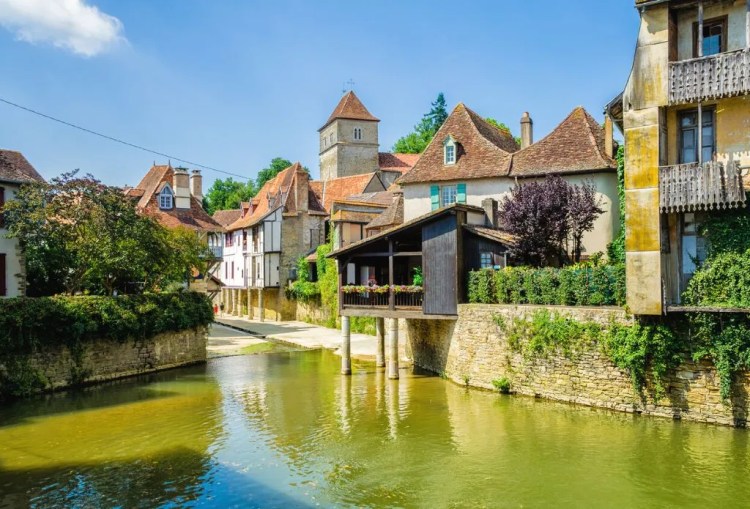
The picturesque town of Salies-de-Béarn is a short distance from where we lived in the pays Basque and is characterised by its distinctive architecture – sloping roofs on picturesque half-timbered houses. Its name might give you a clue as to its popularity. While not a large-scale mining operation, Salies-de-Béarn has a long history of salt extraction from natural springs, earning it the nickname “City of Salt”. Madame was a frequent visitor to its famed thermal baths.
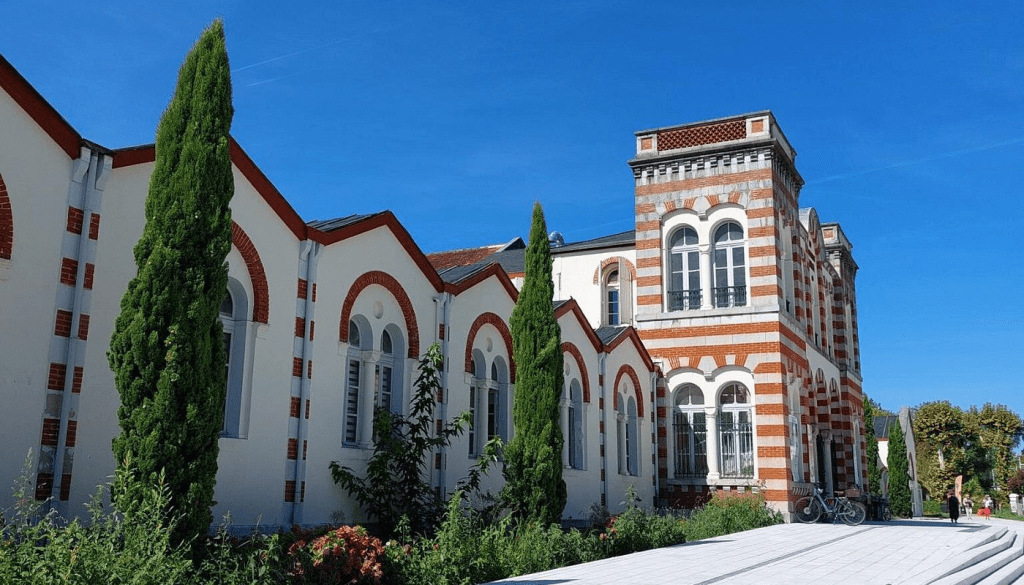
It was Madame who reminded me of the legend of a wild boar ( un sanglier) which was wounded by medieval hunters and hid in muddy marshland. He was found dead months later, but preserved and covered in salt crystals. It was then that people realised that under the village was a spring of salt water.

If you don’t live near a spa you could install a salt water hot tub – very trendy these days.

The tonnes of salt mined worldwide annually evidently do not come entirely from the oceans and lakes, nor, fortunately, does it end up on our plates. The western world eats more salt than it needs. Try reading Salt Wars, ‘The Battle Over the Biggest Killer in the American Diet’, by Michael Jacobson. It makes disturbing reading.

So, where does all the salt go? Flying into Chicago’s O’Hare Airport one (mild) winter we were impressed by the rows of snow clearing vehicles lining the runways. ORD literature claims they have over 250 pieces of world-class snow removal and advanced weather forecasting equipment.
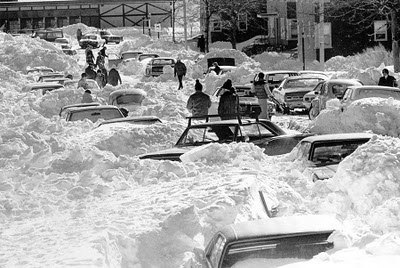
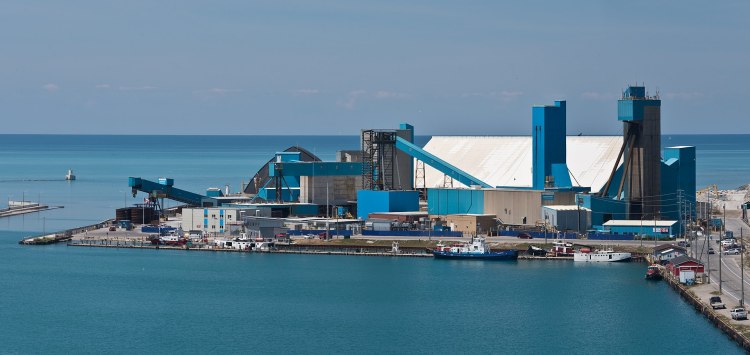
While the airport primarily uses de-icing fluids it devours a large quantity of road salt, up to 8,000 tons annually. This has to come from somewhere. Fortuitously, across the waters and over the border in Ontario, 550m below Lake Huron, is the Sifto Salt Mine, the largest in the world.
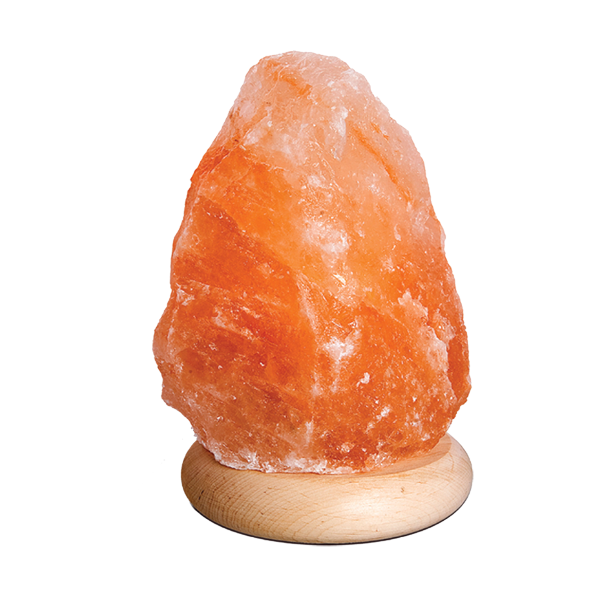
Have you purchased a Himalayan salt lamp? Placing a light bulb inside large chunks of this pink salt gives it a distinctive look and emits a warming glow. Some people believe they provide health benefits, but these are disputed. Many people choose to buy the lamps simply because they like the way they look and enjoy the ambiance the pink light creates in their homes.
The violin is just a taster for the spectacular salt carvings that lie beneath the surface of the Wieliczka Salt Mine museum in Poland.


Leonardo da Vinci would be proud of this 1928 sculpture of ‘The Last Supper’……..

….but first prize must surely go to this nine metre long banqueting table made entirely from one ton of salt collected from the Murray River in Australia……

……would need a few boxes though!
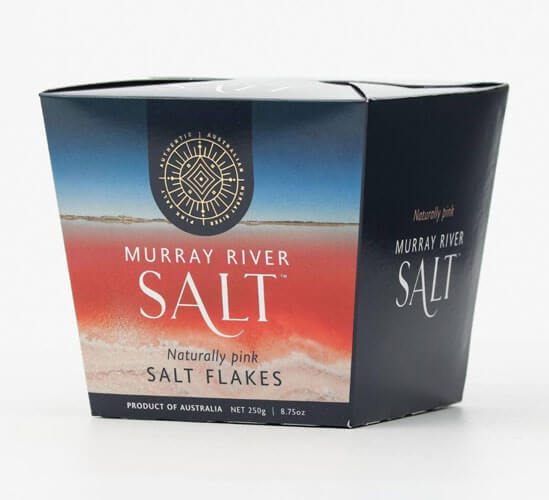
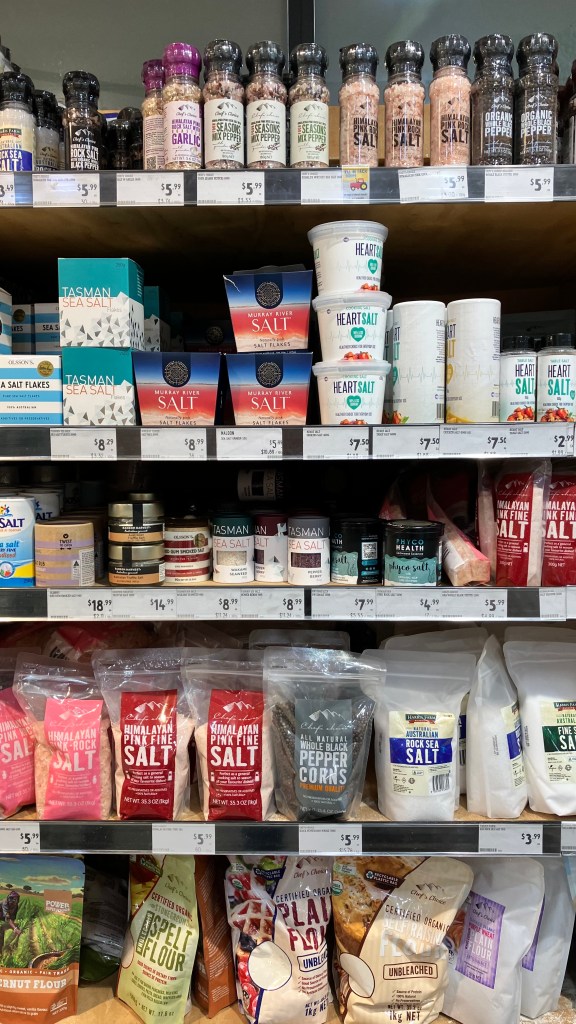
Well, it’s time to come to the surface and take a look at this product nearer home. Madam was keen to purchase ‘pink salt’. In recent years, Himalayan salt has become a popular item on our supermarket shelves here. Its attractive pink hue and claims of health benefits are appealing, but there seems to be little scientific evidence to justify these assertions.

Our local store, which sells a vast range of products, from rolled oats to Pinto beans, stocks three varieties of salt:
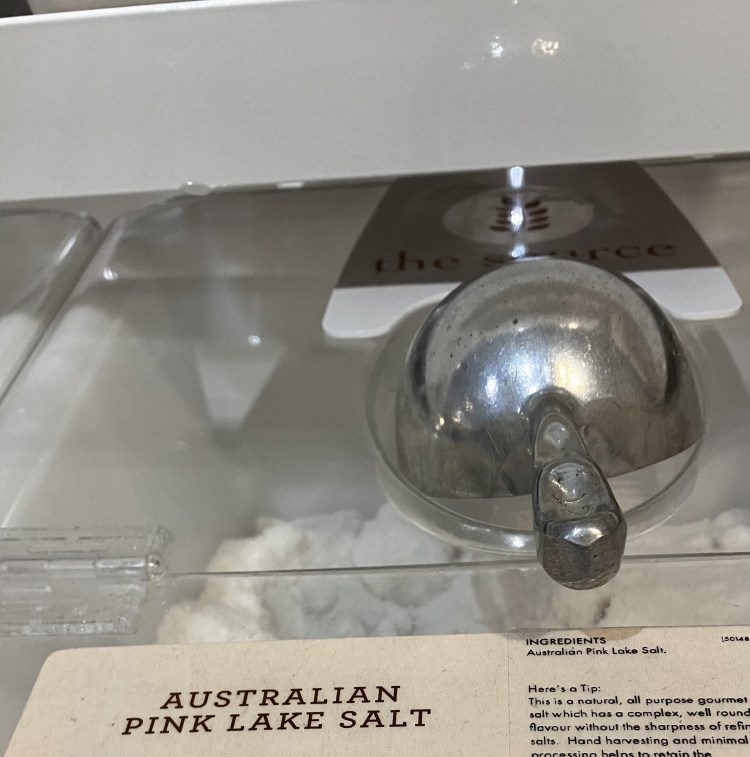


The first two are familiar but where do you find Celtic salt? Not where you might think. Known Down Under as Sel Gris it is harvested primarily at……. Guérande. Kosher certified salt is also marketed from Guérande, but this one is mined and packed in the US.
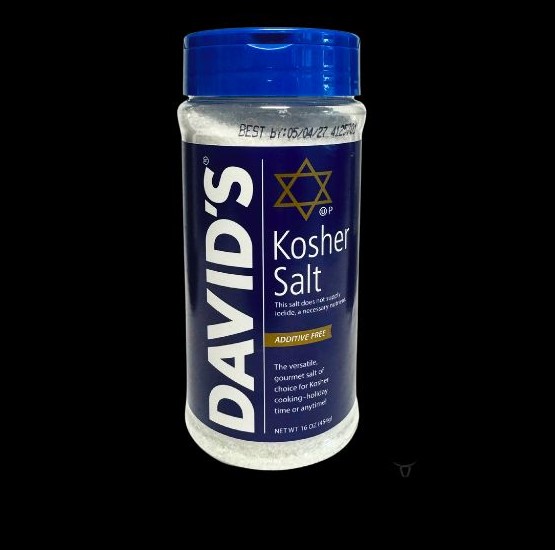
This one, in our larder, is confusing; it’s not sure where the contents originated!

There was a time, when offered tea, that the choice was between Indian or Chinese. Now there is a bewildering choice. Salt has gone the same way.
We keep a bag of rough salt as a deterrent. In wet weather slugs find their way into the letterbox and nibble the post. A layer of salt discourages them; the drawback is that salt becomes damp and spoils the mail. You can’t win!
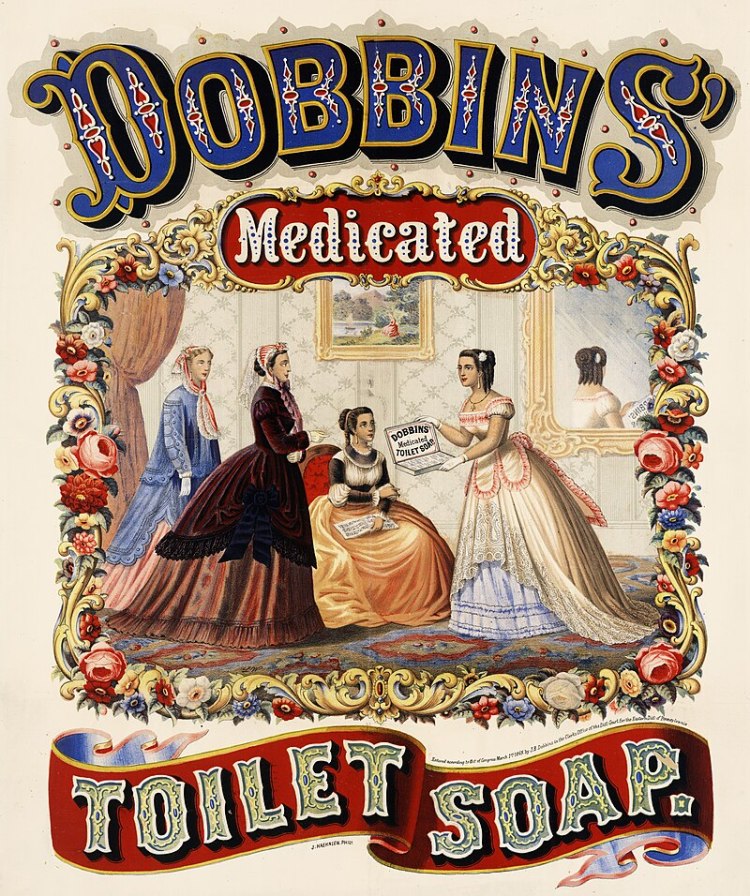
Most likely the soap you use will contain salt. The chemistry involved is too complicated for this post!
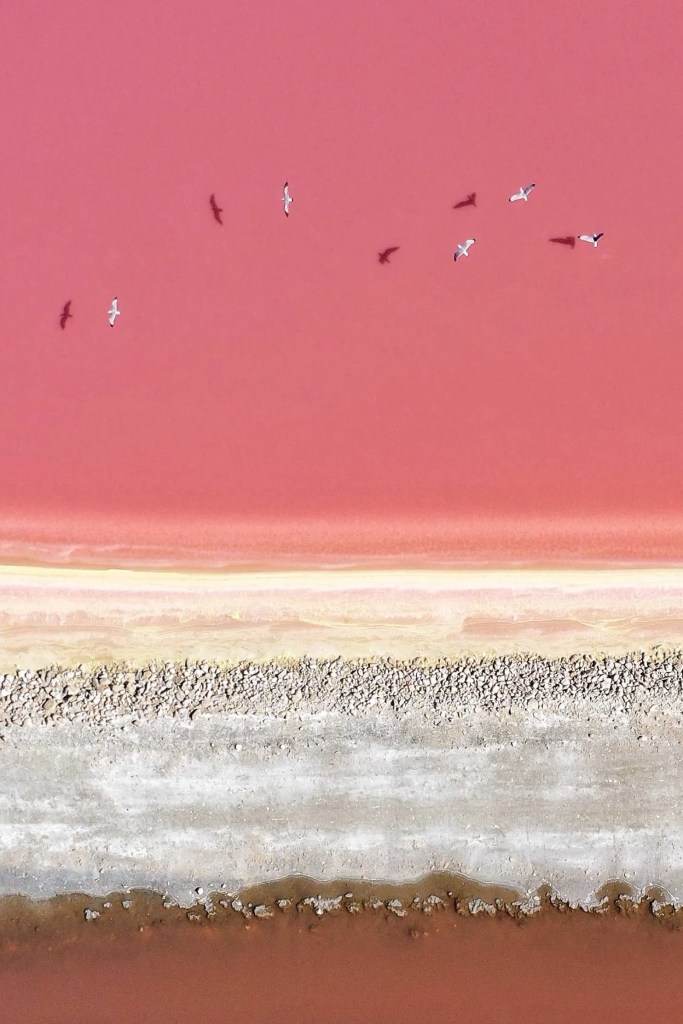
Flamingos fly over pink salt flats in the Camargue region of southern France
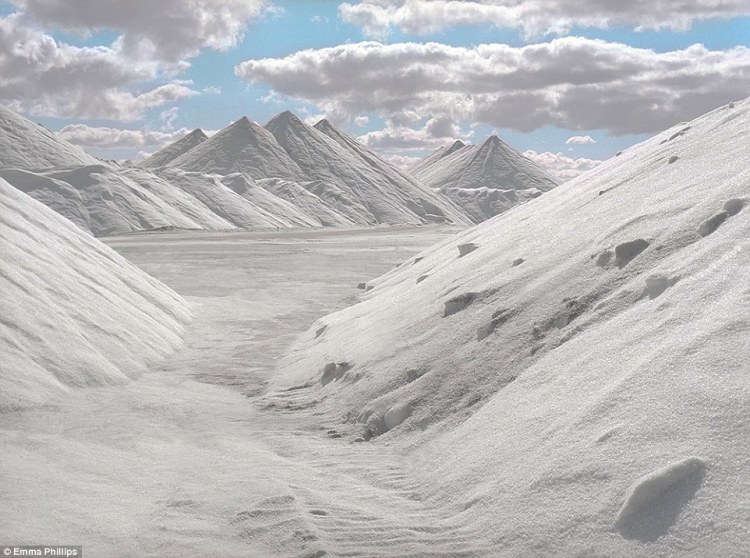
Two scenic views to finish off.

Another Down Under Diary
freefromlockdown.com
 Another Down Under diary