Four years on from what?InMarch 2020 Madame and I were living in rural SW France, in the Pays Basque, where little occurred to disturb the calm of rural life. Millions of lives were then turned upside down when the French president, Emmanuel Macron, announced a nationwide lockdown, or confinement. Covid 19 had arrived.
President Macron asked people to stay at home to avoid spreading the virus. However, during the few days before the official lockdown, thousands of Parisians left the city for their maisons secondaires. Many of these were in SW France and the owners received a cool reception. The second home of a British couple, an attractive mill near us, was burnt down a few years ago. It’s not always a good idea to leave a property hastily, as this young woman found when she returned to her apartment after three months.
Meanwhile hospitals in Paris and the north-east of the country were soon overwhelmed and special trains were equipped to bring the seriously ill to hospitals in Bordeaux and Bayonne. (In France, the SAMU is the national emergency organization or, to give it its full title, Service d’aide médicale urgente.)
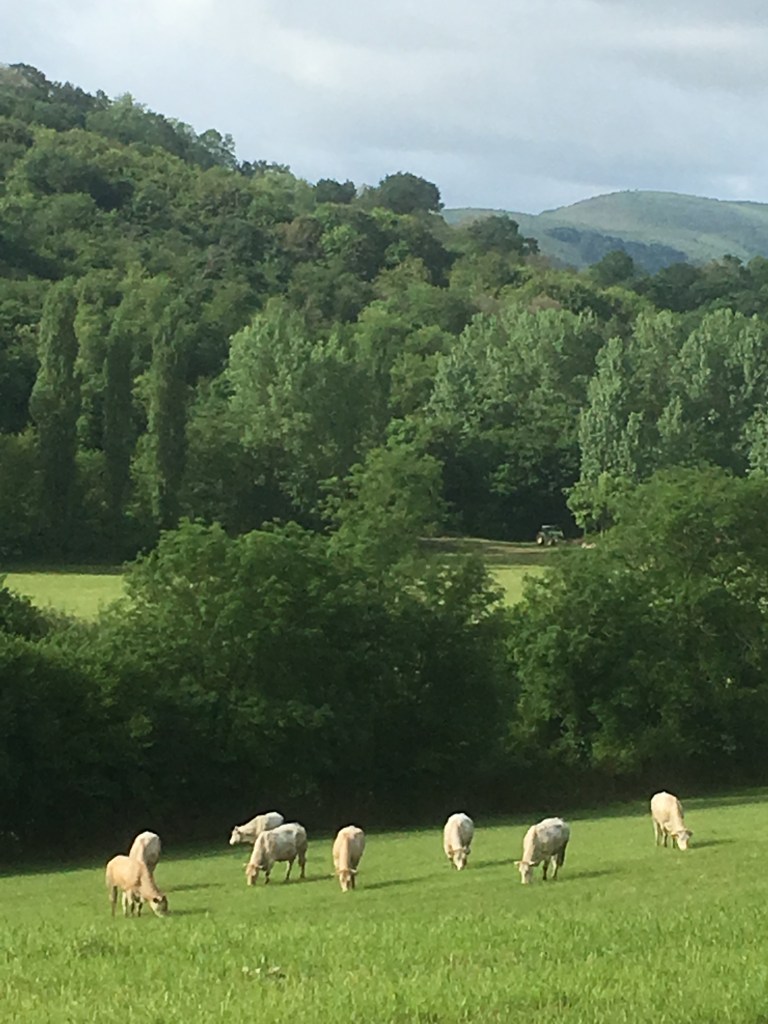
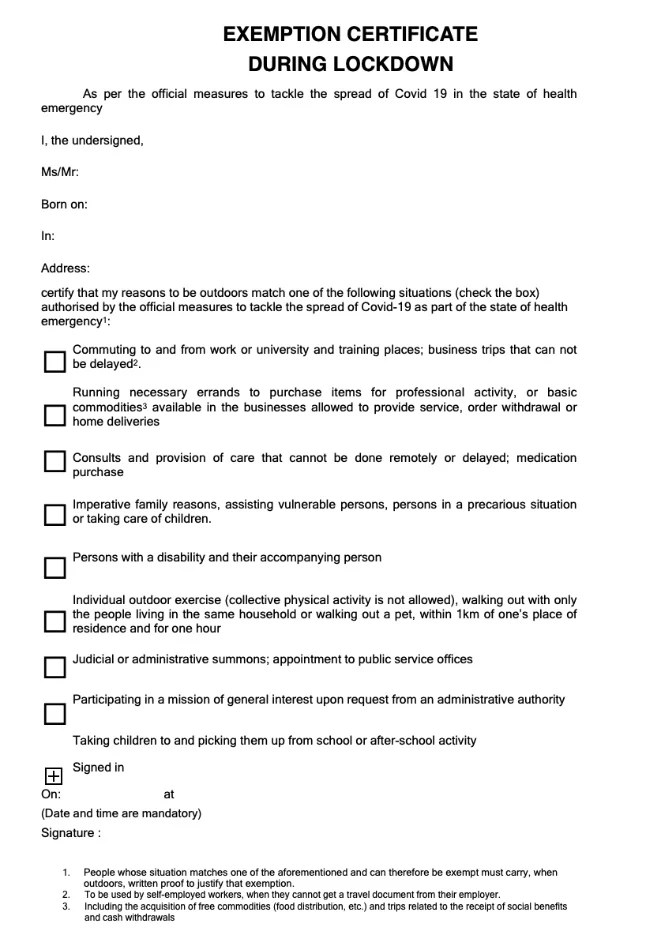
Up until late November the rules on taking exercise limited you to one hour and one kilometre from the home, always accompanied by a signed and dated attestation (permission form). For Madame and me this was not a problem, living as we were near the foothills of the Pyrenees. We could cross the field by the garden and then climb up the hill and away.
We were caught out one day though. To return to the house on this occasion meant a 100m walk along the road. As it was the sacrosanct French lunchtime we rarely saw anyone about even pre Covid.
For obvious reasons we used the French version of the attestation
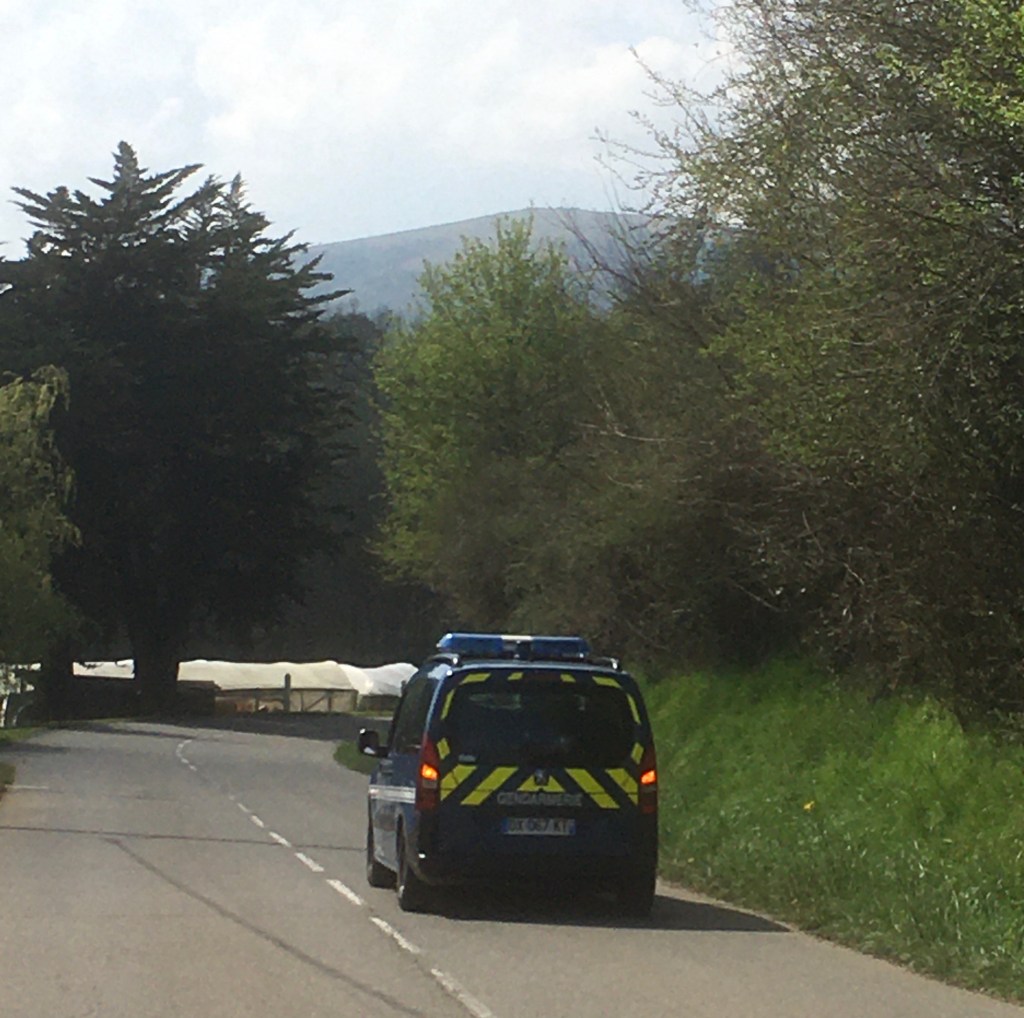
As you get older the police tend to look younger and these two gendarmes, male and female, really did not look old enough to be carrying sidearms. They asked for our attestations. We were by then only 20m from the house, but without the paperwork. This could have been a problem as the fine was substantial. However, it was their lunchtime and they were heading back to the station so they didn’t linger.
The hunting lobby is strong in France but a growing number of French people have an unfavourable view of this pastime. There was widespread surprise and condemnation that hunters of large game were permitted to continue hunting during the lockdown. Large game in our corner of France generally meant the sanglier, or wild boar. Madame was driving to Biarritz one day pre-Covid when she almost collided with a boar coming out of the adjoining forest. It didn’t stop at one; eight more trooped across the road behind the leader. Wild boar breed at a phenomenal rate.
Marc, our local farmer, showed us the damage that the boars had done to his maize crop and the reason that the French prime minister permitted hunting was, he said, with some justification, to protect the farmers and their crops. A petition was launched, which attracted nearly a quarter of a million signatures, which wanted the rules to be eased for riders, cyclists and outdoor sports enthusiasts, but this was refused. It was pointed out, with some reason, that the mental health of those confined week after week in cramped accommodation would suffer.
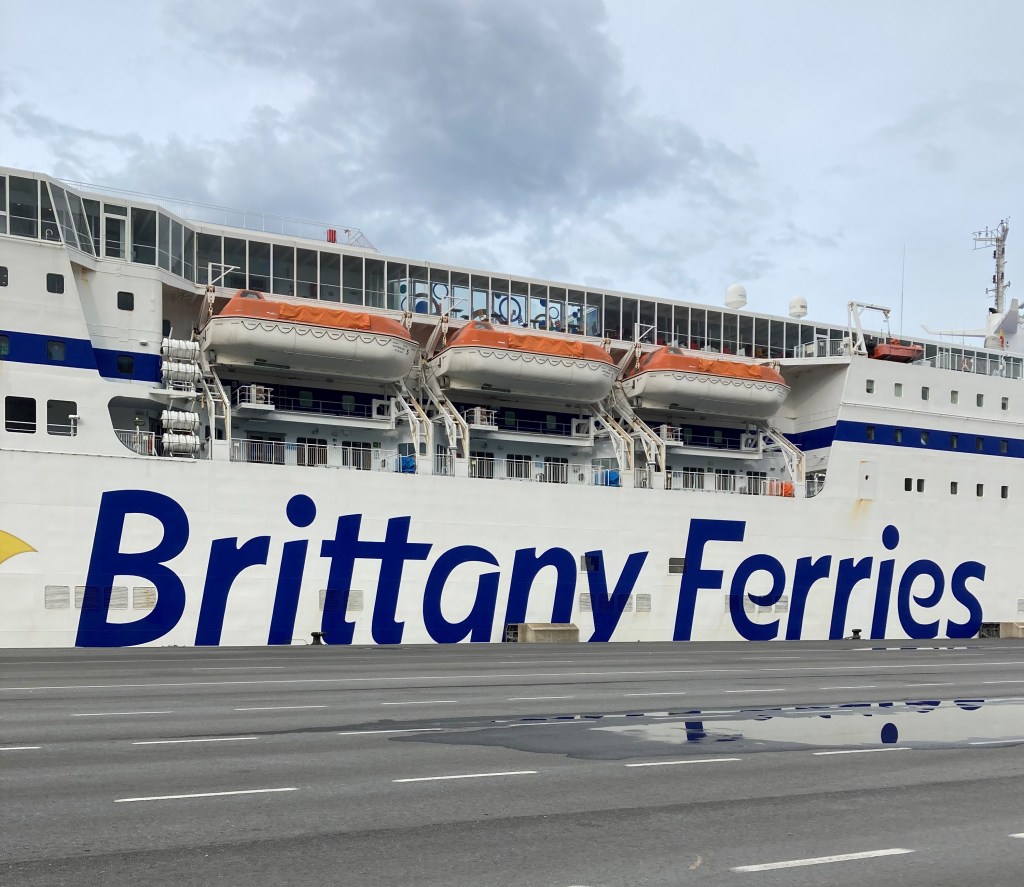
When restrictions were eventually eased the following year Madame and I had to make an urgent visit back to the UK. The paperwork involved was a nightmare, let alone the Covid tests that had to be taken regularly; you had to declare where you going, who you were staying with and how long you would be away. How travellers without computer skills coped was a mystery. We heaved a sigh of relief when we finally embarked. That should have been that, but the captain came on air to say that two of the crew had been in contact with Covid and he would have to ask for permission to sail. Not a problem? Well, we were in a Spanish port, in a French vessel en route to England, so permission times three. We went to bed and hoped for the best. Many hours later the engines started and we were on our way. A negative Covid result was only valid for 72 hours, so any disruption meant you would have to start the whole process again.
If you thought that was the end of the saga you’d be wrong. On the return journey from Portsmouth there was a minor problem with our papers so we couldn’t board. We were directed to the ferry office to sort it out. For once luck was on our side in the form of a super efficient official who reprinted them correctly.
We heaved a sigh of relief when Old Portsmouth slid by and we were in the Channel.
For previous posts please visit freefromlockdown.com
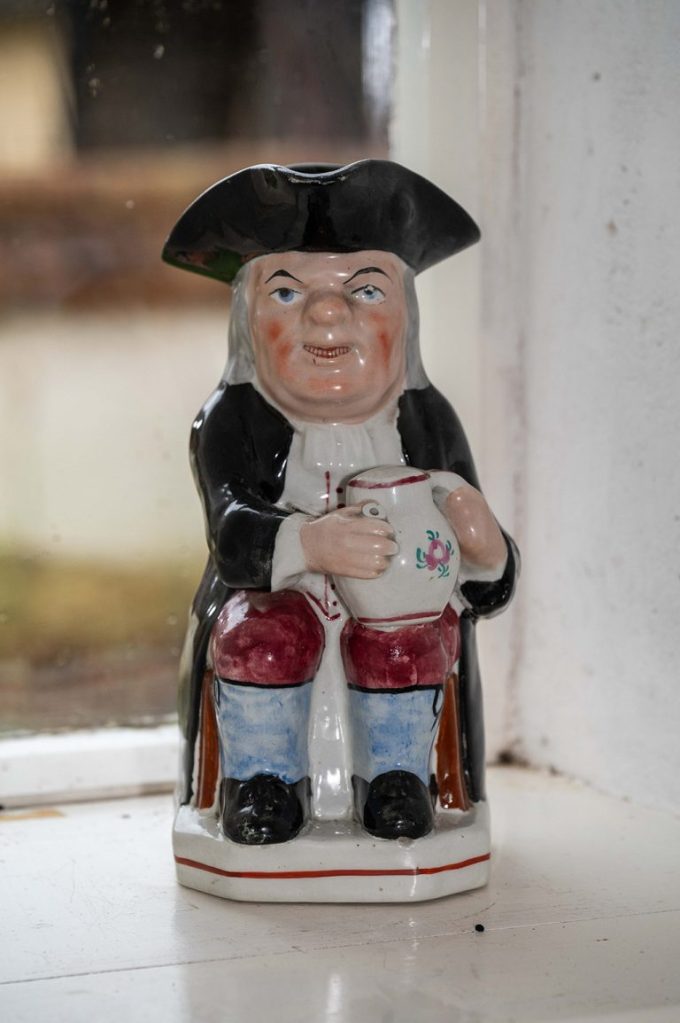
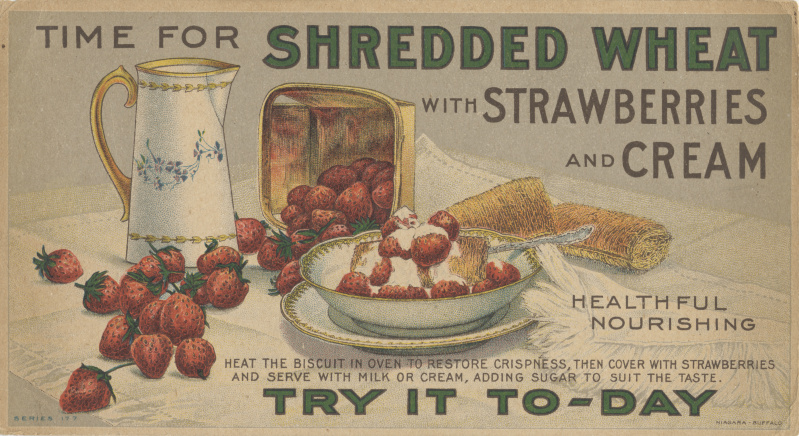
This post has nothing to do with the stout, jovial man holding a mug of beer and wearing 18th-century attire, a long coat and a tricorn hat. It was the picture that was appealing. There was a time when no British antique shop would have been complete without a Toby jug, but this concerns a much more serious matter, Shredded Wheat or, more precisely, its unexplained disappearance two months ago.
An empty space on the cereal shelf
The first supermarket questioned said that the product (why is everything a ‘product’ these days?) had been discontinued. The second said it was out of stock, with no date for its return. The third, being rather more upmarket, didn’t stock it anyway and concentrated on expensive, trendy ‘health’ foods. This may not seem significant to you, but to lovers of this cereal it was a disaster.
Enter Uncle Tobys. Why the fuss you say. There are plenty of cereals to choose from these days, every shape and colour to suit your taste, from ‘no added sugar’ to too much of it.
This cereal does seem to occupy a special place on the Australian breakfast table. Following the gold rush in Australia, the Parsons brothers left England and started manufacturing John Bull Oats in Melbourne. In 1861 the Uncle Tobys Company was born.
But it seems the USA can lay claim to the name Shredded Wheat.
A certain Henry Perky developed a method of processing wheat into strips that were formed into pillow-like biscuits.
Companies change hands, so it’s sometimes difficult to know who owns what. Uncle Tobys is currently operated as a subsidiary of Nestlé and their cereals are manufactured in the UK as well as Australia, near the wheat fields of Victoria.
Shredded Wheat had a particular place in UK popular culture, years ago, due to a long-running TV advertising campaign. It featured Linda Hoyle, singing the lyrics: “There are two men in my life, to one I am a mother, to the other I’m a wife and I give them both the best with natural Shredded Wheat.
That wouldn’t go down too well these days
So, what did happen to our favourite cereal? Now we get involved in international affairs. Uncle Tobys simply said that there was a temporary shortage of some, unspecified, materials and were making changes to some recipes but did not name the ‘products’ involved. Nestlé were more specific saying that sunflower oil is one of the ingredients they use. Prior to the current war, Ukraine was the world’s largest exporter of sunflower oil and, together, Ukraine & Russia accounted for around 70% of the world’s supply. There, presumably, is the answer. The hunt is now on for ‘sustainably sourced palm oil’ as a ‘temporary’ measure.
Glory be, it re-appeared last week in our local supermarket. Only two boxes were on the shelf though; the vultures had been there before us. Delight changed to annoyance at the price which was 25% more. Madame astutely pointed out that the box was bigger, by a third! No cause for complaint there then.
Have you heard of Kendrick Lamar? No, nor had I, but Complex magazine listed his song “Cartoon & Cereal” its second best song in 2012 (Today’s useless fact).
As our Boeing Dreamliner from the Middle East started its descent you could, with a little imagination, make out moving bodies on the waves far below. This was February two years ago; summer here, but a cold grey winter in the Pays Basque that we had left behind.
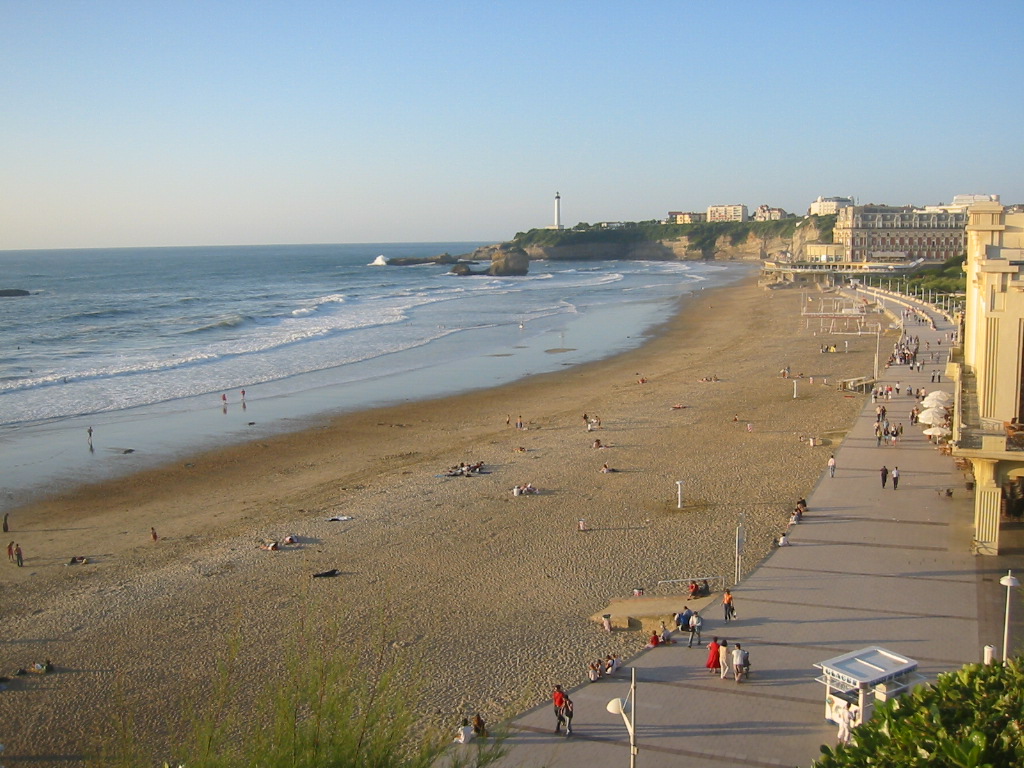
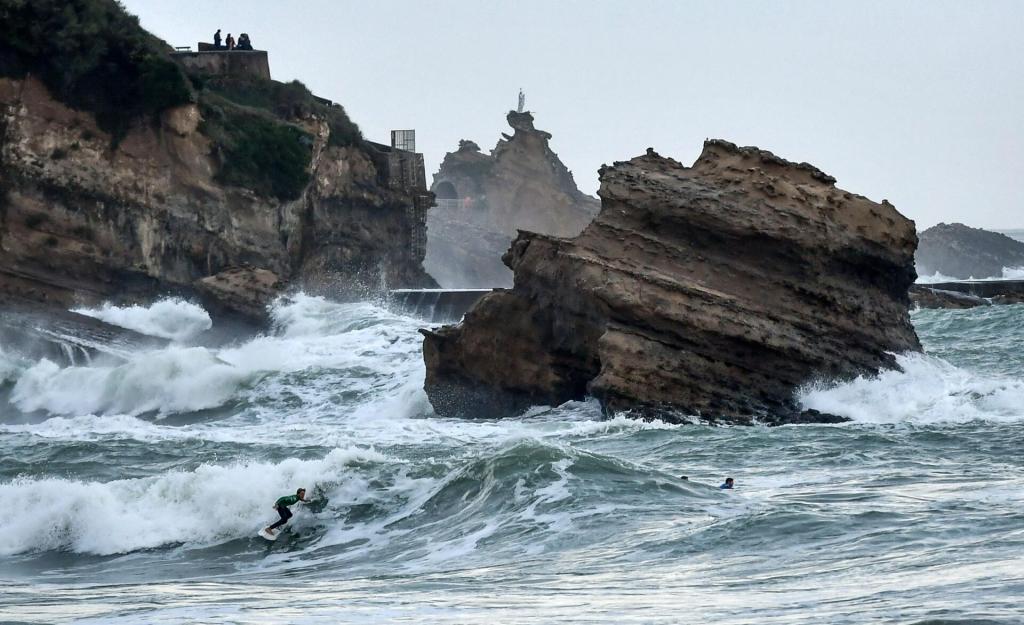
Biarritz had been our nearest seaside resort and a late-comer to surfing. The sea may look placid here but the waves were robust enough for the French Surfing Championships held just after we had left. The G7 countries met in Biarritz but we were not permitted in the town unless using officially approved coaches. When Boris Johnson went for a swim his protection detail accompanied him on a surf board (today’s useless fact). It’s not recorded if the officer carried a waterproof sidearm; a speargun might have been more practical.
Biarritz Beach
Calm then, but it was a different picture after last year’s storm
(Le Monde: Photo by GAIZKA IROZ / AFP)
It was a Californian, Dick Zanuck, who is said to have introduced surfing to Biarritz. He had bought a board with him to test the Basque waves while he was here in 1956 filming Hemingway’s novel ‘The Sun Also Rises’ . The book, although recognised as a classic, was originally banned in several countries because of ‘profane language’.
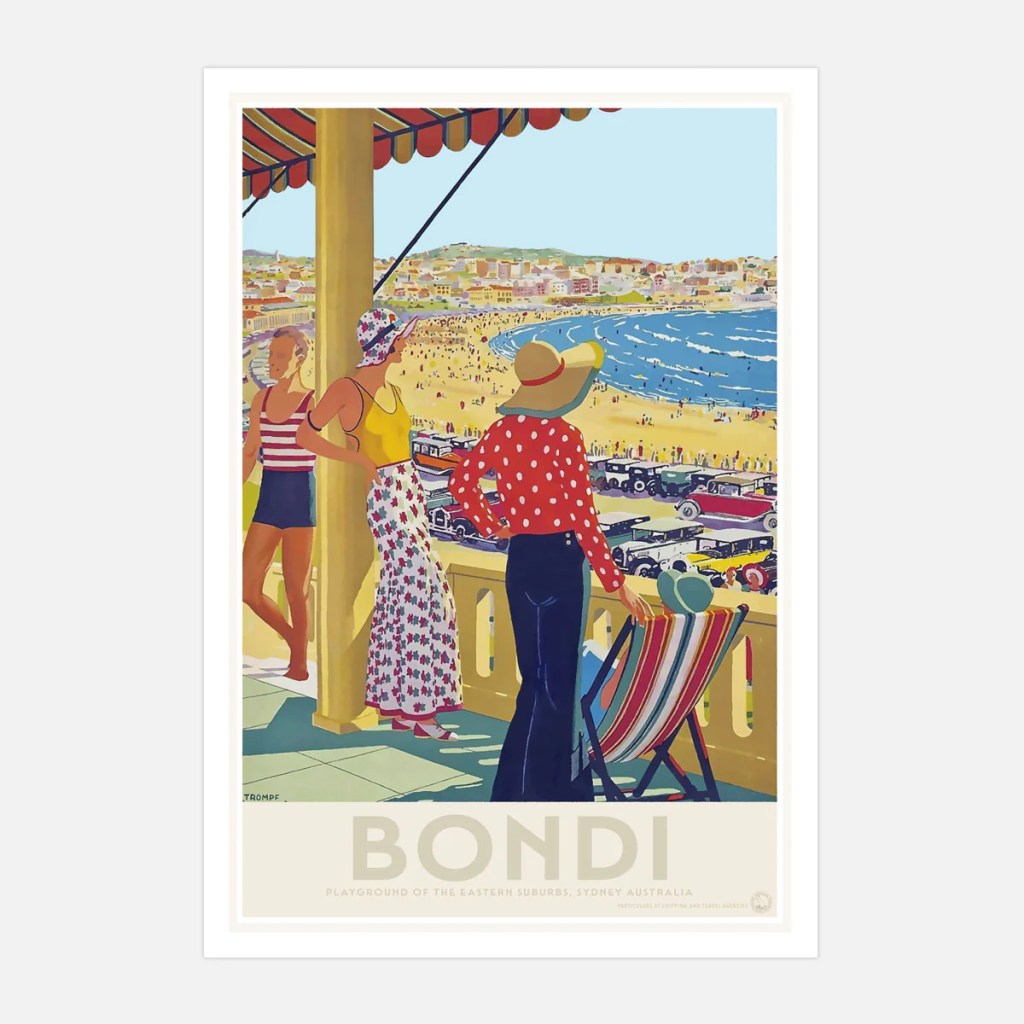
Bondi, our destination, boasts a kilometre long beach that produces world-class waves, making it popular with surfing enthusiasts; but it’s Freshwater, near Manly, that has the distinction of being the first place in Australia to popularise board riding. In 1915 Duke Kahanamoku demonstrated this ancient Hawaiian technique before an enthralled audience. Reputedly a minor Hawaiian royal he is better remembered for winning three Olympic gold medals for the United States; in the water obviously.
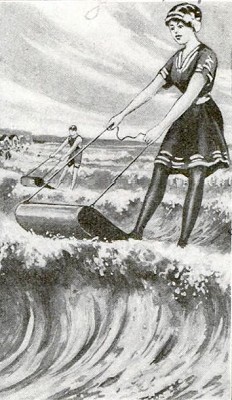
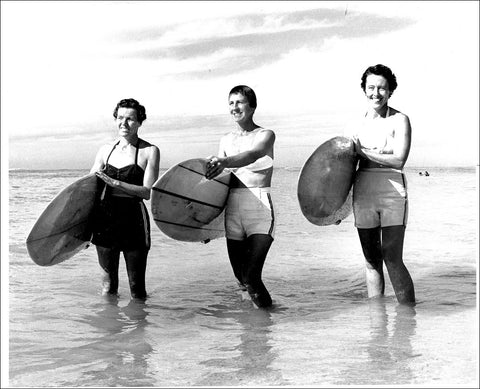
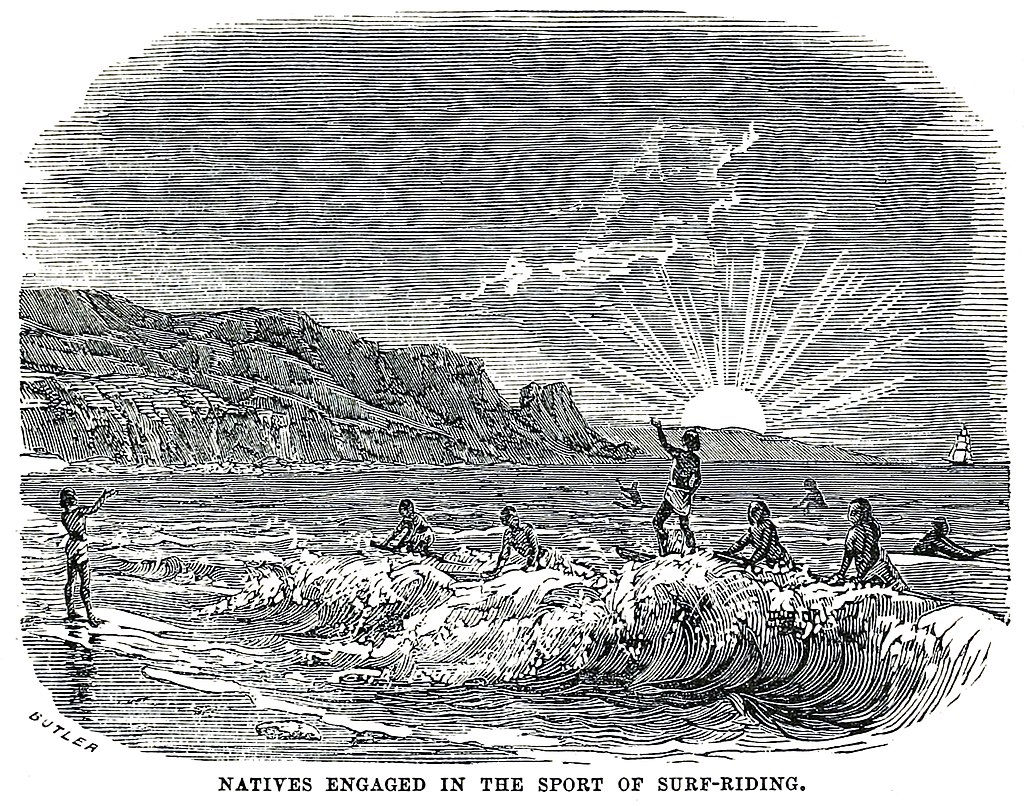
Surfing might seem to be a sport dominated by men, but that is a fallacy. Last century a board, said to have been used for surfing, was discovered in the burial cave of an Hawaiian princess who lived in the 17th century. An early print later in this post shows both sexes enjoying the sport.
A Summer Surf-boarder, 1912.
Well, within a week, Madame and I had exchanged one surfing paradise for another, but at the other end of the planet.
bungalowgraphics.com (Charlie Adam)
Courtesy of: placesweluv.com.au
Historically boards would have been basic; little more than a roughly shaped piece of wood that could float, like a present day hand board without the strap.
Long boards are thought to have been invented in ancient Hawaii; usually made of wood from local trees and were extremely heavy. Present day boards use modern, light materials.
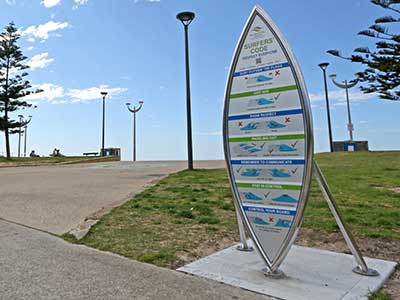
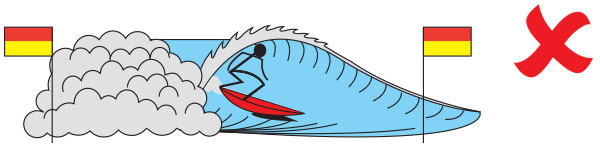
To a casual visitor to the beach surfing might seem to be a disorganised sport. It isn’t; local councils issue rules of etiquette for those riding the waves.
Randwick City Council
Between the flags is for swimmers
To put a date on surfing as a sport is problematic. Petroglyphs, or lava rock carvings, were etched into stone centuries ago by native Hawaiians. Their true meanings are unknown, but are generally thought to be records of births and other significant events in the lives of the islanders. Certainly, by the time Europeans arrived, riding the waves was well established.
Photo courtesy of Hawaii Magazine
With the European and American traders came the missionaries. A few, more enlightened, realised there was the danger of unsettling what was the natural order of things as far as the inhabitants were concerned. Some fought, vainly, against forced labour in the plantations or mines on the islands.
For the missionaries, here were souls to be cured; not only were the natives naked but they were, as illustrated above, indulging in debauched practices; well, that is how the missionaries saw it. Plainly this could not continue. In the interests of ‘decency’ everyone had to be clothed, even very young children. This was detrimental in the long run as the clothes were rarely washed or dried, or even changed, so they became dirty and insanitary. Healthy bodies were replaced by sickly ones. ‘The local people had quickly understood the link between disease and the white man’s arrival by sea’
(‘One fine Day’ by Matthew Parker).
The population of the Pacific Islands was decreasing and would continue to do so.
Needless to say, riding the waves was now forbidden.
Now for something lighter.
If everybody had an ocean Across the U.S.A. Then everybody’d be surfin’ Like Californi-a
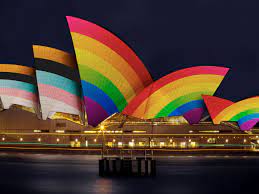
What does Pride mean to you? The 2023 Mardi Gras Parade?
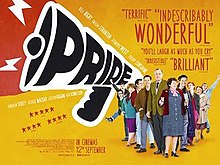
Maybe it’s the 2014 film Pride, when a group of LGSM activists raised money to help families affected by the British miners’ strike in 1984.
But why the red carnation? Because it’s a symbol of pride. I say a symbol because the few readers of these posts could come up with other flowers denoting pride. It’s also the national flower of Spain (today’s useless fact). Different colours are significant for many reasons. Take the green carnations notably worn by Oscar Wilde and those close to him in 1890s London. Then there is white for purity and for Mother’s Day; not everywhere though. Here, Down Under, Chrysanthemums or ‘chrissies’ are regarded as the traditional Mother’s Day flower because they end with the word ‘mum’. Believe that if you like, but it may be because they are abundant in early May?
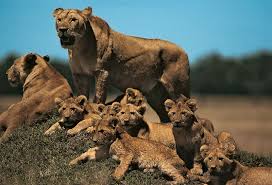
Were you to ask half a dozen unconnected people what Pride signified for them you’d likely end up with six totally different answers. You could stay with nature:
( A pride of lions courtesy Encyclopaedia Britannica)
At a mundane level it could simply stand for its acronym Personal Rights in Defense and Education, the organization formed in Los Angeles, California in 1966 by Steve Ginsburg.
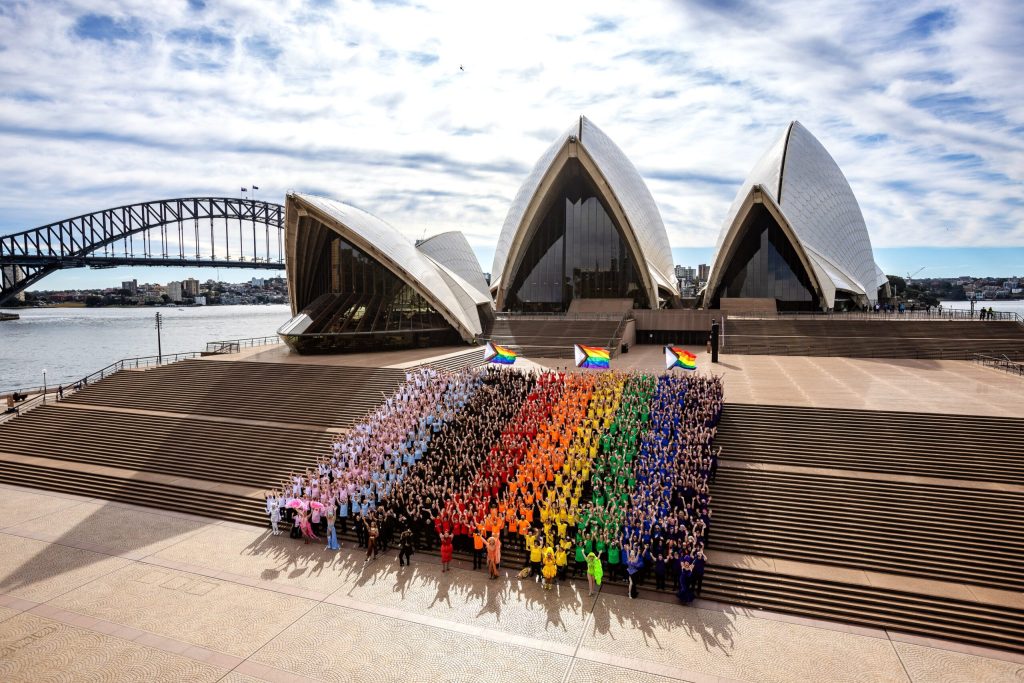
For many in this corner of the world it would be the iconic Sydney Mardi Gras Parade held last February. It was the first time the parade had returned to the streets of Sydney since the beginning of the pandemic. More than 12,000 marched, walked and danced their way down a packed and festive Oxford Street.
Courtesy Daniel Boud: Human Progress Pride flag
Not so well advertised was the exhibition overlapping the parade. Time Out magazine had this to say: Following a renowned five-year-long world tour, Fleurs de Villes, the whimsically splendid, bespoke flower show that has taken floral folks by storm from Edinburgh to Miami, returned to Sydney’s Royal Botanic Gardens but, this year, with a distinct pride-esque twist.
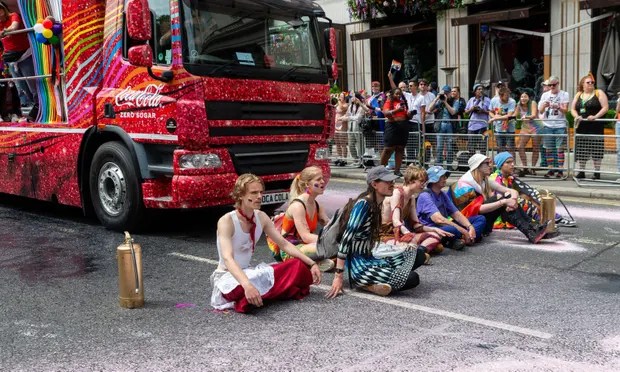
Rainbow-coloured umbrellas were in evidence in London, where a million flocked for the first parade since the lockdown. The festive parade was marred only by the demonstration by Just Stop Oil. Good advertising for Coca Cola though.
Today’s grammar lesson: An abstract nounis a thing that we can’t see, feel, smell, touch or taste i.e. PRIDE, which is what this post is about. A few years ago a report from the Australian National University found that 90% of Australians had pride in their country, especially for achievements in the arts, sciences and, unsurprisingly, sports. The report begged the question as to who gets to be Australian. To try and answer this question would be to open a can of worms and is not the intention of this post. The Guardian (Australian edition), which seems to reflect accurately the state of the national psyche, said a few years back that ‘National pride in Australia is abstract at times and distracts from important issues….. Australians have become too concerned with creating proud Australians and have stopped focusing on what it actually means to be proud.’ There you have it.
Courtesy pixabay
But, financial uncertainty has affected national pride and sense of belonging in Australia, according to the ANU. The COVID glow that made this soar is fading as economic uncertainly unsettles Australians’ confidence. For Madame and me this has manifested itself in an unusual way. When we arrived Down Under the bank interest rate was at an historical low of 0.10%. In May it was raised to 0.35% per annum – their first rate increase since November 2010. Today it is 4.1%. We were looking at property with a view to buying, but there are so many government imposed restrictions that this is on the back burner, but more about those in a later post.
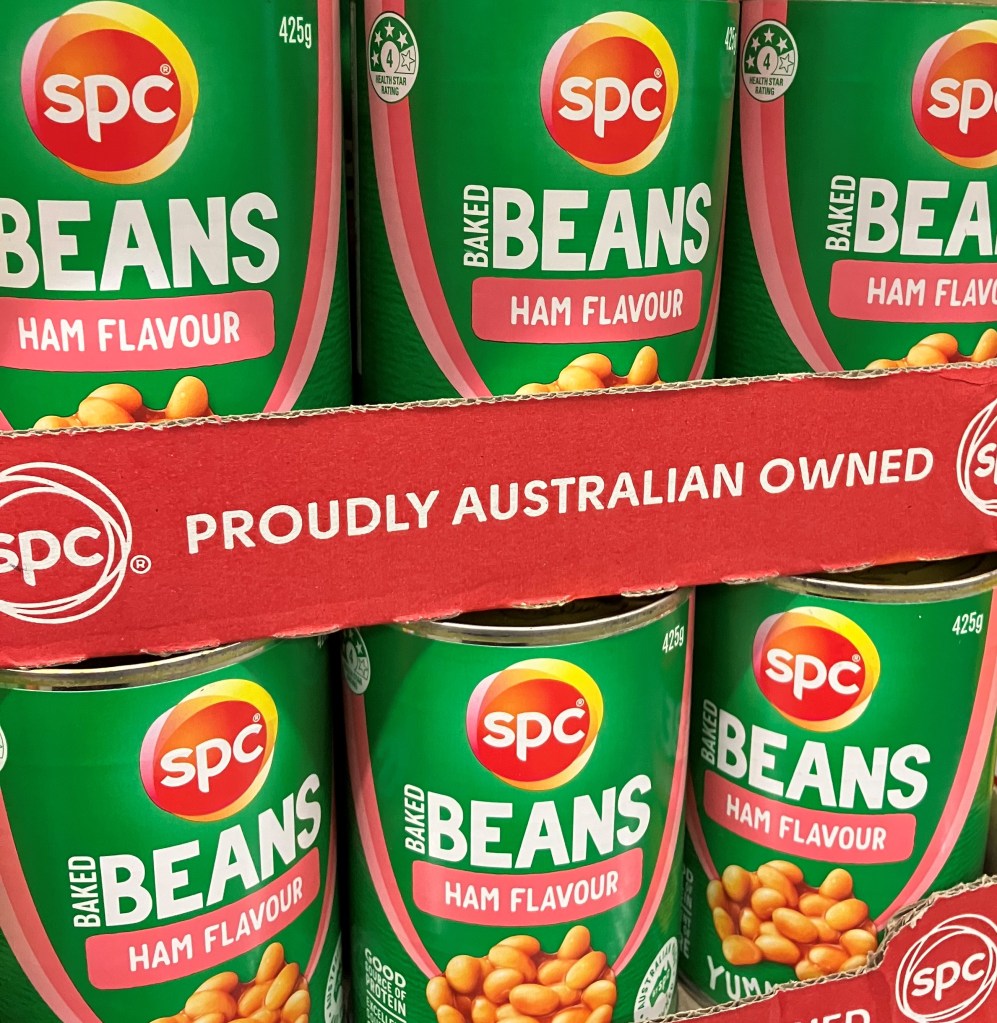
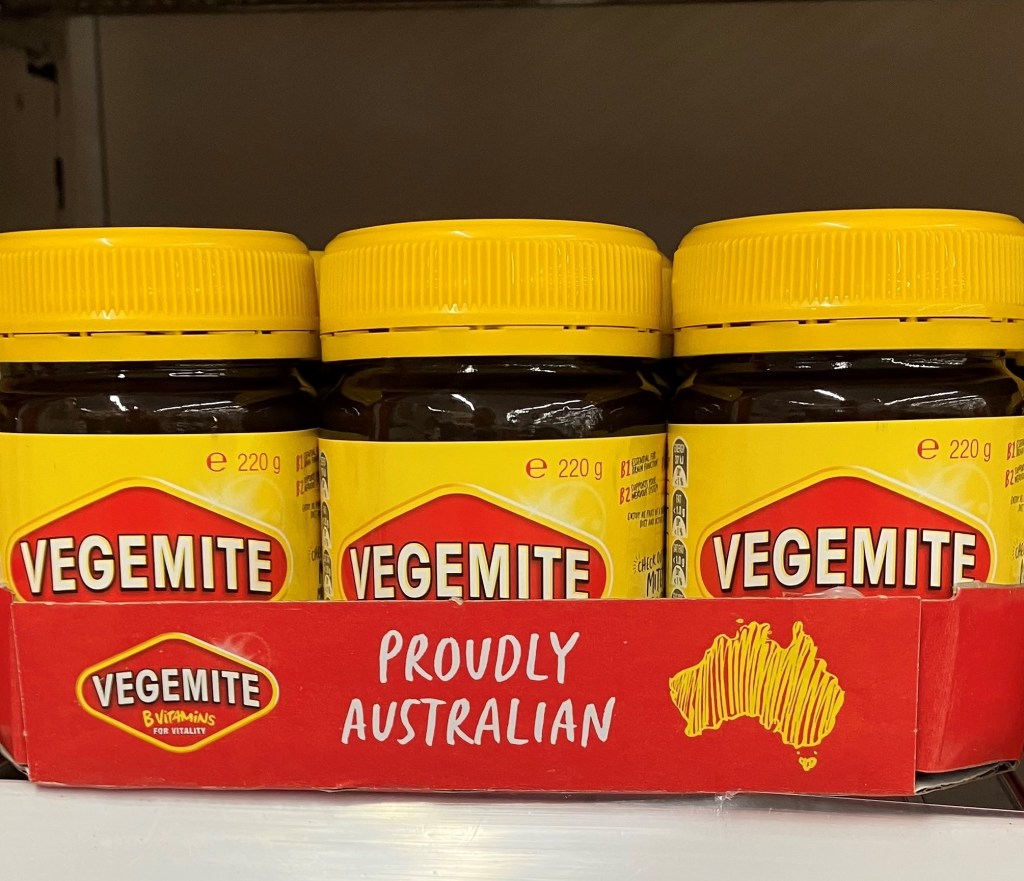
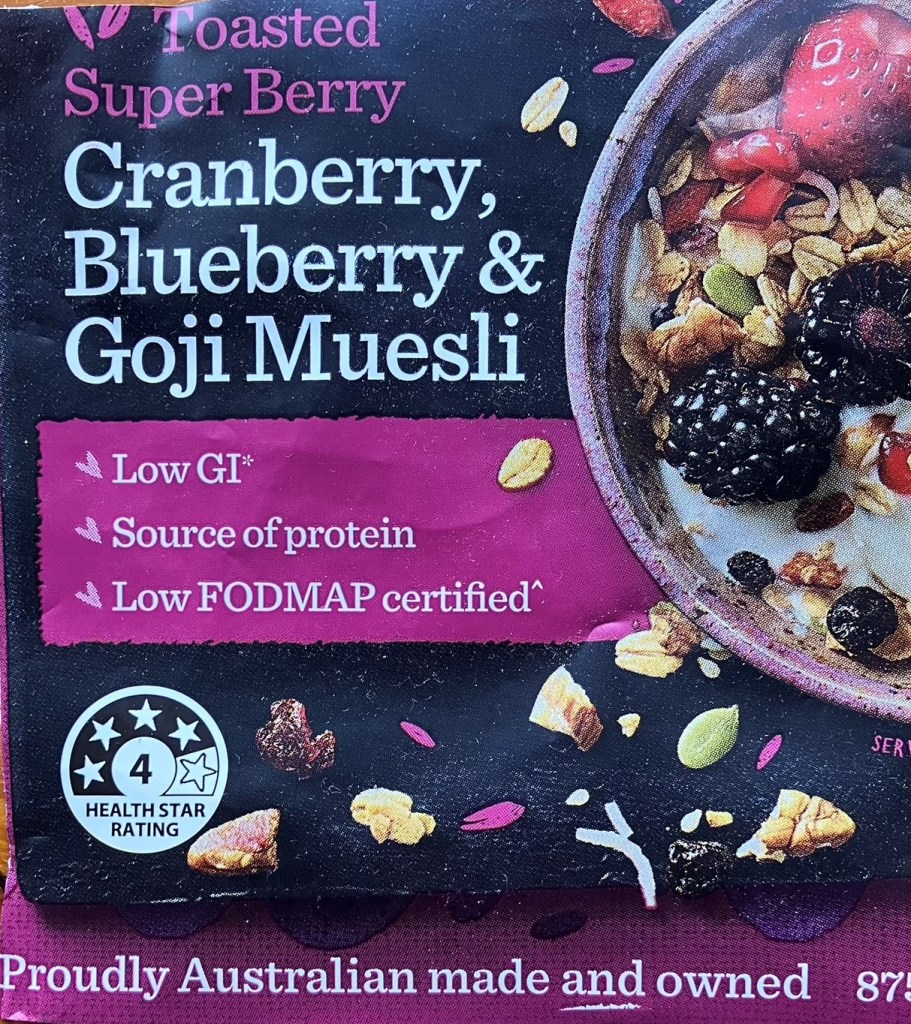
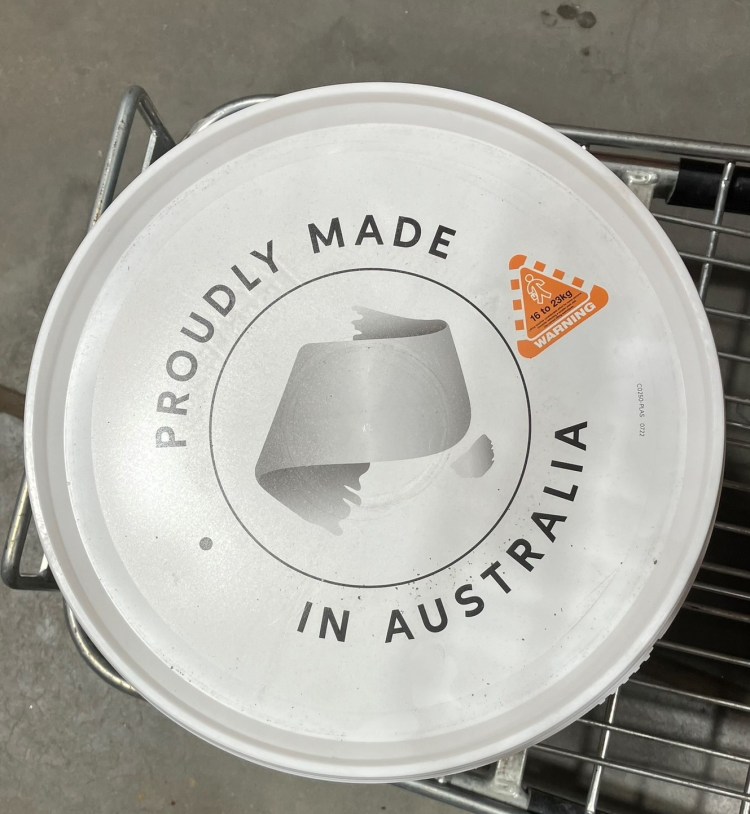
Our on-line searches showed that the majority of estate agents started their sales pitch with ‘We proudly present this beautiful family home…….’ or something along those lines. Occasionally they proudly ‘represented’ a property. Does that mean that the first sale had fallen through? It’s confusing: are they representing or re-presenting and does it matter? Interestingly, as interest rates have risen so has this type of presentation dwindled, but pride has not vanished from the supermarkets……
nor from the farmers…..
……….and dairy farmers……………
Wasn’t sure about this one, but this is what the company says: ‘Each box of Kellogg’s Corn Flakes begins with corn sourced and grown on Aussie farms, prepared at the mill and transported to our factory in Sydney.’ That’s all right then.
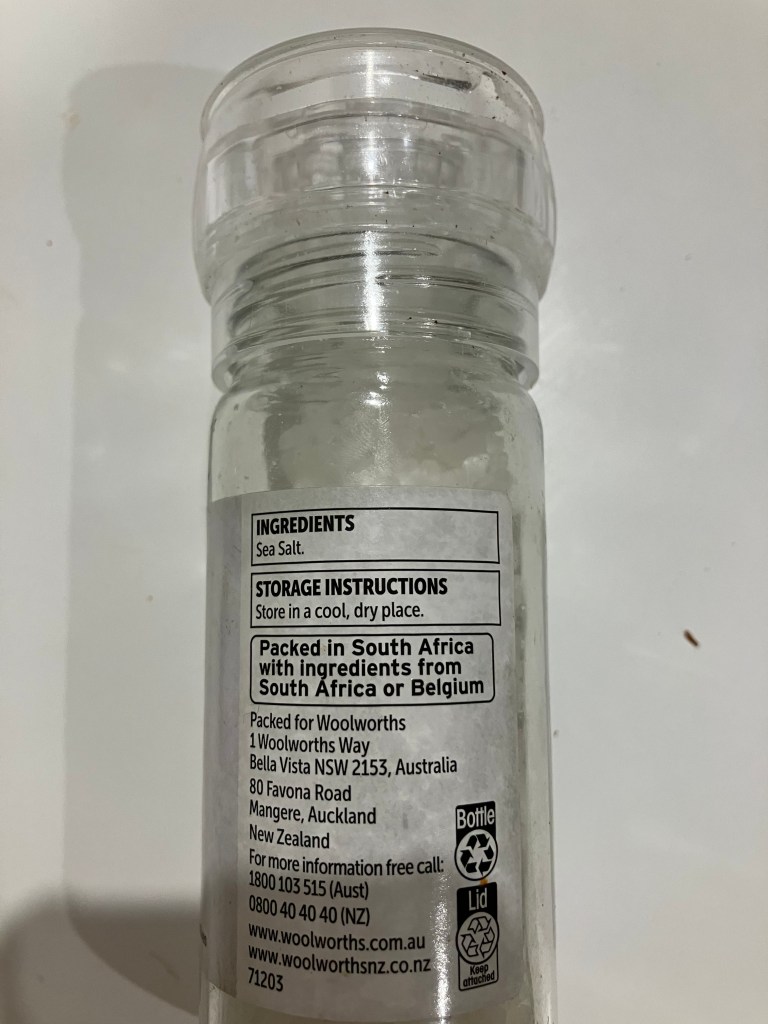
Our local Woolworths stocks a range of salt from Southeastern Australia. Murray River Salt is a proud, family owned and operated Australian small business refining and marketing natural pink salt.
even manufacturers of paint brushes are proudly Australian owned……….
… and so on until you’re hard pressed to find something Australians are not proud of!
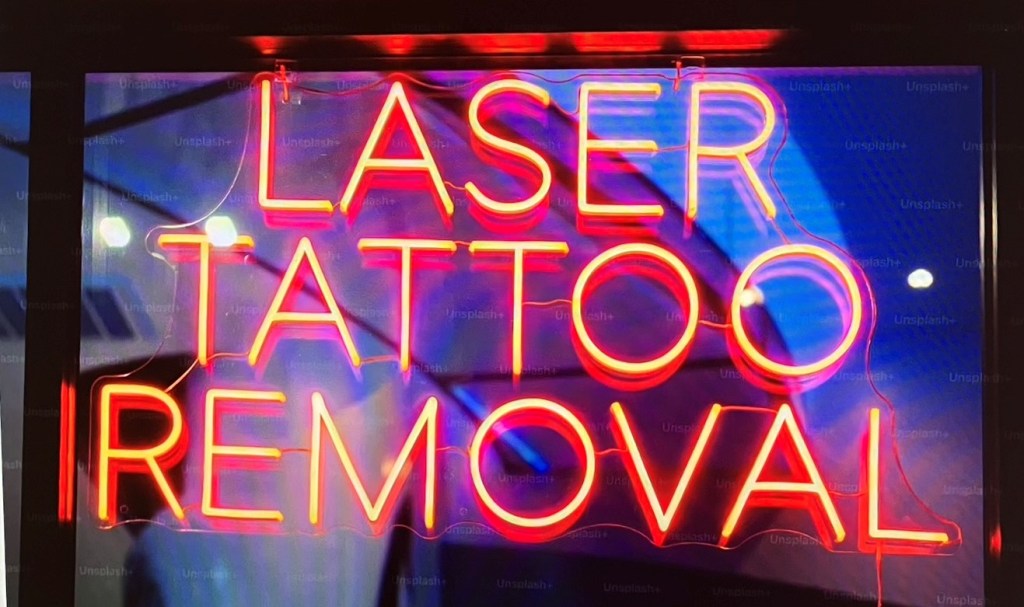
Don’t you think that shopping malls have a ‘sameness’ about them? Our local Westfield probably has a similar layout to those in New Jersey or the Netherlands or the other 32 sites worldwide. One shop that has opened in the mall near us is, as you have guessed, for removing tattoos. Why have them done in the first place only to have them erased later? There’s no one solution to that question, but we’ll try to give some answers later.
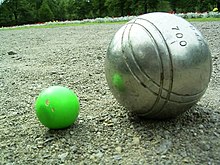
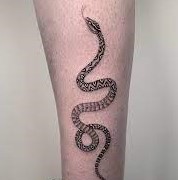
When Madame and I lived in what one family member ungraciously called the ‘arse end’ of France we played in the annual village petanque competition. One particularly sultry day we were drawn against two strapping farm workers who we were clearly not going to beat. One had a snake crawling up his leg, disappearing up his shorts, to who knows where? (apologies to the owner of the leg on Wikimedia Commons)
It was unusual that there actually was a tattoo in our small village. This corner of the country is predominately Catholic, with a capital C. In the revised Catholic edition of the Bible it states ‘You shall not make any cuttings in your flesh……….or tattoo any marks upon you: I am the Lord.’ (Leviticus 19:28). Taken in context it really refers to markings that expressed devotion to a false god.
On this occasion Pope Francis said people should not fear tattoos and that young priests could use them as a talking point to encourage dialogue. No more guilt there then.
Jeremy Clarkson, never one to suppress his opinions, said that he couldn’t see the point of a tattoo at all and that, despite Sir Winston Churchill’s mother having a snake round her wrist, there was a time when a tattoo would demonstrate that you had been in the nick or the navy, but now pretty much everyone has one.
Remember him?
Whatever your views on the subject it has to be admitted that some tattoos really are works of astonishing skill; take this one from the British artist Stewart Robson. Looks like the real thing.
History tells us that the lower deck adopted the tattoo craze when Captain Cook arrived in the Pacific Islands where the practice had existed for centuries. The word tattoo is Polynesian and, so we’re told, is the sound made by the little wooden hammers that the islanders use to puncture the skin. (“tatau” in Samoa and “tatu” in Tahiti). Well, the sailors apparently asked if they could be decorated like that and carried their tattoos back home. It wasn’t just the lower deck that adopted the practice. Admiral Lord Charles Beresford, according to legend, had a tattoo of the local hunt in full cry down his back, with the fox disappearing up the appropriate orifice. True or false? Hopefully only Lady Charles would have been able to verify that.
This tattoo of a semi-colon is in a class of its own; a simple explanation is that the wearer has overcome some hardship in their life,
Humans have marked their bodies with tattoos for thousands of years. These permanent designs—sometimes plain, sometimes elaborate, always personal—have served as ornaments, status symbols, declarations of love and signs of religious beliefs. It was a common practice among Roman slave owners to tattoo them so that they could be recognized quickly in the event of escape.
Photo credit: Metropolitan Museum of Art
Cleopatra was reputedly tattooed with henna, made from the leaves of the flowering henna plant, or Egyptian privet. It has been found on mummies, carbon dated to as far back as 3351 B.C.
If you had been walking in the Alps along the Austrian Italian border 5,000 years ago you might have met this man. Ötzi, also called the Iceman and named after the Ötzal Alps where he was found, had a total of 61 tattoos! Each group of tattoos is simply a set of horizontal or vertical lines. Microscopic examination of samples collected from these tattoos revealed that they were created from a mixture of fireplace ash or soot. They were made with a needle piercing the skin and then rubbing the pigment into it.
First Nations’ communities here in Australia historically didn’t use tattoos. Their rock art, which is abundant, provides a communal language and history. A Biripi man from the north NSW coast says “Scarification was used by my people instead; we used to mark the arms and chest with small nicks to show levels of education achieved and pass on food knowledge.”
This kangaroo below is now Australia’s oldest known, intact rock painting and has been dated to between 17,500 and 17,100 old. Such accuracy is astounding.
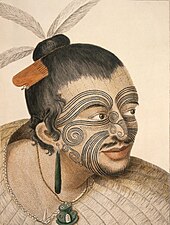
The Māori people of New Zealand did however practise tattooing. Amongst these were facial designs worn to indicate lineage, social position and status within the tribe. This is interesting in that they, also, originally came from the Pacific Islands as did the First Peoples.
A chief with tattoos seen by Cook (drawn by Sydney Parkinson 1769 and engraved by Thomas Chambers
So, how do you set about erasing a tattoo that is no longer needed? Prior to the development of laser tattoo removal methods an acid was applied that removed the top layers of skin reaching as deep as the layer in which the ink resides. Rubbing the skin with salt along with skin grafts, applying tannic acid, garlic and pigeon dung were other methods. Doesn’t that put you off?
Along comes laser treatment, but does it work?
Does laser tattoo removal really work? Clinics that use this method say yes, lasers can remove tattoos completely. In fact, lasers are the safest, most effective tool to remove unwanted tattoos. However, you may need to receive several sessions before the tattoo is removed completely and it will cost you. There is no shortage of clinics that are prepared to treat you, at a price.
Beware though; there are parts of your body where it is painful and/or dangerous to have tattoos.
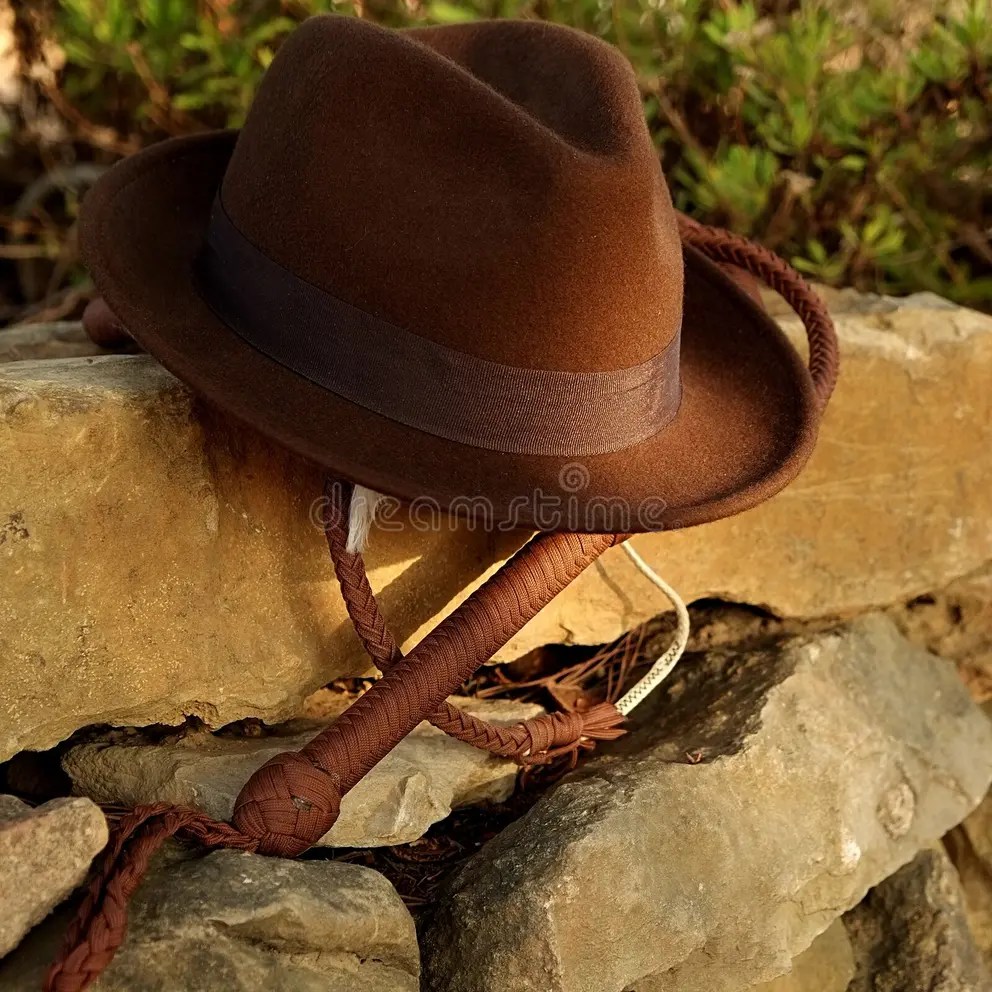
I’ll spare you the first, for obvious reasons. The second clue is in Raiders of the Lost Ark.
Well, Madame and I are off to see the latest Harrison Ford film at our local cinema.
I’m on my way I’m on my way Home sweet home Yeah, I’m on my way Just set me free Home sweet home
Have you heard of Mötley Crüe? Maybe not. They’re an American heavy metal band who’ve been around for four decades and who will be touring Australia from November. Why choose them? It was the logo that was appealing.
There’s another Sheep Grazier Warning today from the Bureau of Meteorology. We don’t keep sheep and the few we have seen in a field near here have either been shorn or have skimpy fleeces. Either way they seem ill prepared for the icy winds that have been blowing across the Southern Highlands this week. ‘We did warn you’ said friends in the Northern Beaches before we moved here. (8C early morning at Bondi and -3C here today; the chill factor makes temperatures seem even lower). We are just a little envious of houses with wood burning stoves. Looking at properties to rent last summer they did not seem a priority, despite the agent saying we would be glad of one.
When we first arrived in Australia Madame and I lived on the edge of Ku-ring-gai Chase, the home for thousands of years of the Darramuagal or Darug people. There are several hundred sites here showing the rich cultural heritage of these First Nations people. They include rock engravings, burial sites, axe grinding grooves and other places that show evidence of occupation. Early settlers used the term terra nullius meaning ‘land belonging to no one’. No comment.
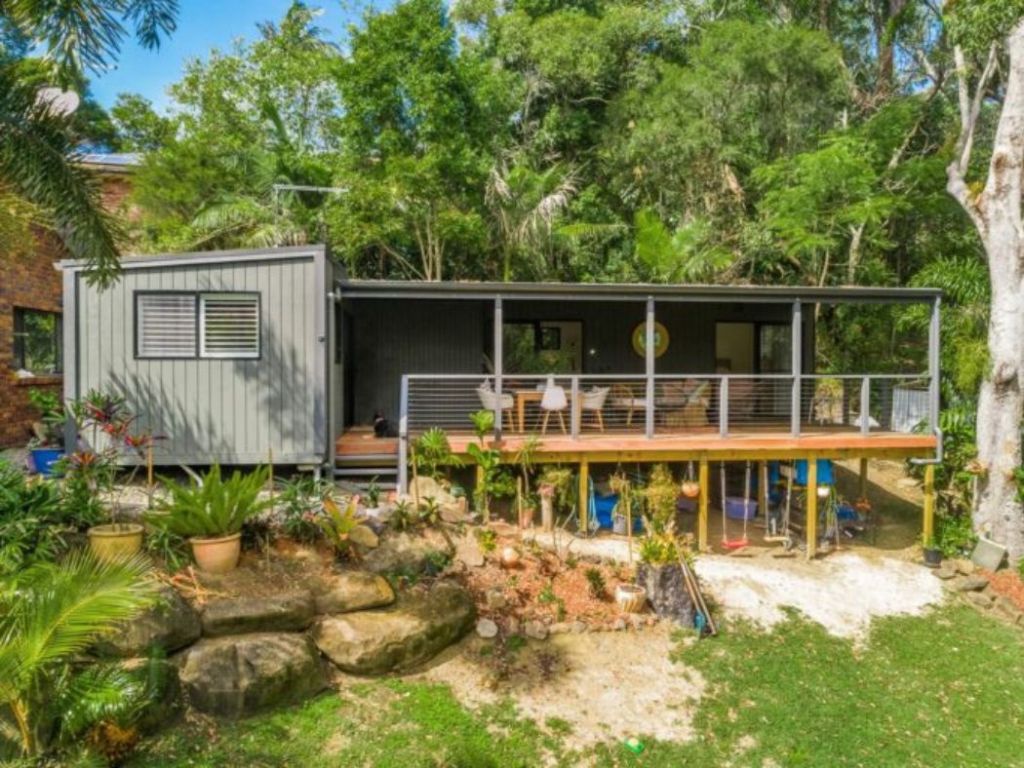
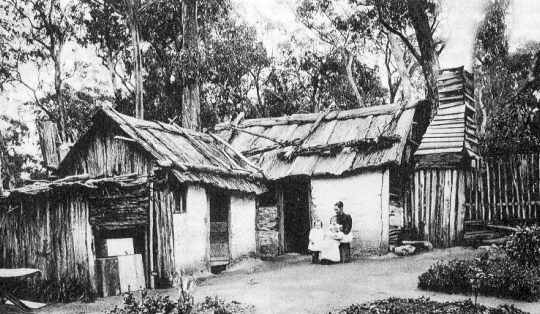
A humpy: also known as a gunyah or wurley, is a small, temporary shelter traditionally used by First Peoples. These impermanent dwellings, made of branches and bark, are sometimes called a lean-to, since they often rely on a standing tree for support. It’s now considered a slang word and little used. Apologies to Humpy Co. manufacturers of up-market garden dwellings, granny flats and ‘tiny home alternatives’.
So, what is your home sweet home built of? (Tricky one this, but the dictionary says it’s more correct than ‘built from‘. (Today’s useless fact).
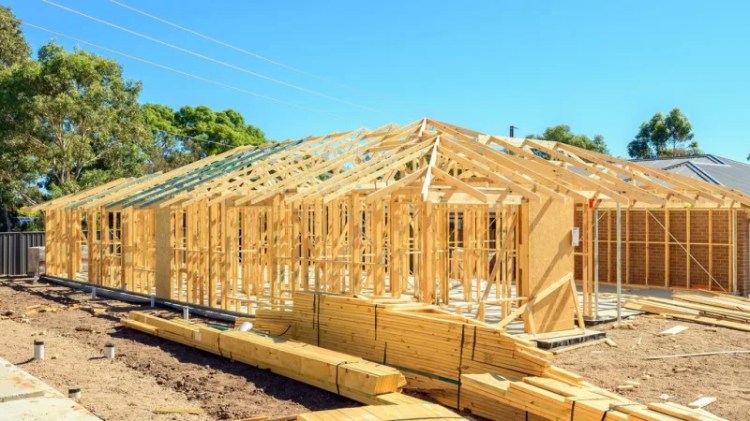
Madame and I have progressed from flint and brick in East Anglia, to double brick with insulation (bricks courtesy of York Handmade) then stone in the PaysBasque and now timber framed with cladding Down Under. There’s been no shortage of wood here, but forests eventually run out of trees unless they’re replanted. The UK is an example.
Timber has been used to build homes since humans could construct them. Many villas (bungalows to you) in Australia are built with a wooden framework and with interior stud walls, which are adequate until you try to hang heavy pictures. Unless constructed by reputable builders, using seasoned and treated wood, there can be problems if the timber shrinks, swells or twists. Don’t forget termites either. Our neighbours in the French Pays Basque discovered a pile of fine wood dust hidden behind the main pillar holding the property up. This is a building dating from the 1700s with stone walls at the base a metre thick. The timber was oak but the entire pillar had to be replaced or the roof would have collapsed.
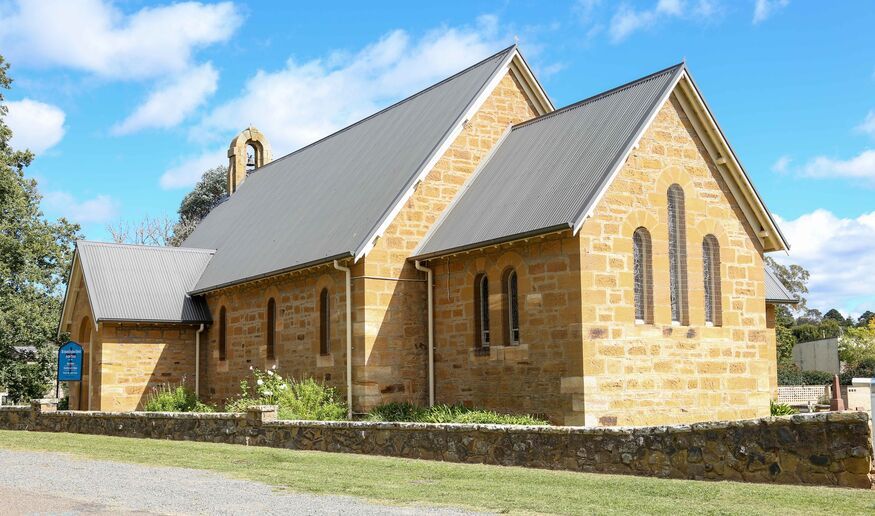
We’ve not been there, yet, but we’re told the majority of homes in Perth are double brick, meaning two skins of brickwork, probably with insulation between the two. Much more sensible but more costly. There are stone buildings in NSW outside Sydney and the major towns- including two locally constructed with attractive sandstone: the Anglican church at Sutton Forest and the Catholic church at Moss vale.
These were the beams in the attic of our maison de maître in SW France – sturdy oak or chestnut that have been there for two centuries and could still be there in two hundred years’ time.
In rural Europe peasants lived in simple huts made of wood. It was easier and cheaper for the poor to build them instead of using stones. In any case stone tended to be the preserve of the rich. The walls of these wooden houses were built of timber frames and were covered with wattles, woven lattices of wood strips daubed with a sticky material usually made of some combination of wet soil, clay, sand, straw and animal dung; not too fragrant on a hot summer’s day?
Wattle and daub house at Hill End, NSW (State Library of NSW)
The first gold rush in Australia began in May 1851 after the prospector Edward Hargreaves, with others, claimed to have discovered gold near Orange. The ‘diggers’, as they became known, had to have shelter, but these were often temporary wooden dwellings because prospectors were regularly on the move, chasing the latest strike.
More of a family home
This is a slight improvement and known as a ‘slab’ house
Back to the UK and an even more sophisticated construction known as a cruck house. The inverted V shape means the roof load is carried directly to the ground,
A barn at Leigh Brockamin
The wealthy made good use of the abundant oak and beech forests in Europe and constructed some remarkable buildings using the wattle and daub technique.
Speke Hall is a wood-framed wattle and daub Tudor manor house near Liverpool. It is one of the finest surviving examples of its kind and is owned by the National Trust. Best not to get involved here over the previous owners’ links to the slave trade. The N.T. really got the bit between its teeth over slavery, so much so that many members cancelled their subscriptions and told the organisation to concentrate on its properties and not get involved in politics.
For too many years, wood had been used for building, heating, making charcoal and for building ships. Henry VIII (he of the six wives) was an enthusiastic shipbuilder, whose pride in his fleet would see it grow from 5 at the start of his reign to 58 by the time of his death. While he may have had many ships, it is the Mary Rose that is remembered as his favourite; launched in 1511 it weighed in at 600 tons. That’s a lot of oak. Regrettably she sank, reputedly in front of Henry, but we weren’t there so it’s only hearsay.
Courtesy of History of the Mary Rose
Cardinal Wolsey wanted to create a grand building where he could host not only King Henry and the royal court but also monarchs from across Europe. Investing huge sums of money, he created the magnificent palace of Hampton Court. This is not the place to get too involved with Tudor history, and how Henry ‘acquired’ the building, but it is one of the most famous buildings in the world, constructed of brick – 28 million of them in this case!
While we were living in France we paid a visit to Toulouse and Albi, the birthplace of Henri de Toulouse–Lautrec; many of his impressive paintings featured the inhabitants of the local brothel. Enough said on that. If you’ve read the novels of Kate Mosse you’ll be familiar with the history of Toulouse in the 13th century, the Cathars and the Albigensian Crusade. It was after this that work commenced on the cathedral. Begun in 1282 it was under construction for 200 years! The grim exterior resembles a fortress, but the interior is lavishly decorated with art and sculpture, a very ornate choir screen, and walls in bright blues and golds. It is claimed to be the largest brick building in the world, hence its inclusion here.
In the Bois deBoulogne 1901
Bricks are, without doubt, one of the oldest known building materials. They date back to 7000BC where they were first found in southern Turkey and around the city of Jericho. The first bricks were sun dried and made from mud. The Romans introduced bricks to Britain but their use declined when they departed. In medieval times, bricks were made by workers kneading the clay and then placing it in wooden moulds. Excess clay was wiped off and the brick shaped clay was removed from the frame.
Brick buildings are not common in Australia but timber framed are. However, there is a strong argument for using steel instead, particularly in a country where termites and humidity are common concerns. Steel frames are strong and fire resistant. A frame provides the structure around which your house is built.
A few years ago a Liberal MP claimed on TV that poorly heated homes caused more deaths in Australia than in Sweden, despite our milder winters, because “we don’t have adequate heating in our homes.” Well, this unleashed a torrent of surveys, some supporting him and some refuting his ideas, but it was admitted that Australia lagged behind when it came to insulating homes. The Guardian (Australian version) didn’t mince words:
Australian housing leaves a lot to be desired in terms of comfort and energy. Single-glazing is still typical, whereas in Sweden double-glazing has been required by building codes since 1960, with triple-glazing now the norm. Australian homes are leaky too. For many of us, we are paying thousands of dollars a year to heat our homes, only for this heat to escape straight through gaps in the walls. The impact of this? Sky high bills for a start.
Our present rental, about normal size for a suburb, in a quiet, leafy area and well-maintained, is a case in point. The main bedroom (master bedroom in estate agent speak always sounds pretentious) has single glazed windows, 7.5 square metres in total. The two main living rooms have sliding doors adding another 12 square metres! That’s a lot of glass to let the heat out!
Ah well, it’s the shortest day today, so roll on the summer.
Don’t be put off by the title. It just happens to be the heading of a report produced last year by a meteorological office. Loosely translated it could mean ‘where is the weather going?’ Or, to put it more directly, what on earth is happening to the weather?
Today, in rural NSW, the temperature started at 10°C. This month is the equivalent of August in our previous life in SW France; a month when the country closed down for the summer holiday and tough luck if you urgently needed a plumber or electrician. Not a temperature to encourage you to have a day at the beach. Coincidentally, on the same day, 10°C was the high point for Madame’s sister near Paris; a welcome relief after -5°.
Add 20° plus 75% humidity and that was the weather here last week. Breathing was like inhaling through a towel soaked in warm water. Madame and I took ourselves off to the local cinema and its super efficient aircon. For two hours (with ads) we could cool down and enjoy what one critic wrote’ …. an enjoyable rom-com, which follows the story of two childhood friends, one of whom decides to go through with an arranged marriage back home in Pakistan.’ A UK tabloid dismissed ‘the flimsy narrative about Zoe (Lily James) being a wacky London gal who, underneath it all, just wants to snag her man! ‘
‘One mans meate is another mans poyson‘, said the English theologian Thomas Draxe, who was the first to print the proverb in 1616 in the form we now use. If you are a classicist then your money may be on the Roman poet, Lucretius, who is credited with coining (or just repeating!) the expression BC; “quod ali cibus est aliis fuat acre venenum” (what is food for one man may be bitter poison to others).
It was entertainment, for goodness’ sake. Madame and I enjoyed the colour, music and dancing (and aircon) even if the plot was rather weak. You can’t please all the critics all of the time. Who said that? John Lydgate, monk and poet 1370-1450, apparently. Adapted by Abraham Lincoln centuries later.
”You can please some of the people all of the time, you can please all of the people some of the time, but you can’t please all of the people all of the time”.
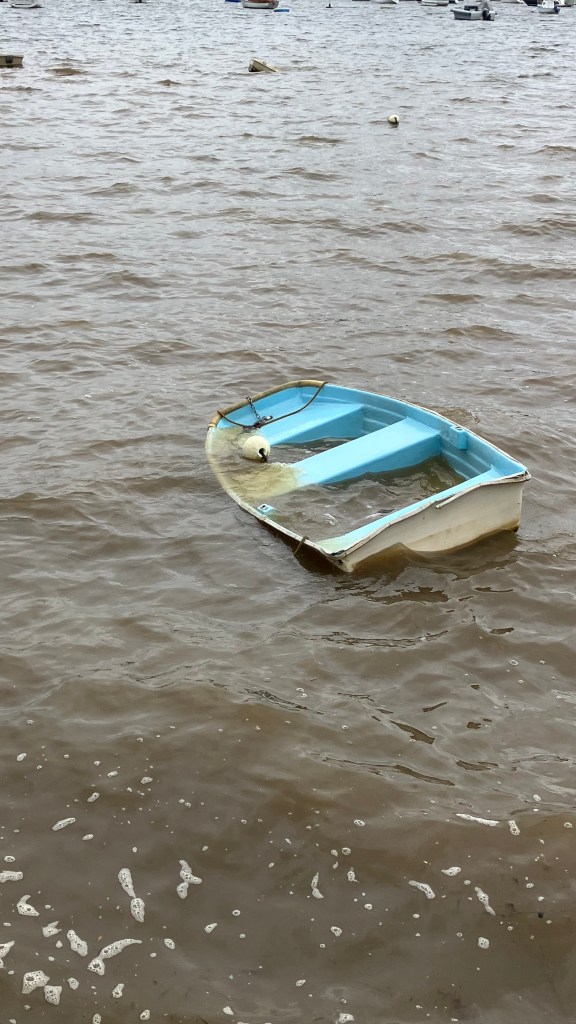
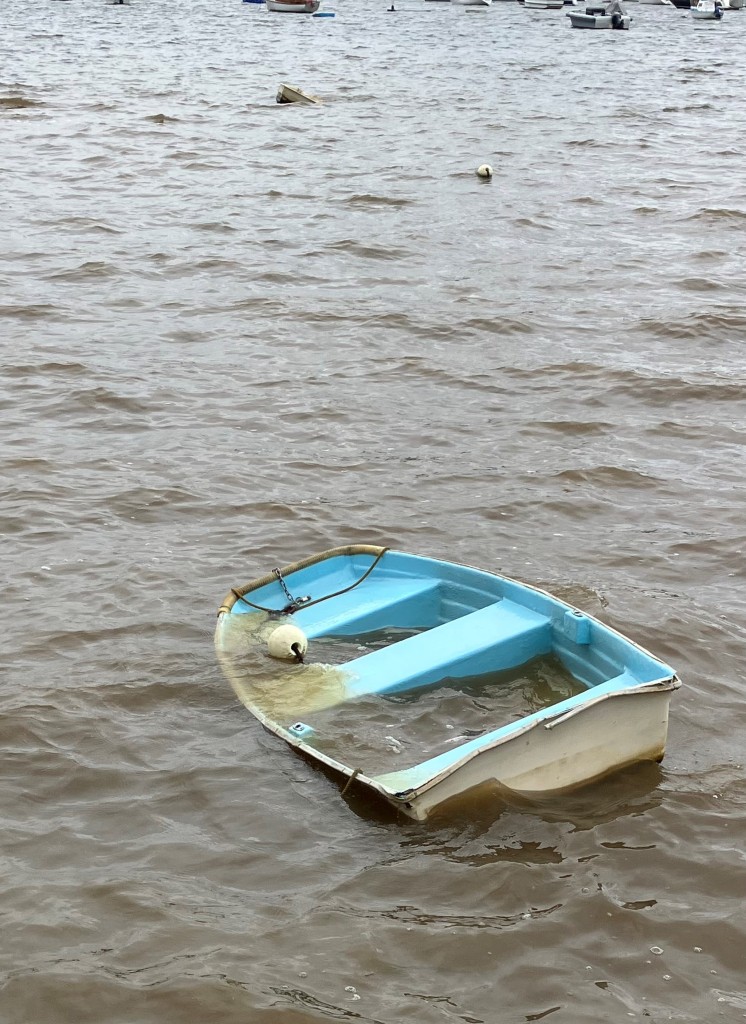
A previous post, last October (28. Rain, rain go away…..), was devoted to the rain and floods. 2022 officially became Sydney’s wettest year, as a record held for more than 70 years tumbled. This dinghy didn’t stand a chance and filled up overnight.
So, where does the blame lie for the erratic weather Madame and I have experienced during our year Down Under? A weather expert pointed the finger at a rare, third, La Niña year in a row, which meant rain fell on saturated catchments and exacerbated flood risks. (The name comes from the Spanish for “little girl”. El Niño, predictably, meaning “little boy”. Today’s useless fact.
Back to films. Our local cinema, open since 1915, is reputedly the oldest continuously running cinema in mainland Australia; its four screens can hold up to 560 people. For a rural town to have this facility now is exceptional.
But hard times hit the world of cinema as more and more people bought TV sets. Even the screening of well-known titles such as The Godfather didn’t stem the flow. So, 50 years ago (to the year) the local owners decided to take action. In 1973, the cinema was closed. The stalls were removed and the area turned into shops. Today, the largest one, fronting the main street, can offer you this, where you can spoil yourself (before or after the performance).
Inevitably the warm, glowing, popcorn fragrant foyer disappeared. The entrance now is down an insignificant alley that you can pass without noticing. Walk down this, in a side door, up the stairs and into the snug lobby and to a cordial welcome.
And the first film to be screened after the reopening?
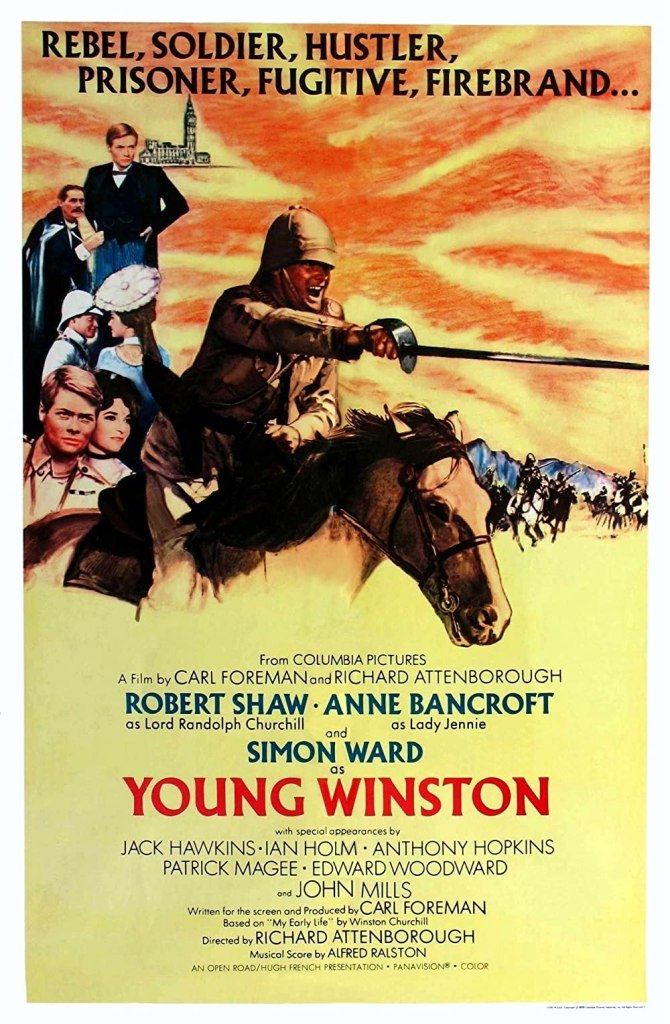
This was a long film, comfortably over two and a half hours. In those days you sat through a supporting film and the world famous Pathe News (and probably bought an ice-cream from the usherette). Pathe captured some remarkable footage. In 1913 the newsreel cameraman captured the dramatic scenes when suffragette Emily Davidson threw herself in front of the Kings horse at the Derby and also the death of Donald Campbell in 1967 whilst attempting to break the world water speed record.
Where did all this start? With the weather, of course, what else? Next post: Mardi Gras.
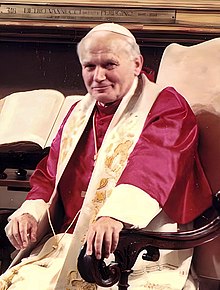
If we had told you that we were going to see a sample of the blood and some strands of hair of someone long dead you might think this at least bizarre and, at most, macabre. This is precisely what Madame and I did today, Saturday 22 October 2022. The occasion was the installation of the relics of Saint Pope John Paul II at St. Patrick’s Church, East Gosford, NSW.
(Relics:a part of a deceased holy person’s body or belongings kept as an object of reverence).
While this occasion might not be relevant to most peoples’ lives, for the 1.3 billion believers in ‘The One True Church‘ (somewhere in the region of 15% of the world’s population) it is significant. This post is not the place to become involved in world religion. There would be those among the remaining 85% who might dispute the words in italics.
The two relics were placed in a red reliquary, a special cabinet in other words; the flower display chosen to match the colours of the Vatican flag.
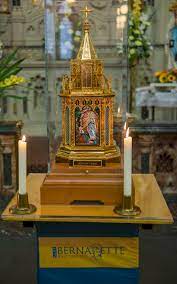
Coincidentally, today, the relics of St Bernadette of Lourdes, described by priests as a “celebrity” among Catholic saints, are on their first ever UK tour, starting at St. George’s Cathedral, Southwark. On a raised platform near the altar stands an ornate golden casket with its own spire and stained-glass frontage. Inside are fragments of bone and tissue taken from the body of Bernadette Soubirous, a French peasant who reported seeing multiple visions of the Virgin Mary in Lourdes in the south of France in the 1850s. Does rather trump a strand of hair and drop of blood.
Reliquaries became an art form, particularly in the early and late Middle Ages; beautiful examples are commonplace and appear occasionally at auction rooms, like the two below.
Reliquary of St. Thomas Becket. Enamel and gilt. Limoges, ca. 1190–1200.
Christianity isn’t the only religion in which relics are venerated. Islam and Buddhism also draw upon the spiritual connection that relics provide. Eastern reliquaries are found in buildings expressly designed around the relics, whereas Christian churches are built for worship first.
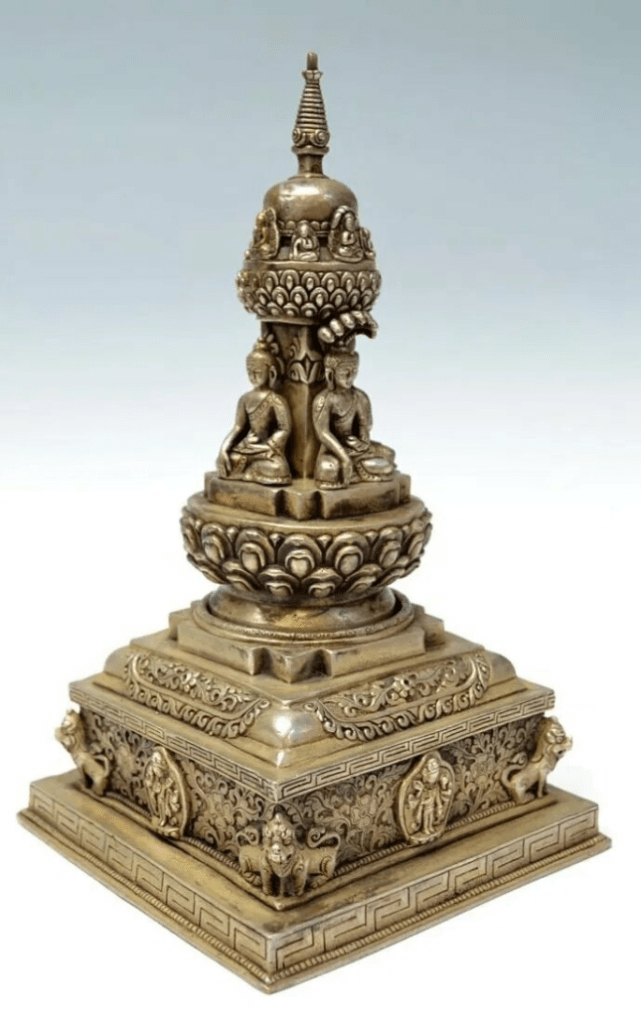
A Buddhist stupa designed to hold consecrated Buddhist relics
When Roman Emperor Constantine declared Christianity the official religion in 313, he also decreed that every church should keep a saintly relic. Churches, monasteries and convents were established doing good works, and gathering relics. Among them were bits of wood that allegedly belonged to the cross upon which Christ was crucified and nails that were believed to have been driven into his feet and hands. Cynically there are those who say that there are enough pieces of the original cross to make several of them.
So, this bright, light and impressive modern church has now been designated a Shrine. The official notification of this event said it would offer ‘pilgrims a form of devotion that is not common in the Australian context’. A shrine:
‘a place connected with a holy person or event where people go to worship‘
(Britannica dictionary).
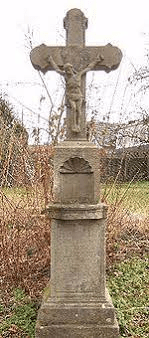
This is where it becomes confusing. In Old English a scrīn ( shrine) was a ‘cabinet, chest, shrine or reliquary, a repository in which a holy object or the relics of a saint are kept. Where we lived the Pays Basque, near the Camino, or Route de Compostela, you did not have far to walk to see a shrine, but this could just be a simple cross by the wayside; maybe not technically correct, but known locally as one.
The official communiqué of the installation also said that those ‘who attend the Mass are eligible to receive a partial indulgence….’ Now, here we are on precarious ground. In the Catholic tradition, there are two types of indulgences: partial indulgences and plenary indulgences. A partial indulgence removes part of one’s punishment or suffering, while a plenary indulgence removes all of one’s punishment or suffering. I will not attempt to explain further. Catholics will understand what it means.
This was open to abuse of course. In Chaucer’s Canterbury Tales, which I studied in the VI form, he recounts the story of the Pardoner who is a swindler, a smooth-talking cleric who offers pardons for sin in exchange for money (known as “indulgences” in the Middle Ages). He admits his hypocrisy, but his love of money and food override this duplicity. Pope Pius V abolished the sale of indulgences in 1567.
Back to the present. Why was Gosford chosen to install these relics and so become a Shrine? The answer is simple, although the preparation was immense. It was the work of the parish priest Fr. Greg Skulski, a Pole, as was Pope John Paul II. There is a strong Polish community in NSW and several Polish priests. The relics came via Ukraine, one week before the Russian invasion.
The forecast was for yet more rain and thunder, but the sun shone and the parish generously laid on a ‘sausage sizzle’ afterwards with sticks of assorted fruits to finish. Plus, not forgetting…….
…………come again another day. We want to go outside and play. Come again some other day’.
Well, it did and it did; go away and come again, that is. The previous post six months ago (was it really that long ago?) was about never-ending rain, wind and floods; the TV news tonight is more of the same. In fact, it seems that Sydney will have its wettest year since records began.
Heavy rain was not unusual where Madame and I lived in the Pays Basque region of SW France. No sooner had we bought our maison de maître in 2008 than it rained every day for six weeks. A few years later we were unable to reach our house because of flooding; rain was a fact of life and you accepted that.
No way home
No way at all
While the water dispersed quickly in the Pays Basque the same cannot be said of this part of Australia. A weather expert says that ‘The average temperature in NSW has been increasing since 1910 with extreme weather events such as heavy rainfall and storm surges near the coast. Drains get blocked by leaves and debris. Water volumes temporarily exceed the capacity of local outlets to cope.
Rough weather is not just a 20th century phenomenon, nor confined to NSW. The Great Flood of 1893 occurred in Brisbane, Queensland. Three times the river burst its banks, hence the name Black February.
This dinghy, row boat, whatever you like to call it, is unlikely to be on the surface tomorrow, not drowned by the waves but sunk by the volume of rain inside it.
3 days later
The fortunate ones
Pittwater, that picturesque estuary between the Ku-ring-gai Chase National Park and Avalon, has taken a battering. More locally, Brown Bay (one of many of that name) and doubtless christened by a worthy 19th century settler, lives up to its name. Rainwater pours off the hills of Ku-ring-gai Chase bringing with it soil and rocks and changing the colour of the sea.
Before
After
Pittwater and the Northern Beaches area was formerly known as Guringai country, the land of the Garigal or Caregal people. There are Aboriginal sites, including middens (refuse dumps), axe- grinding grooves, cave art sites and rock engravings. These illustrate the close relationship that Aboriginal people had with the land. More about that later.
Ku-ring-gai Chase
However, there are problems nearer home. Once they start, these potholes are hard to fill when the rain is so unrelenting. Unless you drive a large vehicle they do not improve the suspension. In the rain you can’t even see the holes! According to the press around 10,000 motorists have damaged tyres which they blame on the potholes.
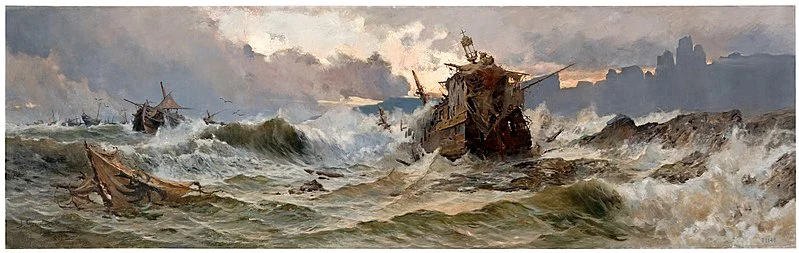
And the connection between a common nursery rhyme and this remarkable painting? It illustrates the conditions under which the Spanish Armada limped home in 1588. The rhyme, supposedly, recalls the defeat of the Armada, from the English point of view of course. Another version of the rhyme is ‘Rain, rain goes away, come again another day. That makes more sense, otherwise it’s hard to make the connection between the rhyme and the battle.
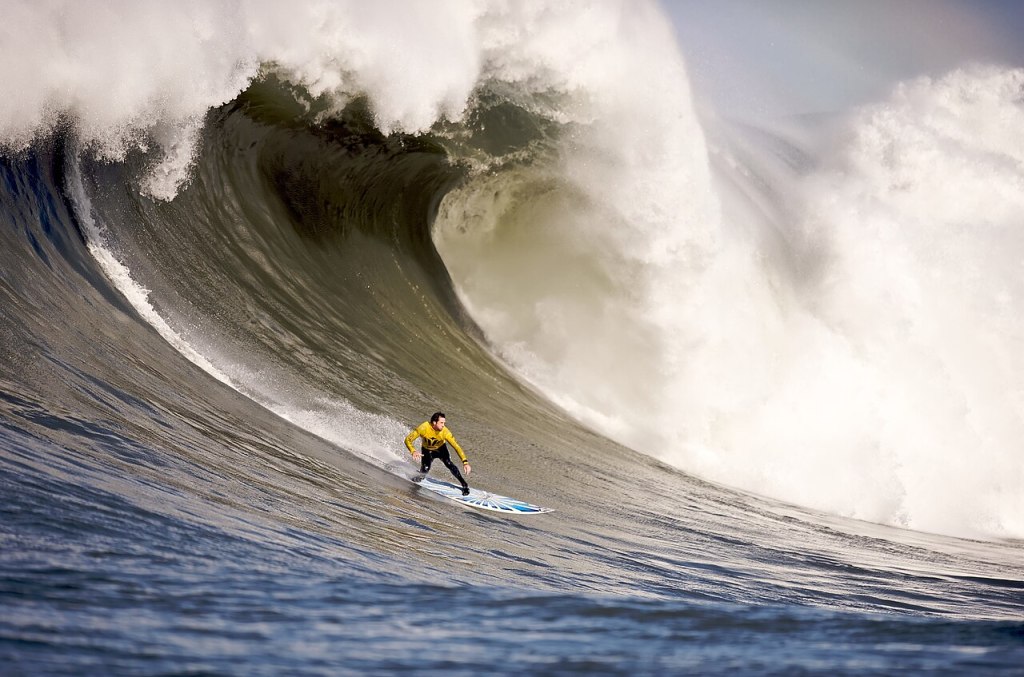
The few hardy surfers might find it exhilarating but loss of life and the damage paint a different picture in this ‘Premier State’. Since our arrival five weeks ago it has, apart from a week on the beach, rained, but not just ordinary rain. Forget ‘cats and dogs’ and stair rods’ this is tropical, vertical and unrelenting. Even in equatorial rainforests, where there is no dry season, you can expect average monthly precipitation of at least 60mm. Yesterday 100mm was recorded here in just 24 hours. Today 60,000 people have been ordered to evacuate the most affected areas of Sydney and drivers told to stay at home.
Today’s Daily Mail
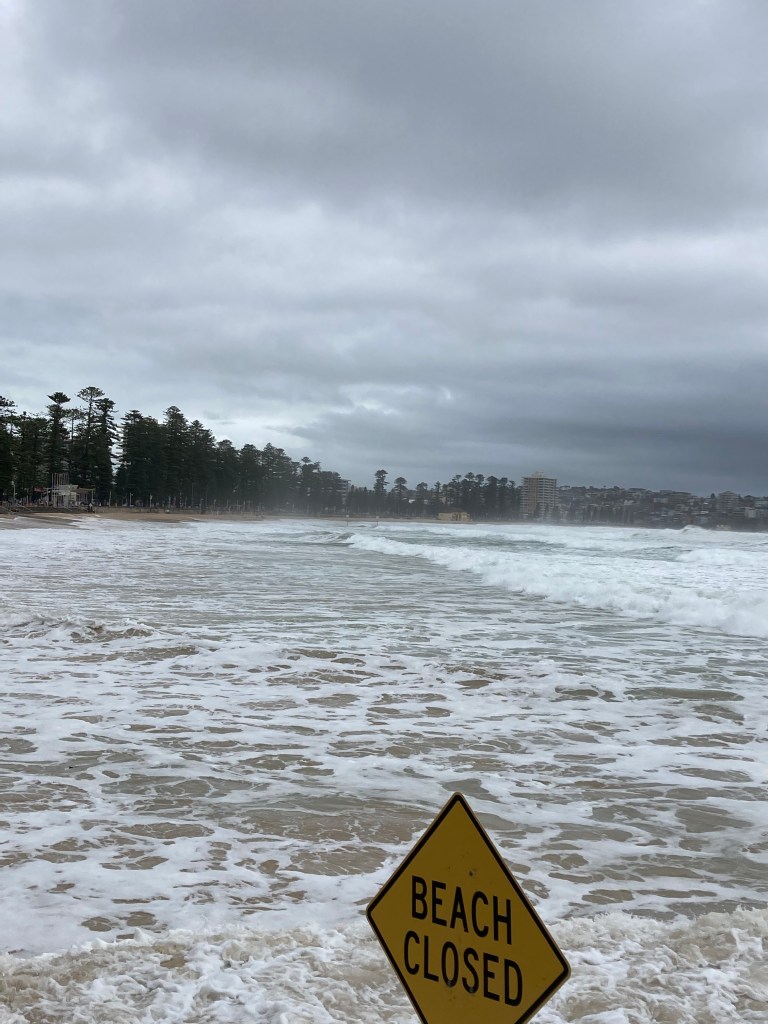
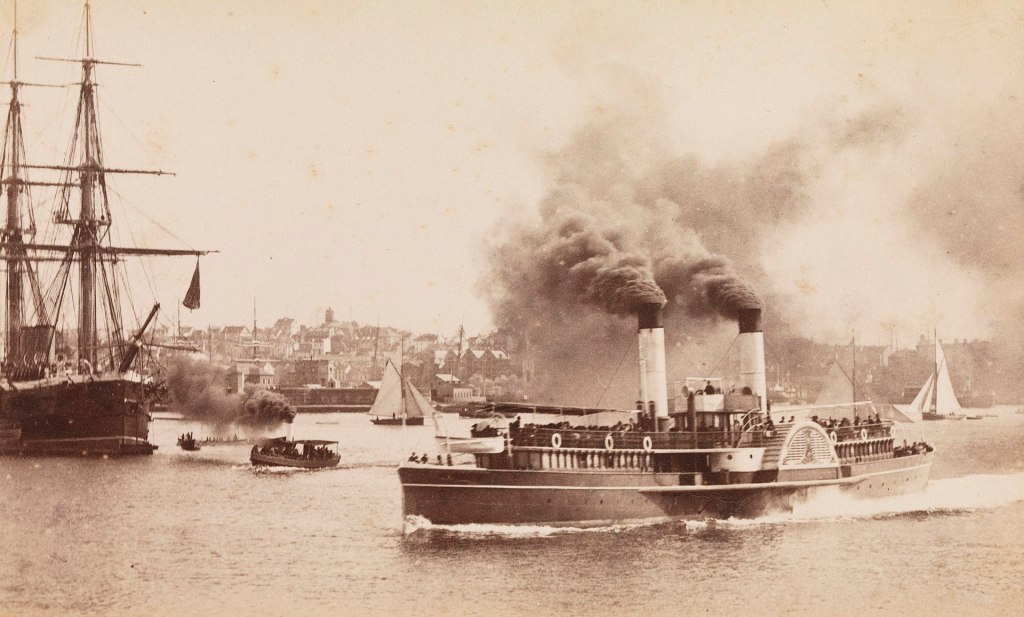
Only in very severe weather will the ferry sailings in and out of Circular Quay be cancelled. They were the other night and may be tonight, as the wind is strengthening and the waves are building up, which make crossing the headland tricky. The older ferries leaving Manly Wharf have to turn around and the strong headwind doesn’t make this manoeuvre easier.
Brighton (1883-1916), the largest and last paddle steamer ferry on Sydney Harbour
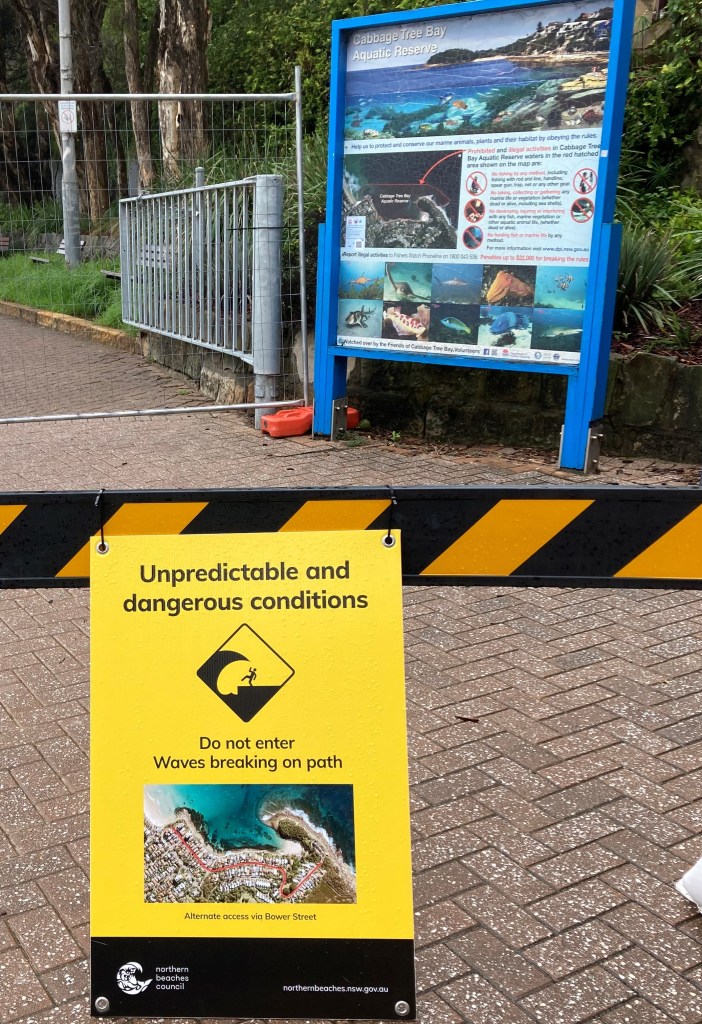
It’s not just capricious weather that keeps the ferries in harbour. Two years ago the city sustained the worst smoke conditions on record; Transport for NSW said they had no idea when normal service would be resumed. Beaches were covered in ash and the water turned black. Smoke detectors were activated by the bushfire haze, causing mayhem (no connection with Mayhem of the Norwegian black metal scene). The water in the bay here is distinctly murky. Swimming is not recommended. The iconic Shelly Beach is closed due to dangerous surf and storm water pollution.
It’s easy to forget events on the other side of the world, where a former stand-up comedian leads his country against a brutal enemy in a senseless and vicious war. Is the tide turning in Ukraine? One can only hope; if President Zelensky is captured he may never be seen again. If it drags on who is capable of brokering a ceasefire? Xi Jinping?
































































 Another Down Under diary