You could be forgiven if you thought this post was about horse racing and betting, hence the title, but it’s not. It does make you wonder though if bookies would carry a bag full of money out of the racecourse these days. Unlikely.
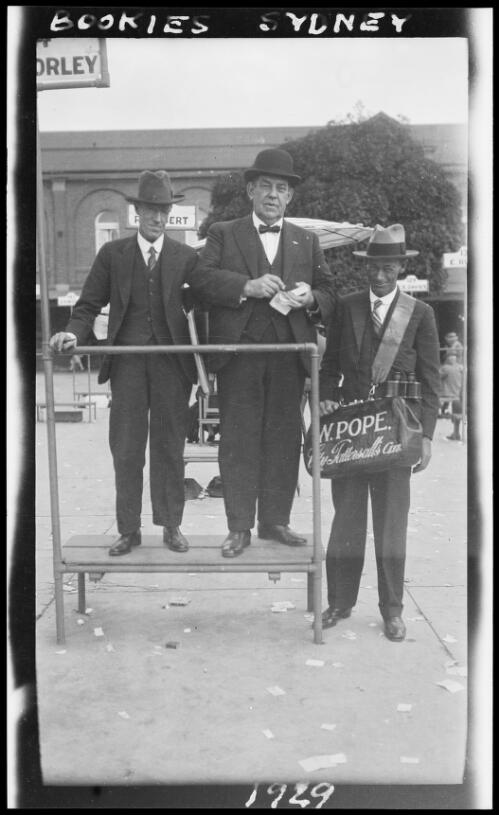
Nor is it about Hedgewars, a turn based strategy, action and comedy game, featuring the antics of pink hedgehogs as they battle from the depths of hell to the depths of space. This is the funniest and most addictive game you’ll ever play (so say Apple). If you understand that then you are obviously a devotee of computer games. Why the toadstools? Apparently the hedgehogs nibble them!
This is about a much more prosaic subject, mundane even, i.e. hedges. Well, not to some people. A few years ago in a peaceful corner of rural England, in an area where detached houses with manicured lawns nestled under gentle hills, war was being waged. A resident, who had lived in the same road for seventy years, was accused in court of attempted murder of….wait for it….his neighbour’s leylandii hedge, by urinating on it. The culprit was sentenced to one day’s custody.
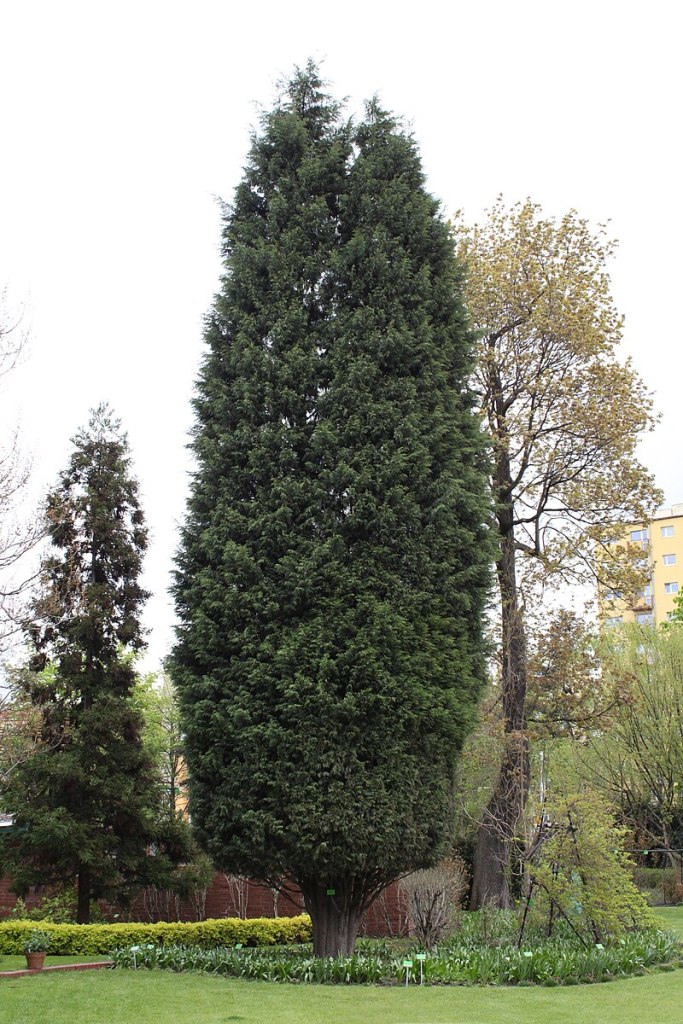
It had to be Cupressus × leylandii; no other hedge seems to cause so many disputes between neighbours. It is capable of growing more than one metre per year and is excellent as a screen. The other side of the coin is that it grows too tall and causes problems for the neighbours. It can reach 40 metres (130ft) or more. Some years ago a gardener in the UK shot dead his neighbour after an argument over a conifer hedge that divided their properties.
Here we have the chicken and egg conundrum; which came first? The hedges or the properties behind them, which are deprived of light?

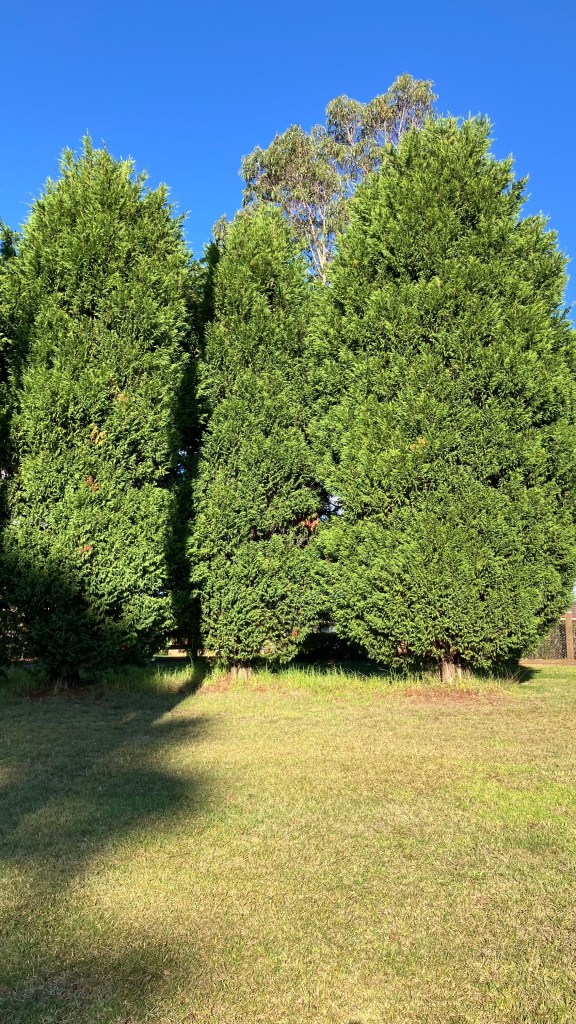
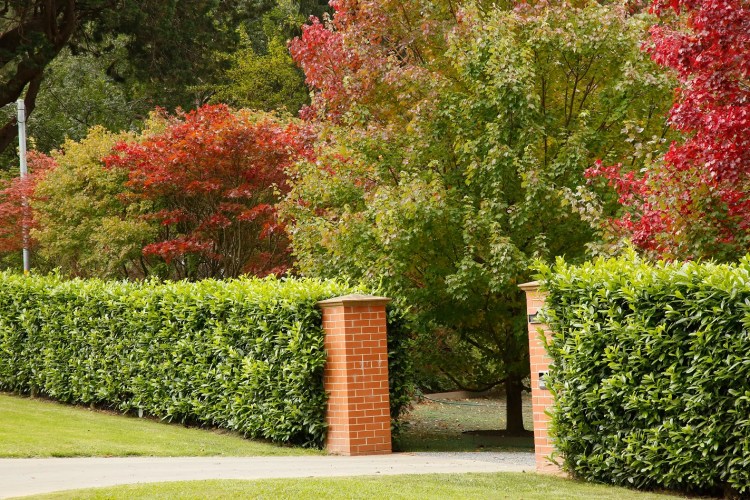
This harms no-one as it gives the owner privacy and is next to a path and road.

There are countless examples of good husbandry where owners take pride in their hedges and keep them at a sensible height. Three examples near us:

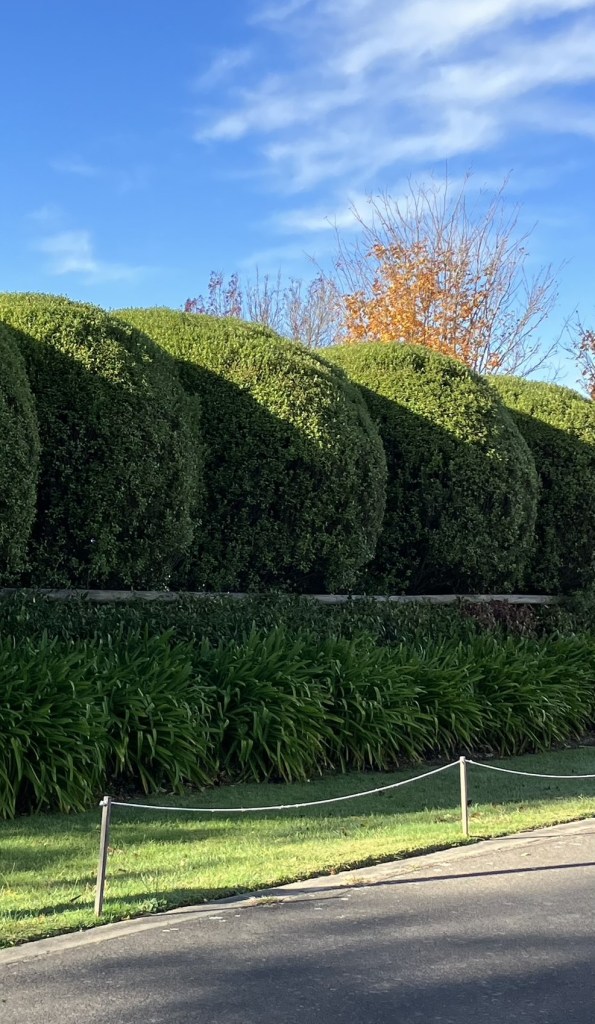
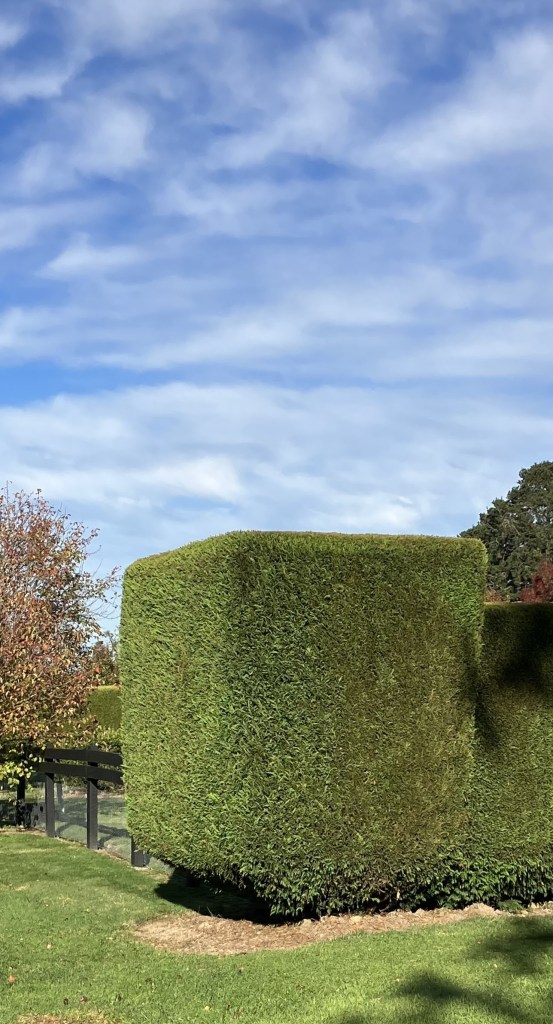
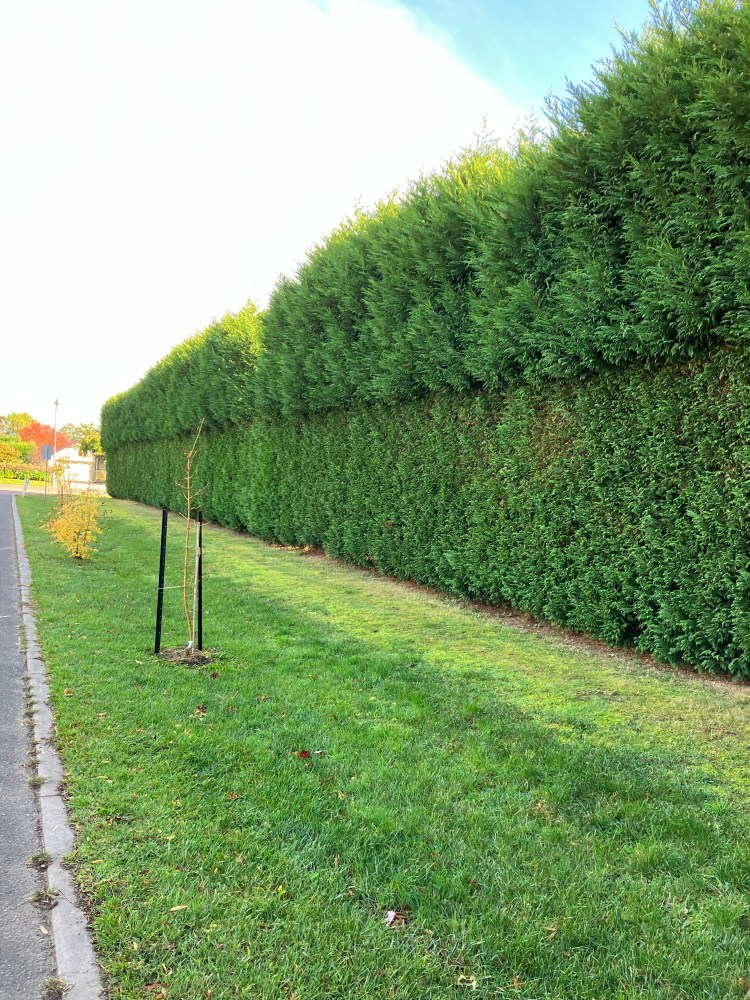
Perhaps the owner was having a break!
So, how did we get to this point? How and when did this controversial plant arrive Down Under? The nearest date I can find is 1990 when it was presumably imported by a garden centre. As to its origin I can do no better than quote from an article by Nick Turrell in The Guardian of Sat 8 Dec 2012.
‘In 1888 something very rare happened on a country estate in Wales: a plant genus was born. Ever since, it has been nothing but trouble. It has caused civil unrest, violence and even murder in its march across the country. Until recently it was the bestselling plant in every garden centre in Britain. As with rats, wherever you are, you’re never far from a Leyland cypress.
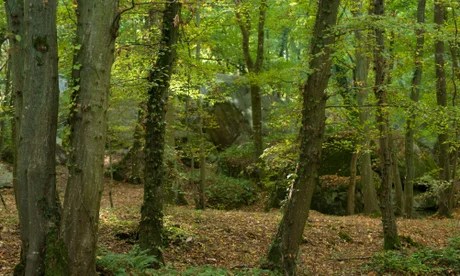
Its full name is x Cuprocyparis leylandii, which translates as the “tree most likely to annoy your neighbours”. It was discovered on the 4,000-acre Leighton Hall estate, near Powys, after two cypress trees – which in nature grow nowhere near one another – cross-fertilised and produced six seedlings. The new tree has become so infamous that it’s known by only one name. Leylandii’s success is especially impressive when you consider that it can’t reproduce, which means that every plant we see today comes from cuttings and has been planted by humans.’

This was the hit movie for children in 2006, an animated comedy starring Bruce Willis, which subtly portrays the contrast between the pastoral existence of animals and the frenetic lives of the film’s human characters. That year Michael Duffy of the Sydney Morning Herald wrote an article entitled ‘The green walls of suburban misery’. One of the points he made was that bigger houses are being built on smaller blocks and householders have resorted to leylandii to give them privacy from their neighbours. The other side of the coin is that they might block the light, and view, of nearby residents. It’s not all doom and gloom though. By chance I hit upon:

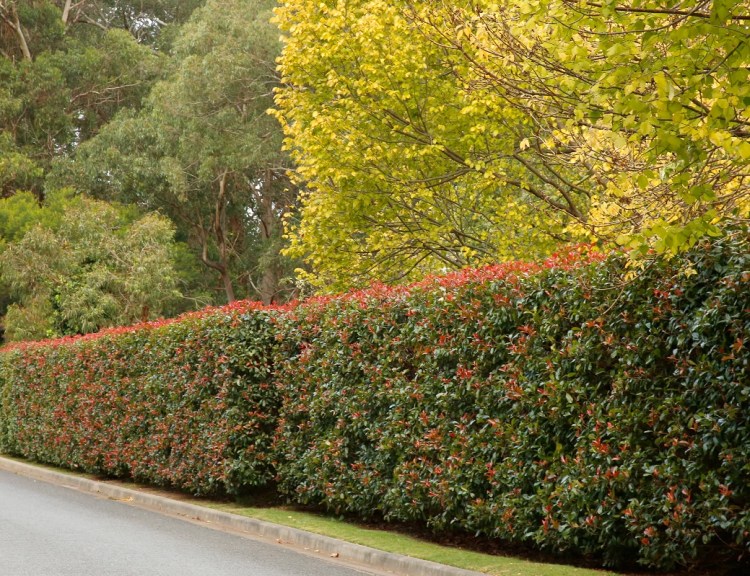
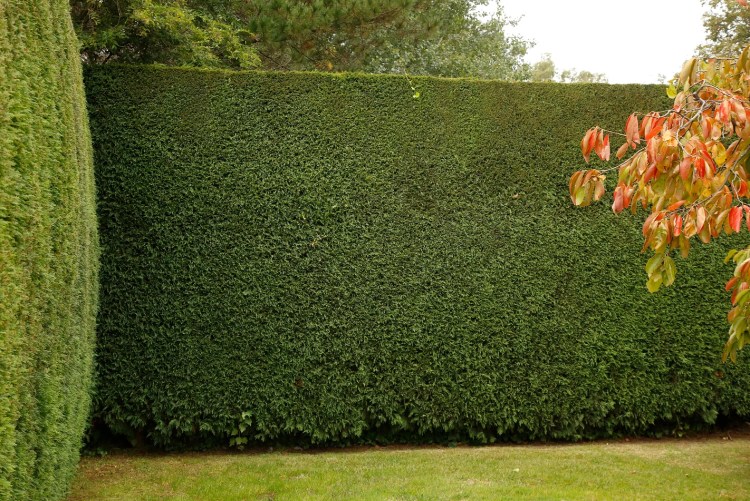
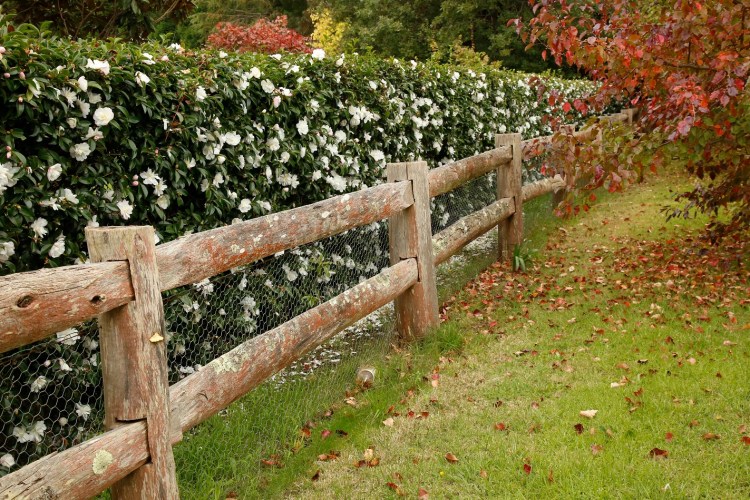
This user friendly website, founded by Brian and Kaylene, www.aussiegardener.com.au echoes the previous paragraph: ‘With yards getting smaller and privacy getting harder, hedges have become an essential part of Aussie Backyards, but they are also a beautiful architectural feature when done well.’ Brian has kindly given permission to reproduce some of their pictures of what hedges can really look like.
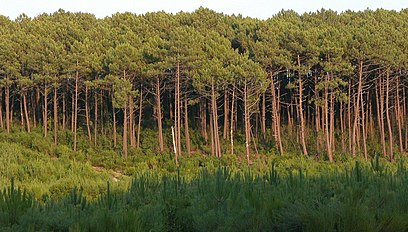
In the unlikely event that you have been following this blog since its inception in 2020 you will know that Madame and I lived in Nouvelle-Aquitaine in SW France. With almost 3 million hectares of forest, this area is the most wooded in France. Mercifully Leylandii wasn’t in evidence. It is often said that the French are not interested in a product unless they have produced it themselves. In this case that was a blessing. If you have driven through this region you would have passed through The Landes, the largest man-made woodland in Western Europe. Maritime pines were planted on what was swamp land. What would it have been like if leylandii had been available?
Many of you will have driven the length of Western France and seen the poplars lining the roads as windbreaks. Near our house was a young plantation. Traditionally trees were planted by the landowner when a daughter was born and were intended as part of her dowry on marriage. Poplars grow quickly and the idea was that they would be mature and ready to fell just when the daughter got married, and the proceeds from the sale of the wood could fund the wedding festivities. On that note………..

……….Au revoir