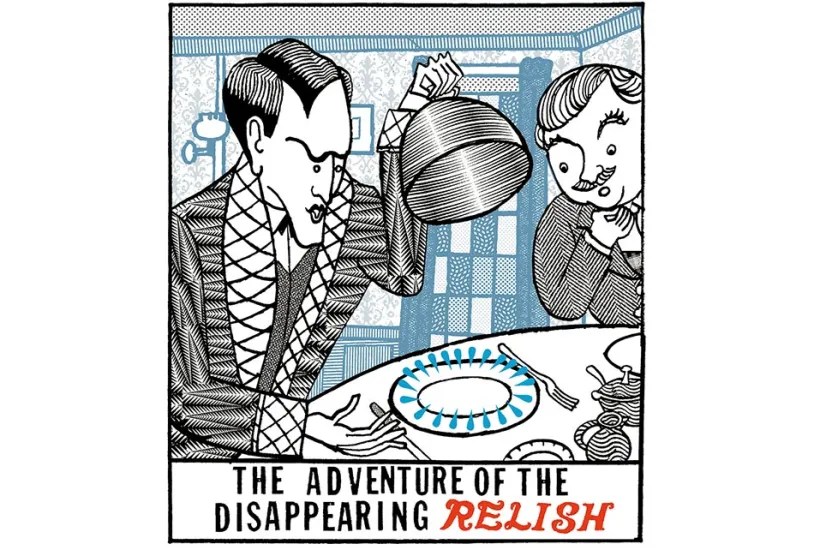
An intriguing article caught my eye last month in The Spectator, the weekly British political and cultural news magazine first published in July 1828. It has the distinction of being the oldest surviving magazine in the world and was the first ever to publish 10,000 issues.
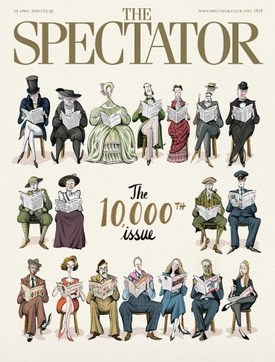
The author of this humorous article with its curious title was Olivia Potts, former criminal barrister now eminent pâtissière. (Francophiles will understand). So, what is it about? John Broadley’s captivating illustration doesn’t give much away. Who actually uses the word relish today? If you were told that Nigella Lawson listed this as one of the ten British foods she couldn’t survive without would you be any the wiser? Or that it has been available in the House of Lords dining rooms? Probably not. What is the gentleman on the left holding up? Presumably a cover for what should have been on the plate, but isn’t.
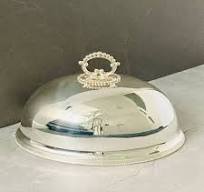
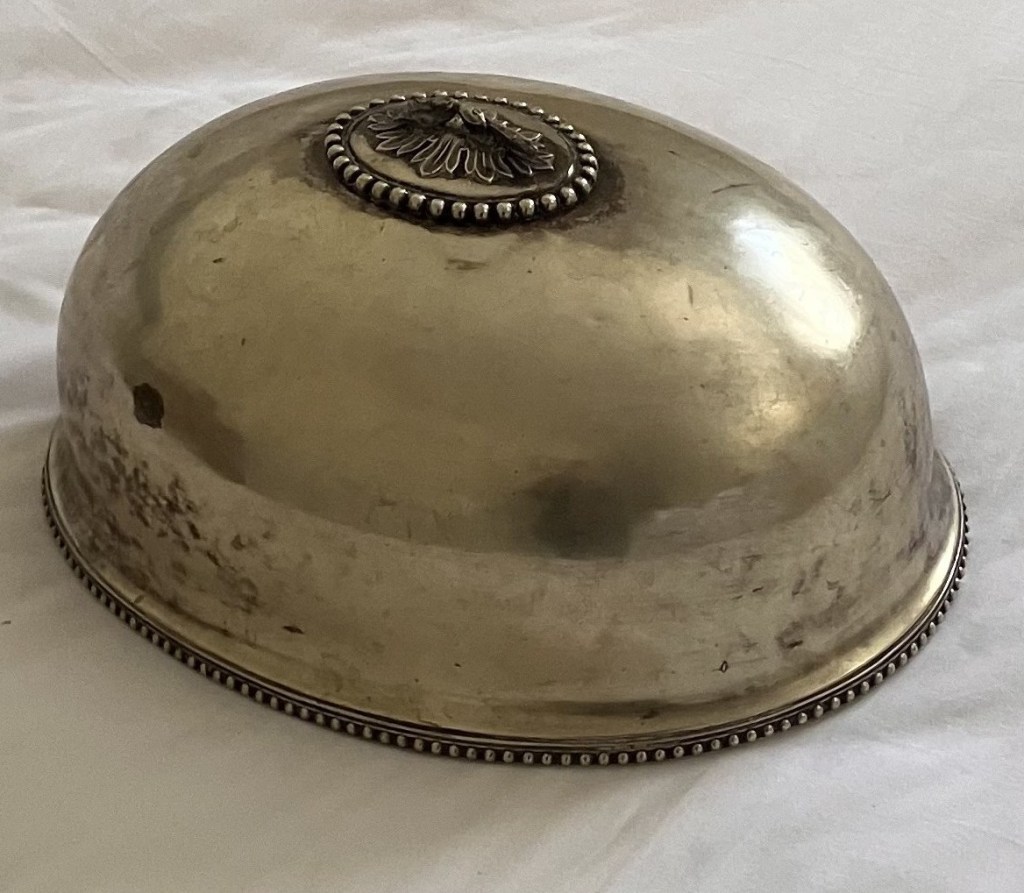
This valuable 1800s silver cloche is similar to the battered, plated, not valuable likeness we inherited from Madame‘s parents and which is trotted out for the occasional Sunday roast. It keeps the meat warm, in case you hadn’t realised. Today, when TV ads give you the impression that younger generations only eat junk food with their fingers, you are unlikely to encounter one unless you’re dining in a smart restaurant.
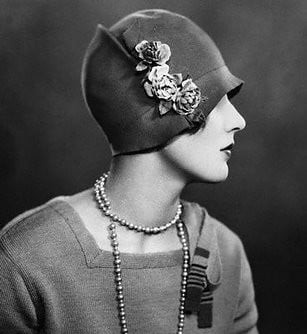
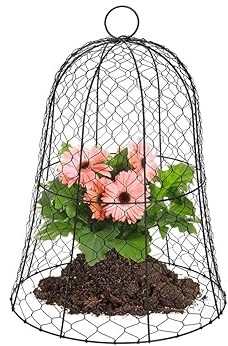
The cloche, derived from cloche, the French word for ‘bell’, is also a fitted, bell-shaped hat for women that was especially popular in the 1920s and 1930s. If you are a gardener you will be more familiar with the one that protects plants.
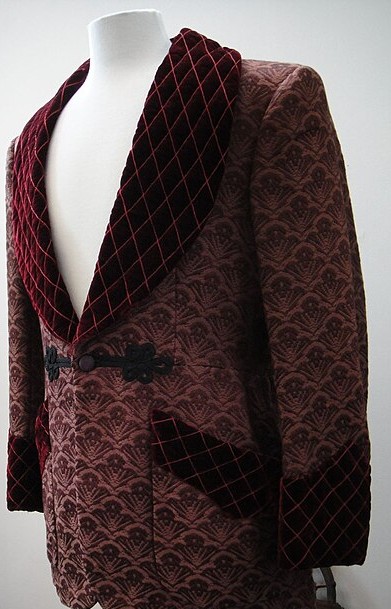
This is taking us no nearer to what should have been under that cloche. The gentlemen’s outmoded smoking jackets give us no clue, except that the wearers were high up the social ladder and would have appreciated that singular relish.
AI will tell you, somewhat primly, that relish, as a noun, is a condiment, what else? It continues – ‘a condiment is a substance such as a sauce, relish or spice to add a specific flavour to food. Common examples include ketchup, mustard’ and so on. If you think we are going round in circles you would be right. Our worthy gentlemen would be horrified at the thought of their relish being a condiment, and as for ‘ketchup’…………..anyway, time to move on and save you more suspense. This is what should have been under that cloche.
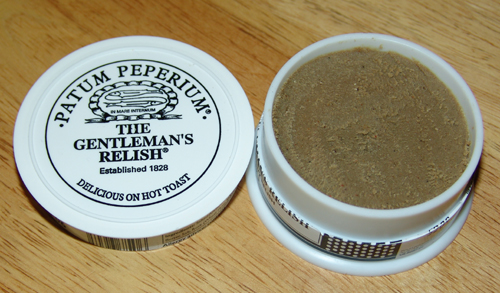
Gentleman’s Relish, officially Patum Peperium (a mock-Latin phrase) was a British brand of anchovy paste made to a secret recipe, created in 1828 by John Osborn. It was based on salted anchovies and butter, flavoured with herbs and spices. Olivia Potts was first to break the news that AB World Foods, the current owners, were ceasing production on the eve of the 200th anniversary of it gracing our dinner tables. Quote – ‘For the Spectator, itself approaching its 200th anniversary, this was a loss that could scarcely be borne’. We await news that this reputable magazine can now find another producer.
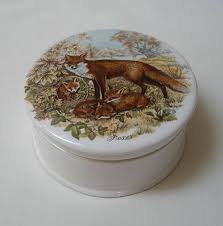
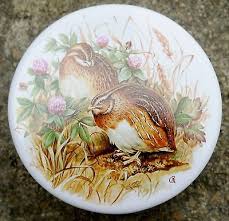
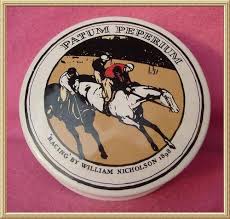
For generations, Gentleman’s Relish was akin to a ritual. Spread sparingly on hot toast it became synonymous with a certain type of upper-class Englishness. A comment in The Times sums it up neatly; ‘Society’s global descent into bland mediocrity continues. RIP’. (Courtesy John Tottenham). While we’re discussing declining standards do you know who this gentleman is? Probably not.

Doctor Oliver was the inventor of the Bath Oliver biscuit. It was known for being a hard-baked cracker ideal for cheese, probably Stilton. Like Patum Peperium it became a cultural icon. The biscuits were often associated with British nostalgia, appearing in literature, the tins supposedly used to hide the Crown Jewels during WWII. Even the influence of the Bath Oliver Society has not saved it.
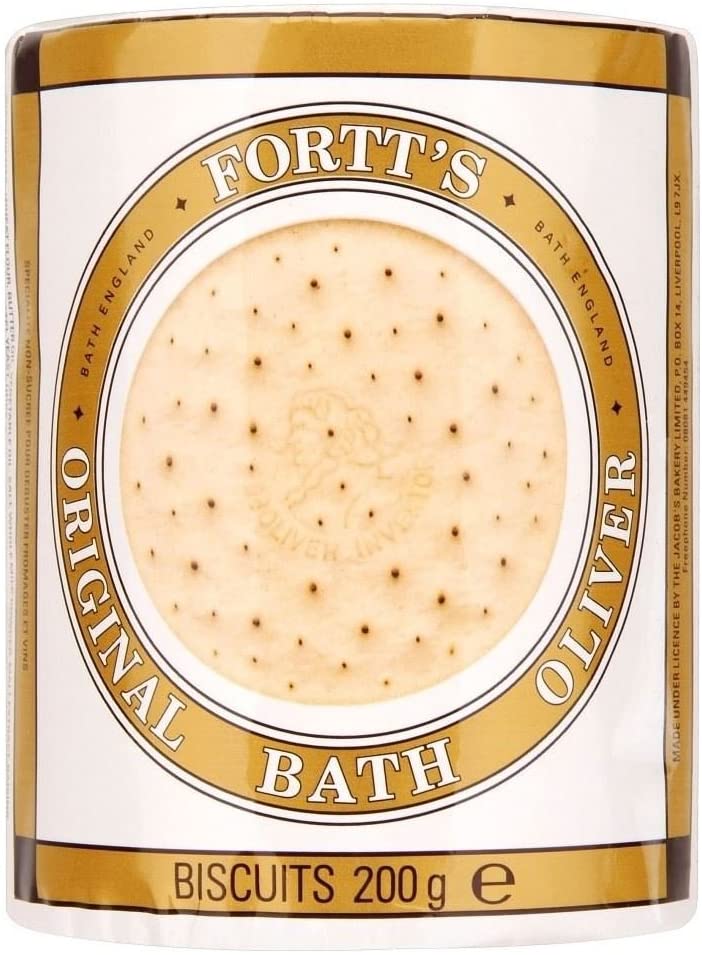
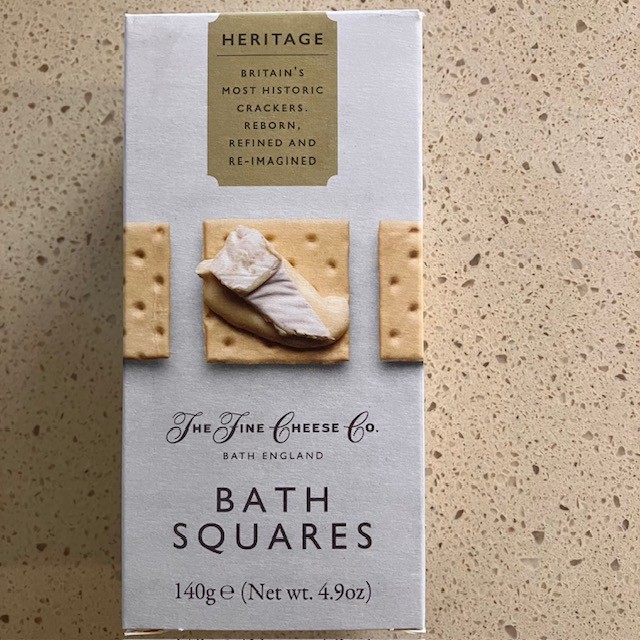
All is not lost however. The Fine Cheese Company in Bath have refined the original biscuit as Bath Squares, ‘crisp, unsweetened and made with the finest British butter’. To seduce you further the company proclaims that ‘they are sublime carriers for cheese’. The author would agree with them.
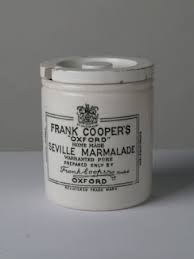
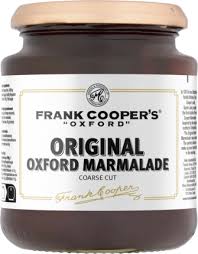
While we’re indulging in nostalgia have you encountered Frank Cooper’s marmalade, another favourite on the British breakfast table? The first batch was ostensibly invented and cooked by his wife, Sarah-Jane, in their family kitchen in 1874, using leftover Seville oranges from her husband’s grocer’s shop in Oxford. Frank’s is still going strong.
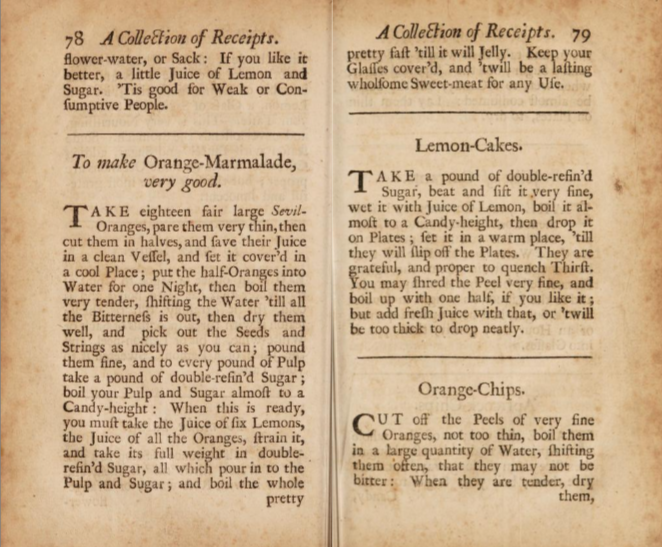
An English recipe book, written by Eliza Cholmondeley and dated from 1677, has one of the earliest marmalade recipes (“Marmelet of Oranges”) but this produced a firm, thick dark paste. It was the Scots who claim the credit for making marmalade a breakfast item by adding water to make it less solid.
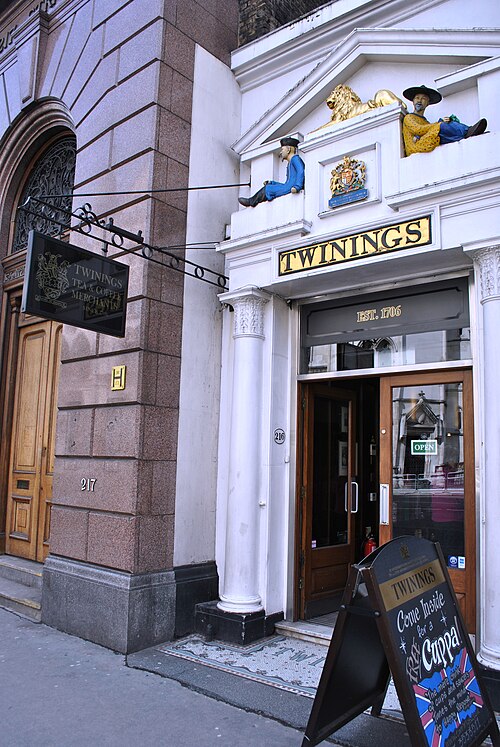
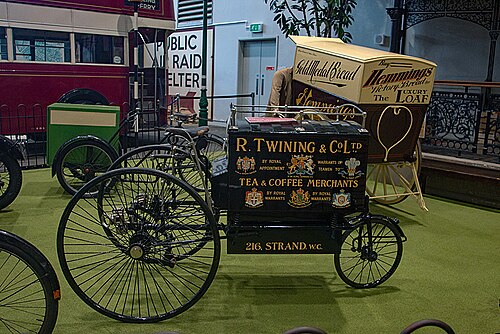
Let’s wind this up with London’s longest-standing ratepayer and another icon. Twinings have occupied the same premises on the Strand since 1706. Holders of a royal warrant, their teas need no introduction, so we’ll let them have the last word (in pictures).
Down Under Diary
freefromlockdown.com


My favourite article yet! Very interesting x
LikeLike
I remember bringing gentleman’s relish and Bath Olivers to Obiloa when returning from England. Madame had a hoard of little well stacked pots in that cupboard, I can picture it now. Beautifully illustrated written piece there and one I hugely enjoyed over my toast and marmalade (home made though and not as good as Coopers) along with Yorkshire Gold.
LikeLike