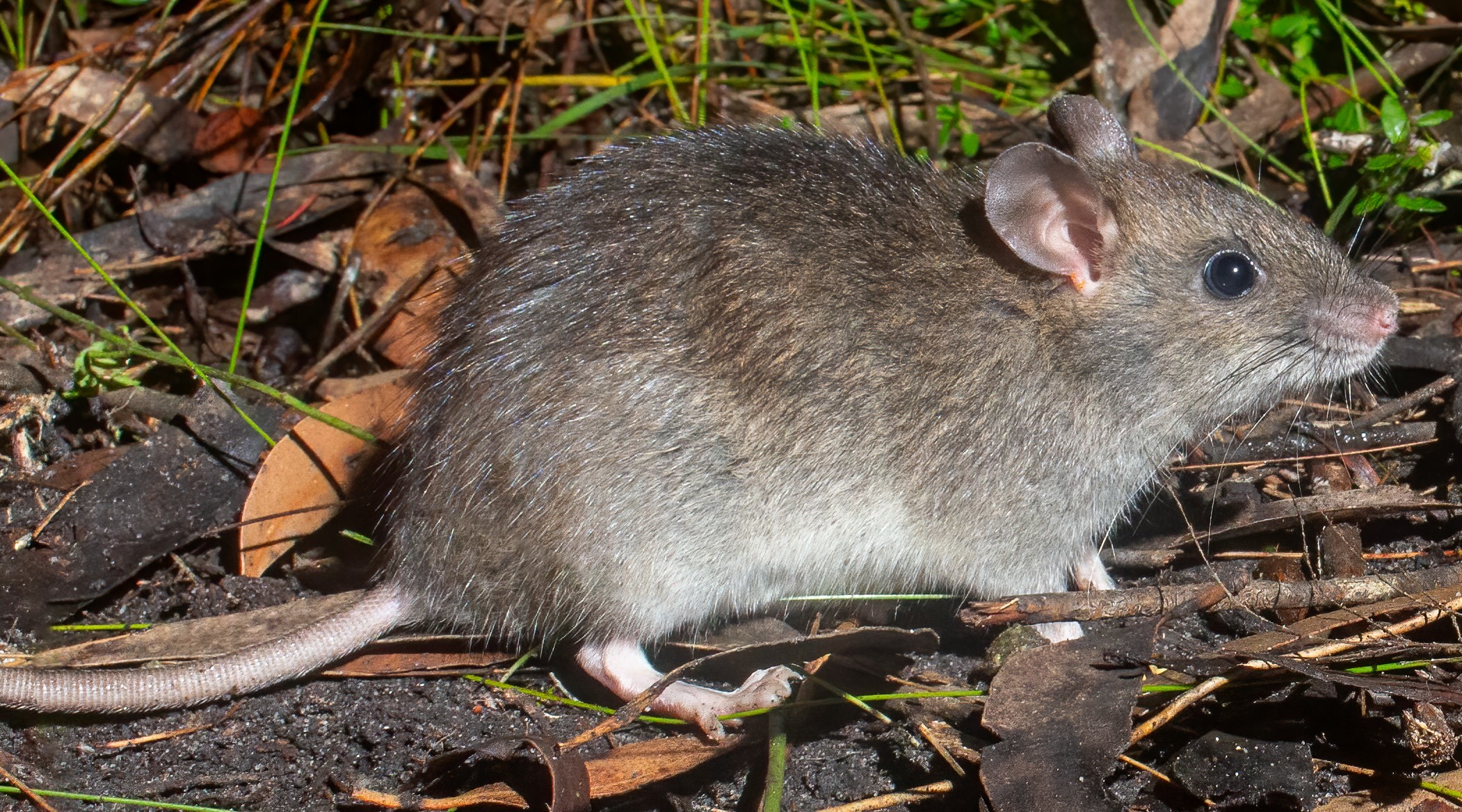
……… or is it? When it comes to reputations, it’s fair to say that rats have a tough time. There are few animals regarded with such contempt by humans, frequently associated with disease and general squalor. Our neighbour assured us that what appeared in our garden was a bush rat and protected under wildlife legislation. Put away the poison. Twenty-four were reintroduced into an urban nature reserve in Sydney earlier this year. They could benefit plants, native predators and help push out invasive black rats, say the conservation ecologists. But, would you keep one as a pet? Beatrix Potter did and called it Sammy.

She was allegedly very fond of her pet pink-eyed rat, probably bought from the famous Jack Black, Queen Victoria’s official rat catcher. This flamboyant character wore a self-made ‘uniform’ of green overcoat, scarlet waistcoat and a leather sash adorned with metal rats.
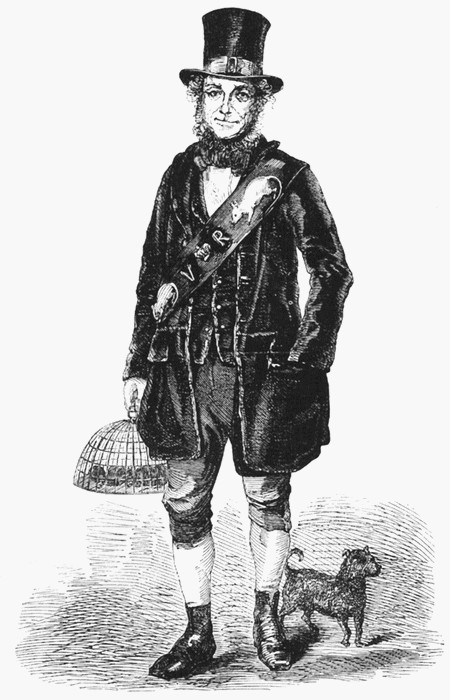
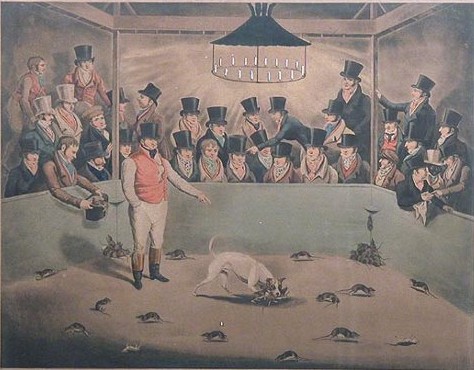
As a sideline he also supplied live rats to pubs for rat-baiting contests, a popular mid-Victorian activity of placing bets on the number of rats a dog could kill.
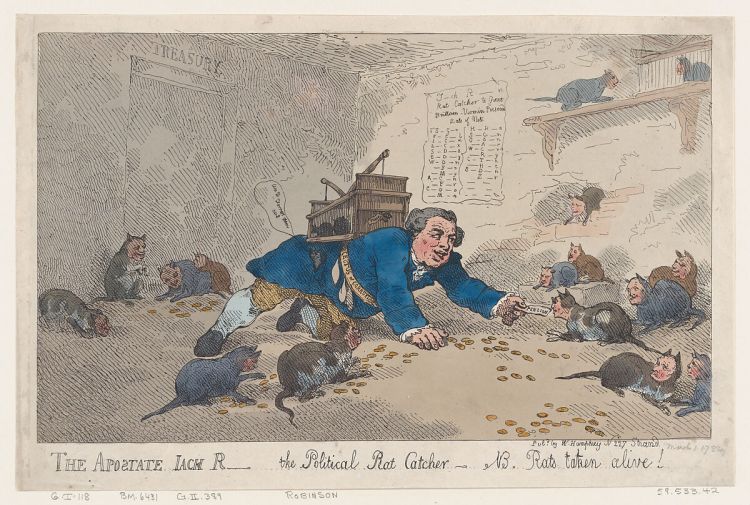
A famous 1784 satirical etching, called the ‘Political Rat Catcher’ by the English artist Thomas Rowlandson, depicts a former treasury secretary as a rat-catcher, using traps to capture rats that allegorically represent corrupt politicians and members of Parliament. The print mocks the political patronage and back-room maneuvering Britain was notorious for in the 18th century.
Do you suffer from Musophobia, the phobia that involves irrational fear of mice and rats? It is common and can cause significant anxiety. It’s said that the fear started because rats were linked to the terrible sickness of the Great Plague. (Note the rat left corner).

Those wealthy enough to leave London did so. King and parliament eventually ended up at Oxford.
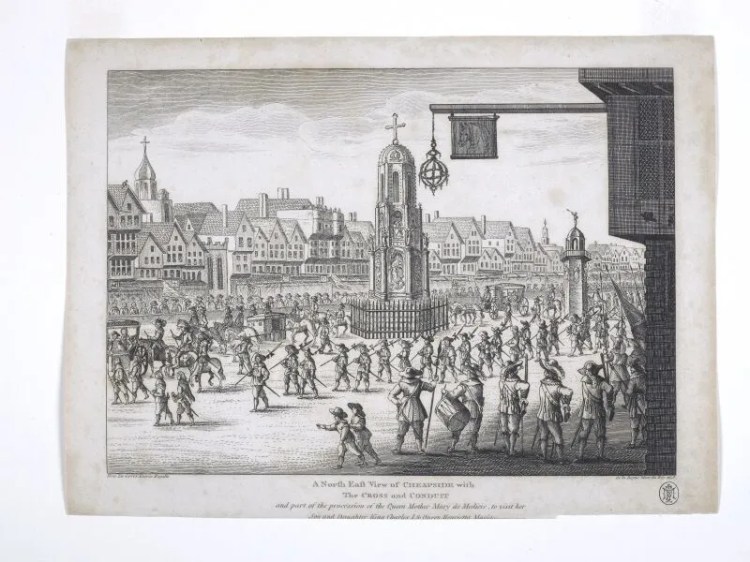
The traditional theory states that the Great Plague of London (1665) was transmitted by fleas on black rats. Modern research challenges this, suggesting that rapid person-to-person transmission via human body lice and human fleas played a far larger role; it was centuries before the blame was questioned.
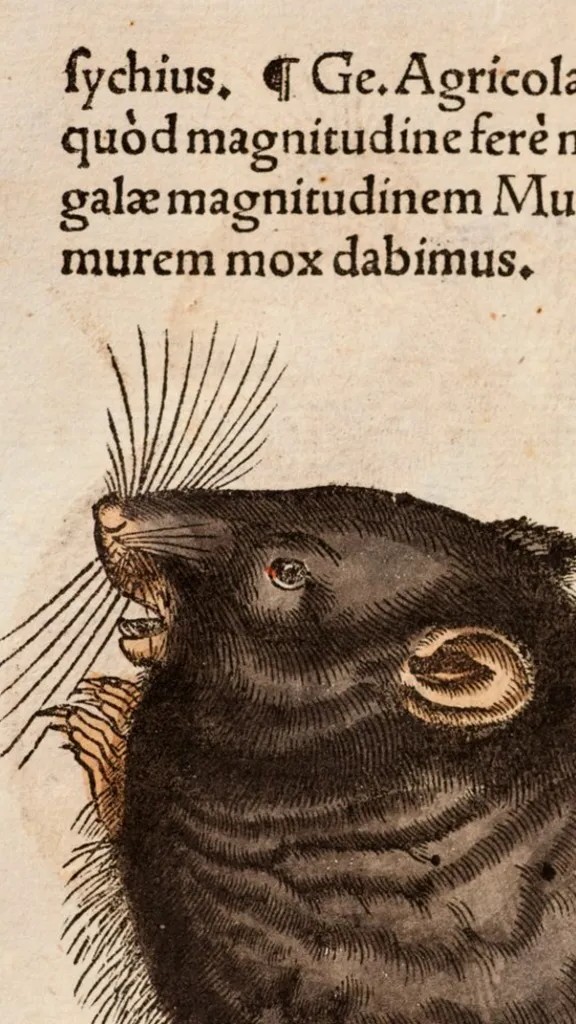
How many of us have said that you are never far from a rat? The rats’ image was not helped by the author W.R. Boelter, who wrote The Rat Problem in 1909. It is considered that this book was the origin of the myth that there is ‘one rat for every human’. He was a passionate rat extermination advocate and argued for systematic, government-backed eradication of rats due to their ‘destructive nature and disease-carrying potential’.

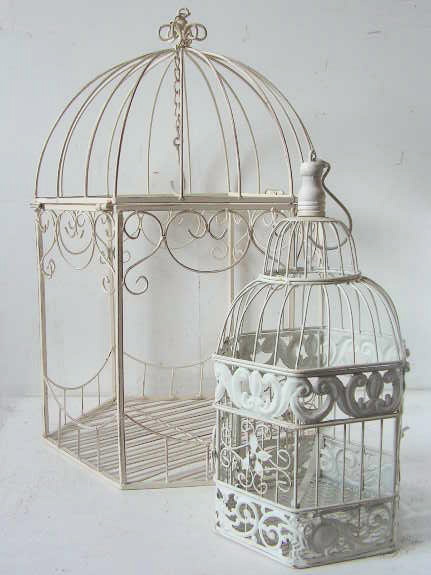
Eventually the tide began to turn. Rat-baiting was banned and white “fancy” rats became fashionable among high-born Victorian ladies and were displayed in ornate cages. Pet rats are highly intelligent, social and affectionate animals; they bond closely with owners and can learn tricks. However, they demand a lot of daily interaction, require a companion of their own kind, and come with a tragically short lifespan of 2 to 3 years.
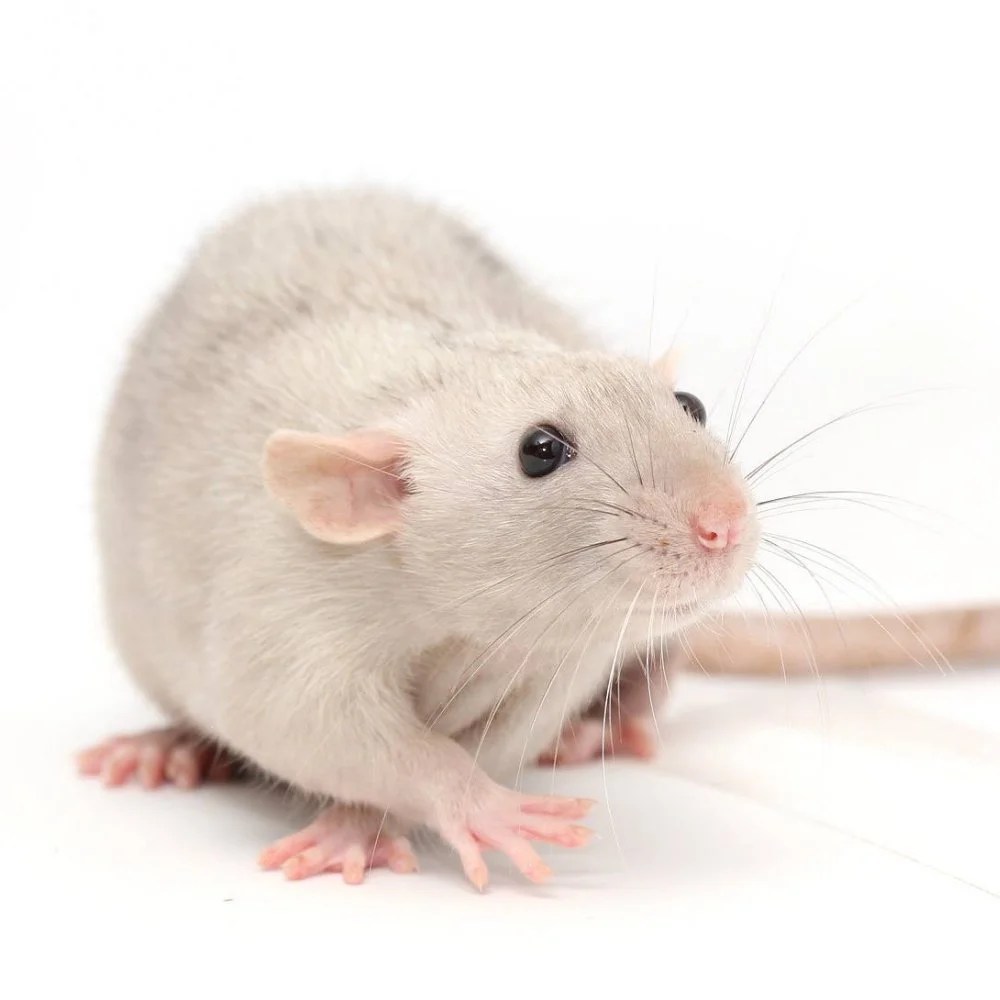
Once the border into the 20th century had been crossed mouse and rat exhibitions began to grow. The National Fancy Rat Society was formed in the UK in 1976 by a group of enthusiasts intent on promoting the rat both as a pet and an exhibition animal. This engaging picture is published with permission of the committee of the NFRS.
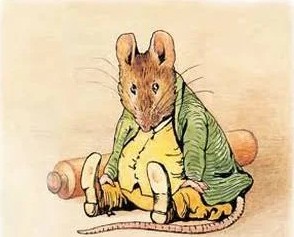
Remember him? The obese, villainous character, Samuel Whiskers, portrayed by Beatrix Potter? It’s surprising that she portrayed him as the knavish fellow she did as she adored her own Sammy.
“The Peculiar Dream of Mr. Samuel Whiskers, upon the subject of Dutch cheese” is a charming, but lesser-known watercolour illustration by Beatrix. Dedicated to her fancy pet rat the whimsical artwork depicts a white rat asleep on bright patterned fabric, with his imaginative dream of Dutch cheese floating above his head.

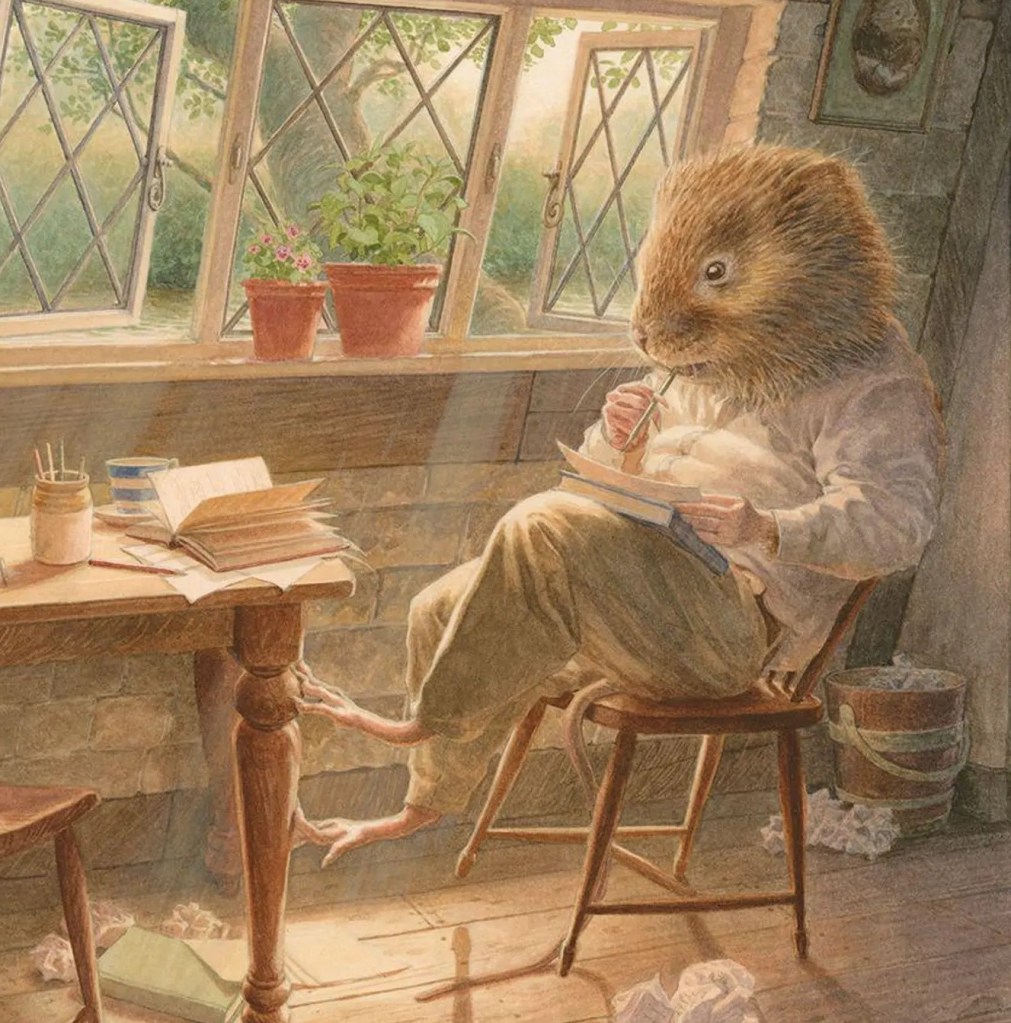
A more loveable creature appeared during this era; Ratty, in Wind in the Willows. The water rat first appears in the opening chapter, taking Mole out for a row on the river and teaching him the ways of the water bank. Together with Badger, they spend much of the novel trying to help their reckless, thrill-seeking friend, Mr. Toad, who has a dangerous obsession with motorcars.
Sorry to spoil the idyll but rats were in the headlines again earlier this year when hantavirus broke out on the cruise ship MV Hondius at Cape Verde. While it can be transmitted to humans through contact with infected rodents experts said there were no rats on board. There are no reports of hantavirus infection in humans in Australia, says the Australian Centre for Disease Control; in fact it is the only inhabited continent with no recorded cases of locally acquired human hantavirus infection.

On that reassuring note we can close this post, but for previous ones please go to
freefromlockdown.com or Down Under Diary (Author Archives)


Once again – fascinating research and writing. Not convinced though on rat loveability, I still remember clearing them, and mice, from French loft whilst covered top to toe in protective gear, including goggles. And as for a friend’s kitchen where dead mice lurked in uncleared traps – now who was that friend? Great blog, love it. Thank you. Jane
LikeLike
Thanks Jane, You’re very faithful!Was it the Obiloua kitchen you were referring to?Sent from my iPhoneOn 20 Jul 2026,
LikeLike